
 EN
EN
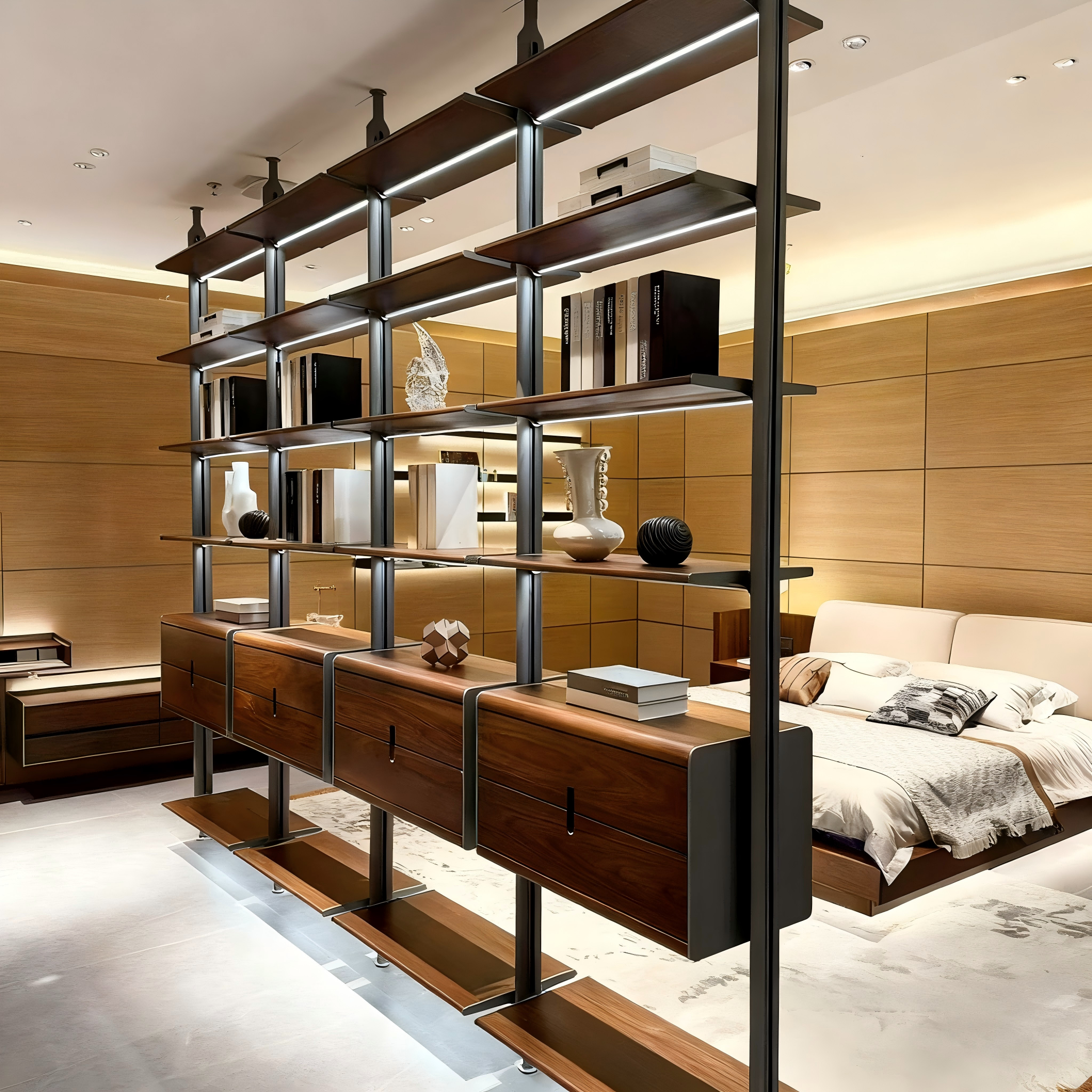
When it comes to premium furniture fittings, aluminum door frames have become the defining structural element for high-end wardrobe and display cabinet projects. Whether you are outfitting a luxury residential space or designing a sophisticated retail showroom, aluminum door frames deliver the combination of strength, precision, and visual refinement that modern design demands. Their growing adoption across commercial and residential interiors reflects a genuine shift in how designers and manufacturers approach cabinet construction quality.
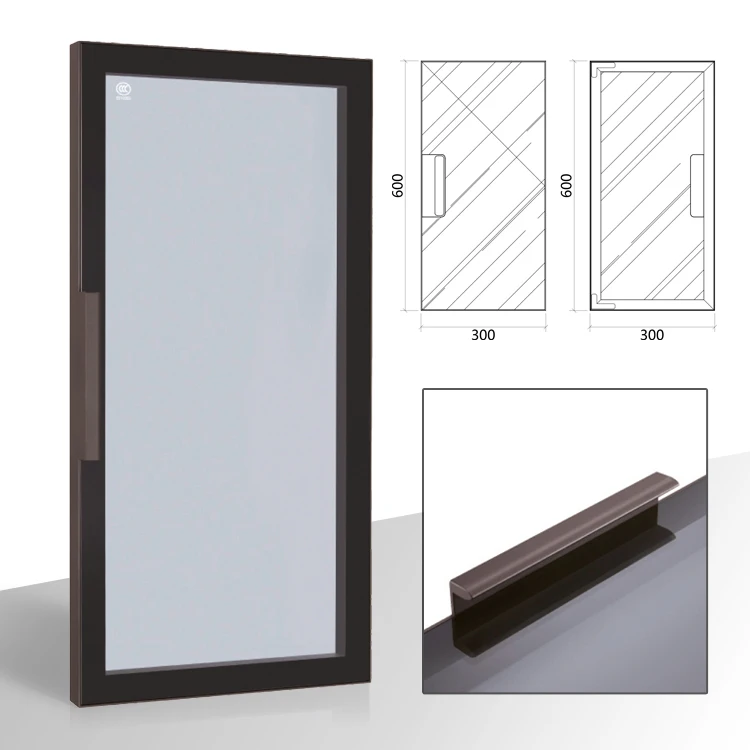
Aluminum door frames are not simply a material choice — they represent a design philosophy centered on longevity, customization, and clean aesthetics. For wardrobe systems and display cabinets, where glass panels, mirrored surfaces, and decorative inserts are frequently used, aluminum door frames provide the ideal holding structure. They allow these premium materials to be showcased beautifully while maintaining dimensional stability over years of daily use. Understanding what makes aluminum door frames the right solution for high-end cabinetry requires a closer look at their construction, surface treatment options, and the real-world value they deliver.
What Defines High-End Aluminum Door Frames
Precision Extrusion and Profile Geometry
High-end aluminum door frames begin with precision extrusion, a manufacturing process that shapes aluminum alloy into consistent, complex profiles. Unlike steel or timber alternatives, aluminum door frames can be produced with tight dimensional tolerances and intricate cross-sectional geometries. This precision is essential for sliding door systems, hinged cabinet doors, and frameless-style wardrobe panels where even a fraction of a millimeter matters. The structural consistency of well-extruded aluminum door frames ensures that glass or panel inserts fit cleanly without rattling, warping, or misalignment over time.
The profile geometry of aluminum door frames also plays a significant role in determining the visual weight and finish quality of the final cabinet. Slim-profile aluminum door frames with narrow visible borders create a minimalist, luxury appearance that thicker materials cannot replicate. This geometric precision is one of the most important reasons why premium furniture manufacturers consistently choose aluminum door frames over competing materials when quality is the primary requirement.
Alloy Grade and Structural Integrity
Not all aluminum door frames are made from the same alloy composition. High-end aluminum door frames are typically produced from 6000-series aluminum alloys, which offer superior strength-to-weight ratios, excellent corrosion resistance, and good workability. These properties allow aluminum door frames to support heavy glass panels without bending or deflecting, which is critical for tall wardrobe doors or wide display cabinet applications. Selecting aluminum door frames made from the appropriate alloy grade is a non-negotiable quality criterion for any serious cabinetry project.
Surface Finishing Options for Aluminum Door Frames
Anodizing for Durability and Depth
Anodized aluminum door frames are among the most popular choices for luxury cabinetry because anodizing creates a hard, integrated oxide layer directly on the aluminum surface. This process enhances corrosion resistance, scratch resistance, and color stability without adding measurable thickness to the profile. Anodized aluminum door frames are available in a range of tones including silver, champagne, black, and bronze, making them highly adaptable to different interior design palettes. Unlike paint or powder coatings applied on top of the surface, anodized aluminum door frames retain their finish integrity even after prolonged exposure to humidity and cleaning agents, making them especially well-suited for bathroom wardrobes and kitchen display cabinets.
Powder Coating for Custom Color Matching
Powder-coated aluminum door frames offer the greatest flexibility for custom color specification. The powder coating process applies a dry polymer finish electrostatically and then cures it under heat, resulting in aluminum door frames with a smooth, uniform surface that resists chipping and fading. This option is particularly valuable for designers who need aluminum door frames to match specific RAL color codes or proprietary brand color standards. Powder-coated aluminum door frames can also be finished with matte, satin, or gloss textures, providing additional control over the tactile and visual experience of the finished cabinet. For high-specification interior projects, powder-coated aluminum door frames allow a level of customization that painted wood or plastic frames simply cannot achieve.
Applications of Aluminum Door Frames in Wardrobe and Display Cabinets
Wardrobe Systems and Walk-In Closets
In wardrobe systems, aluminum door frames are used to construct sliding door panels, hinged door fronts, and internal divider structures. Their lightweight nature means that aluminum door frames do not add excessive load to sliding track hardware, allowing doors to operate smoothly even at large panel sizes. For walk-in closets with full-height glass panel doors, aluminum door frames provide the necessary rigidity to keep panels plumb and stable over years of regular use. The clean sightlines created by slim aluminum door frames also allow the interior organization of the wardrobe to remain visible and visually appealing, which is a significant aesthetic priority in luxury residential design.
Display Cabinets and Retail Showcases
Display cabinets in retail, hospitality, and residential settings rely on aluminum door frames to hold glass panels securely while maintaining an unobstructed view of the contents inside. Aluminum door frames in display cabinet applications are often specified with minimal profile widths to maximize glass visibility and create a gallery-like presentation quality. The corrosion resistance of aluminum door frames makes them suitable for refrigerated display cases, jewelry showcases, and wine cabinet doors where moisture or temperature variation could degrade less durable frame materials. In high-end retail environments, the consistent finish quality of premium aluminum door frames contributes directly to brand perception and customer experience.
FAQ
What thickness of aluminum door frames is recommended for glass wardrobe doors?
For glass wardrobe doors, aluminum door frames with a wall thickness of 1.2mm to 2.0mm are typically recommended depending on panel size and glass weight. Heavier glass panels used in large wardrobe doors require aluminum door frames with thicker walls and wider base channels to maintain structural stability. Consulting with a profile manufacturer about the specific glass weight and door dimensions will help determine the most appropriate aluminum door frames specification for your application.
Can aluminum door frames be cut and assembled on-site?
Yes, aluminum door frames can be cut to precise lengths using standard aluminum cutting saws and assembled using corner connectors or miter joints. Most high-quality aluminum door frames are designed with internal channels that accommodate concealed fasteners, making on-site assembly clean and professional. It is important to use sharp blades and proper cutting angles to avoid burrs or deformation that could affect how the aluminum door frames seat around glass or panel inserts.
How do I maintain the finish on powder-coated aluminum door frames?
Powder-coated aluminum door frames are low-maintenance by design. Regular cleaning with a mild soap solution and a soft cloth is sufficient to keep the surface of aluminum door frames looking clean and fresh. Avoid abrasive cleaners or scouring pads, as these can scratch the powder coat surface. With routine care, powder-coated aluminum door frames will maintain their finish quality for many years without requiring refinishing or replacement.