 EN
EN
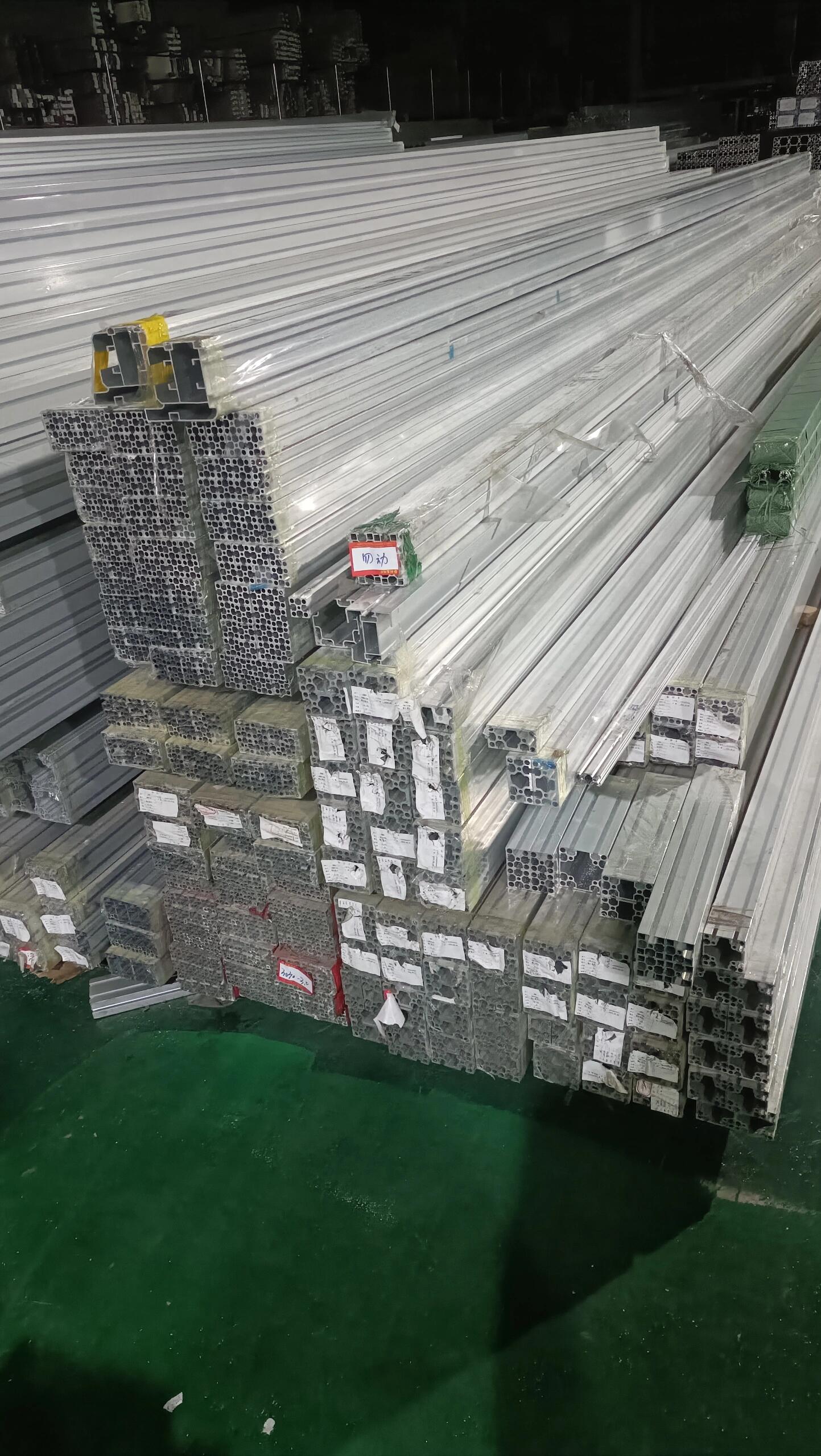
Extruded aluminum shapes form the backbone of modern industrial manufacturing, enabling engineers and designers to create lightweight, durable solutions across countless applications. From automotive components to architectural frameworks, extruded aluminum shapes offer exceptional versatility, cost efficiency, and design flexibility. Understanding the range of available options helps you make informed decisions that align with your project requirements, budget constraints, and performance specifications.
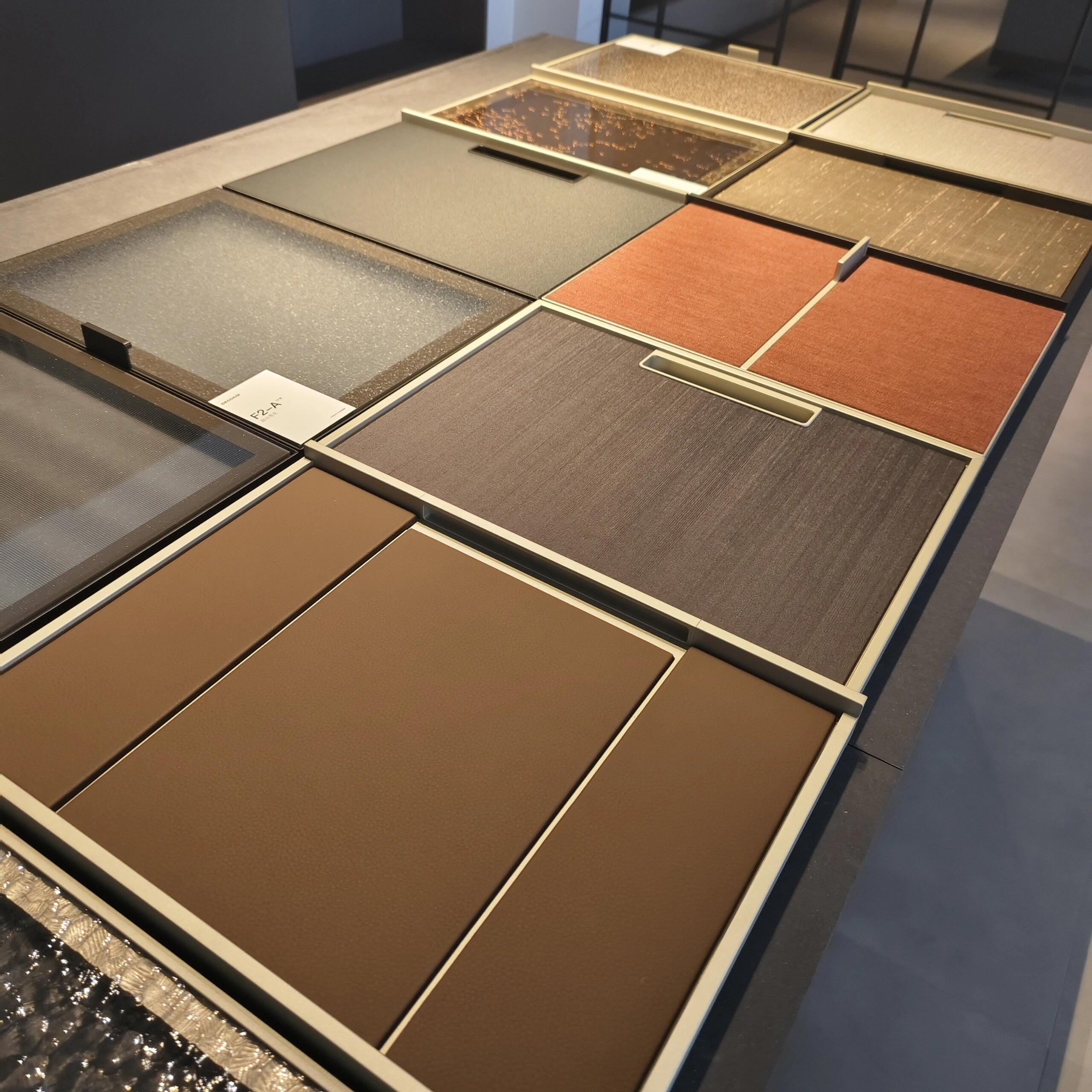
The world of extruded aluminum shapes extends far beyond simple tubes and bars. Manufacturers produce specialized extruded aluminum shapes designed for specific industries, including hollow sections for structural frameworks, complex geometric profiles for machinery components, and custom extrusions tailored to unique engineering demands. Exploring your options requires understanding the fundamental characteristics that distinguish one extrusion from another, including material composition, surface treatments, dimensional precision, and mechanical properties.
Understanding Extruded Aluminum Shapes and Their Core Properties
What Makes Extruded Aluminum Shapes Unique
Extruded aluminum shapes are produced by forcing heated aluminum billets through specially designed dies, creating consistent cross-sectional profiles with exceptional dimensional accuracy. This manufacturing process allows engineers to produce complex extruded aluminum shapes that would be difficult or impossible to achieve through casting, forging, or machining alone. The extrusion process imparts superior strength-to-weight ratios, excellent surface finish capabilities, and the ability to incorporate intricate features into every linear meter of the profile.
Aluminum's inherent properties make extruded aluminum shapes exceptionally valuable across diverse sectors. The metal naturally resists corrosion, requires minimal maintenance, conducts heat and electricity efficiently, and recycles indefinitely without losing structural integrity. When manufacturers produce extruded aluminum shapes using premium alloys, these profiles deliver performance characteristics that rival heavier steel alternatives while maintaining significant weight advantages crucial for automotive, aerospace, and transportation applications.
Material Grades and Alloy Selection in Extruded Aluminum Shapes
Extruded aluminum shapes are manufactured from various alloy systems, each delivering distinct mechanical and physical properties suited to specific applications. The 6000-series alloys represent the most commonly used material for extruded aluminum shapes, offering excellent formability, moderate strength, and superior corrosion resistance. Series 5000 extruded aluminum shapes provide enhanced strength for demanding structural applications, while 7000-series alloys deliver maximum strength for aerospace and high-performance requirements where weight reduction proves critical.
Selecting the appropriate alloy for your extruded aluminum shapes requires balancing strength requirements, corrosion exposure, cost considerations, and manufacturing constraints. T5 and T6 tempers represent standard heat-treated conditions for extruded aluminum shapes, with T6 offering superior hardness and strength compared to T5. Understanding these material nuances helps procurement teams specify extruded aluminum shapes that provide optimal performance without unnecessary expense or over-engineering.
Types and Configurations of Extruded Aluminum Shapes
Structural and Architectural Extruded Aluminum Shapes
Architectural applications demand extruded aluminum shapes with precise dimensions, excellent surface finish, and aesthetic appeal. Building facades, window framing systems, door assemblies, and curtain walls rely on specialized extruded aluminum shapes engineered for both structural integrity and visual impact. These extruded aluminum shapes often incorporate channels for gaskets, drainage pathways, and integrated components that simplify installation while reducing assembly costs and on-site welding requirements.
Designers selecting extruded aluminum shapes for architectural projects benefit from virtually unlimited customization possibilities. Whether specifying hollow rectangular tubes for structural columns, I-beams for load-bearing frames, or T-sections for modular assembly systems, engineers can develop extruded aluminum shapes that precisely match design specifications. Anodized finishes, powder coatings, and mill finishes provide diverse aesthetic options while maintaining the corrosion resistance that makes extruded aluminum shapes ideal for exterior exposure.
Industrial and Mechanical Extruded Aluminum Shapes
Industrial machinery relies extensively on extruded aluminum shapes for conveyor systems, structural supports, framing components, and mechanical assemblies. Manufacturers producing extruded aluminum shapes for industrial applications engineer profiles with specific strength characteristics, dimensional tolerances, and surface properties required for precise mechanical function. The extruded aluminum shapes produced for machinery components often incorporate mounting holes, internal passages, and specialized geometry that eliminates secondary machining operations.
Automation in manufacturing benefits substantially from extruded aluminum shapes designed for modular assembly systems. T-slot profiles and rail systems constructed from extruded aluminum shapes enable rapid prototyping, flexible reconfiguration, and cost-effective customization of production equipment. These extruded aluminum shapes facilitate quick assembly, simplified maintenance, and straightforward modification as production requirements evolve, making them invaluable for manufacturers pursuing lean manufacturing principles and operational flexibility.
Selecting the Right Extruded Aluminum Shapes for Your Application
Assessing Performance Requirements for Extruded Aluminum Shapes
Specifying appropriate extruded aluminum shapes begins with comprehensive analysis of mechanical requirements, environmental conditions, and functional constraints. Engineers must determine whether extruded aluminum shapes need to support static loads, withstand dynamic stresses, resist corrosive environments, or maintain dimensional stability across temperature variations. Load calculations, stress analysis, and environmental exposure assessments inform decisions about alloy selection, profile geometry, and heat treatment conditions for extruded aluminum shapes.
Dimensional tolerance requirements significantly influence the selection of extruded aluminum shapes and manufacturing processes. Standard extrusions deliver commercial tolerances suitable for general applications, while precision extruded aluminum shapes engineered to tighter specifications serve aerospace, medical device, and precision machinery markets. Understanding tolerance capabilities and cost implications helps procurement teams balance precision requirements with budget constraints when specifying extruded aluminum shapes.
Cost Optimization and Supply Chain Considerations
Cost-effective sourcing of extruded aluminum shapes requires careful evaluation of material costs, production volumes, tooling expenses, and lead times. Large production volumes justify custom tooling for specialized extruded aluminum shapes, while smaller quantities may benefit from standard profiles that minimize setup costs. Procurement professionals must analyze total cost of ownership, considering not just raw material expenses but also machining, finishing, waste reduction, and assembly labor associated with various extruded aluminum shapes.
Supply chain resilience has become increasingly important for manufacturers dependent on extruded aluminum shapes. Evaluating supplier capabilities, production capacity, inventory management practices, and quality assurance systems ensures reliable access to consistent extruded aluminum shapes throughout your production schedule. Establishing relationships with multiple suppliers for critical extruded aluminum shapes reduces dependence on single-source availability and mitigates supply chain disruptions.
FAQ
What surface treatments are available for extruded aluminum shapes?
Extruded aluminum shapes can be finished with anodizing, powder coating, mill finish, liquid paint, or specialized electroplating processes. Anodized extruded aluminum shapes provide enhanced corrosion resistance and aesthetic appeal for architectural applications. Powder-coated extruded aluminum shapes deliver superior durability and color retention for outdoor exposure, while mill-finish extruded aluminum shapes maintain natural aluminum appearance suitable for many industrial applications.
How do tolerance capabilities affect the selection of extruded aluminum shapes?
Standard extruded aluminum shapes typically maintain tolerances of ±0.5mm on dimensions, acceptable for most architectural and general industrial applications. Precision extruded aluminum shapes can achieve tolerances of ±0.2mm or tighter through specialized tooling, secondary machining, and stringent quality control processes. Applications requiring tight tolerance extruded aluminum shapes may incur premium pricing due to enhanced manufacturing complexity and additional inspection requirements.
Can extruded aluminum shapes be recycled or repurposed?
Extruded aluminum shapes maintain full recyclability without degradation of material properties, making them environmentally sustainable choices for manufacturing applications. Recycled aluminum retains the same strength and performance characteristics as virgin material, allowing manufacturers to produce new extruded aluminum shapes from scrap and off-cuts. This recyclability reduces environmental impact while providing economic value recovery opportunities throughout the product lifecycle.