 EN
H01
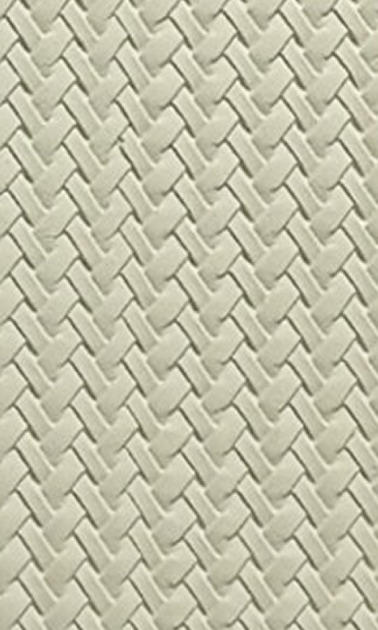
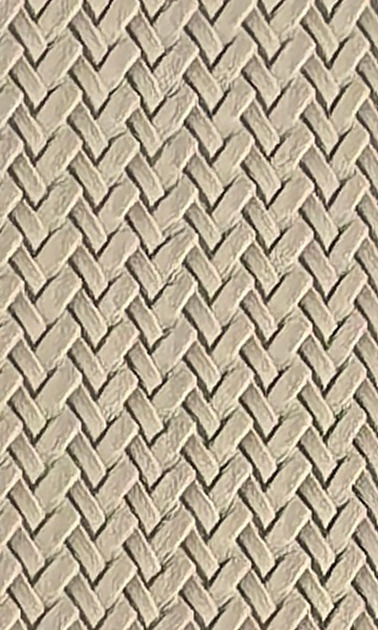
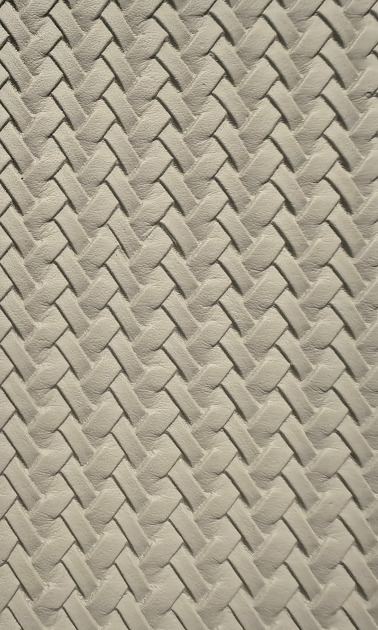
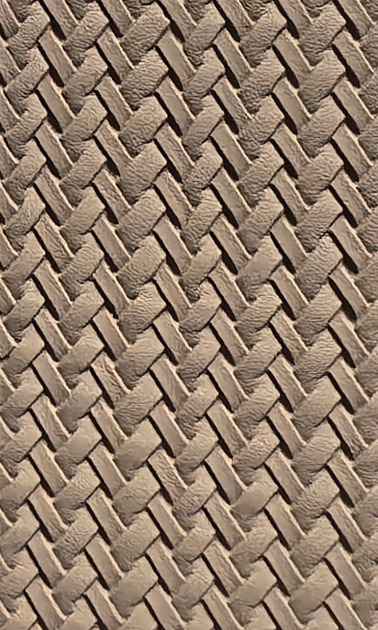
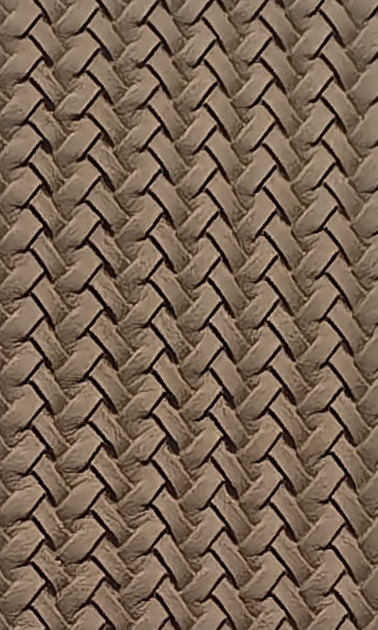
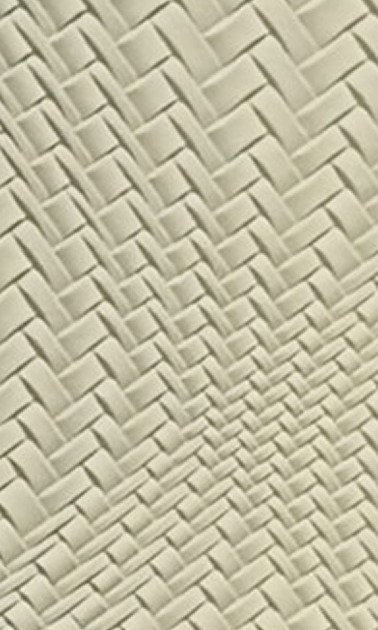
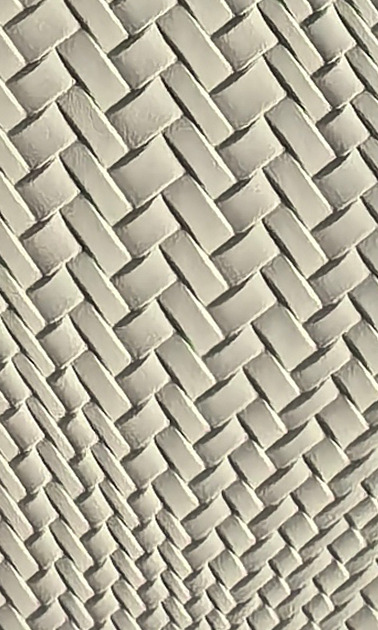
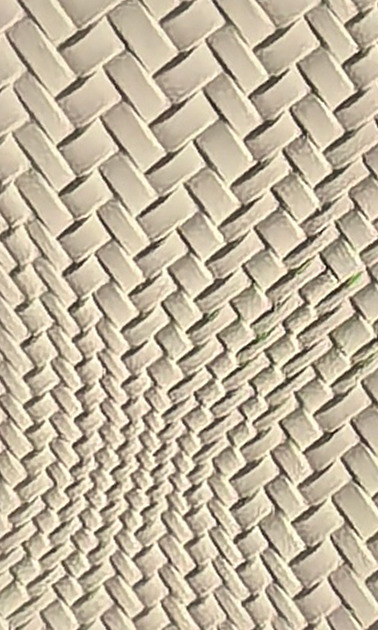
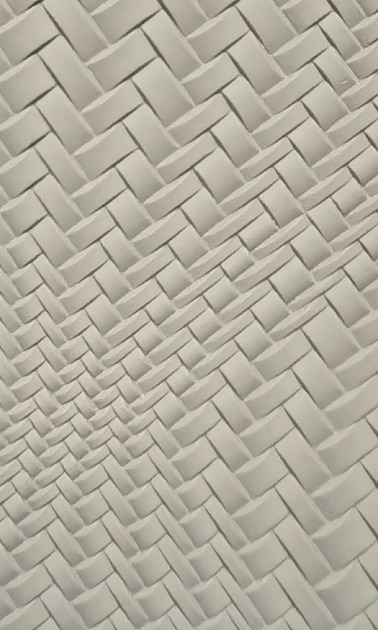
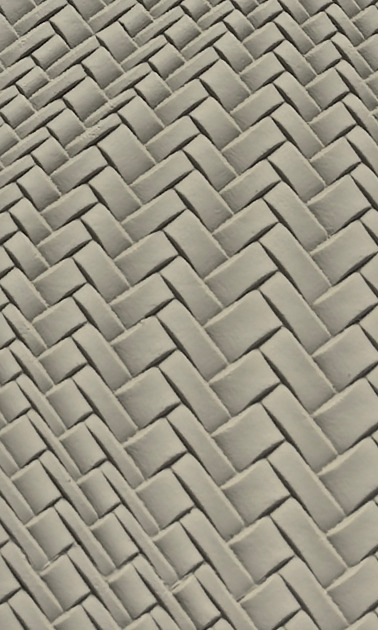
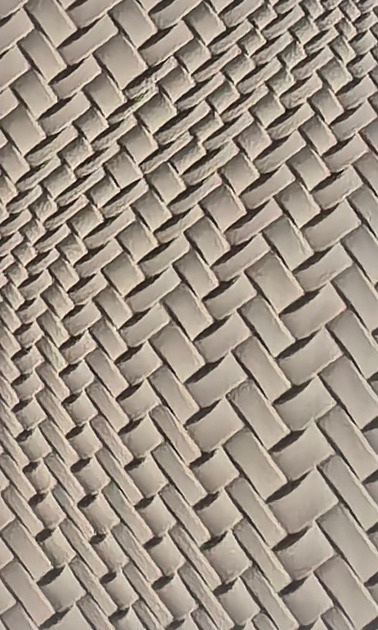
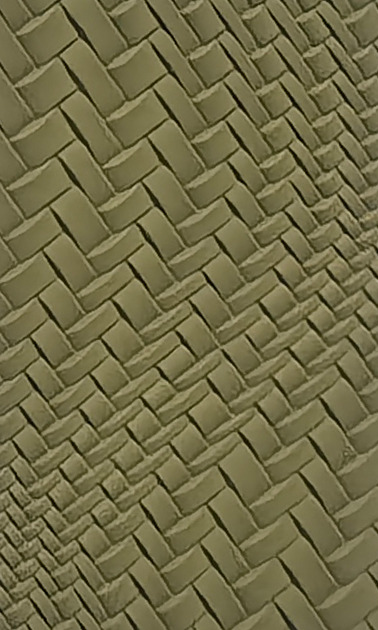
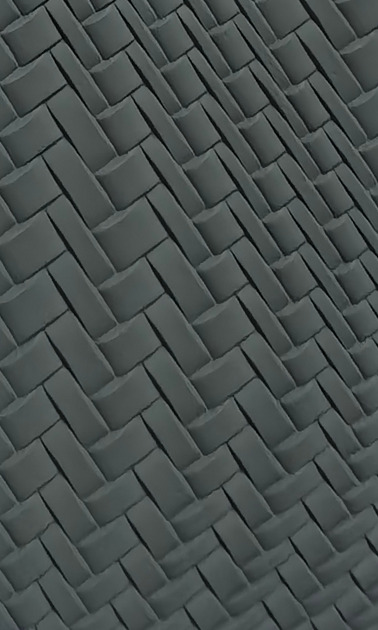
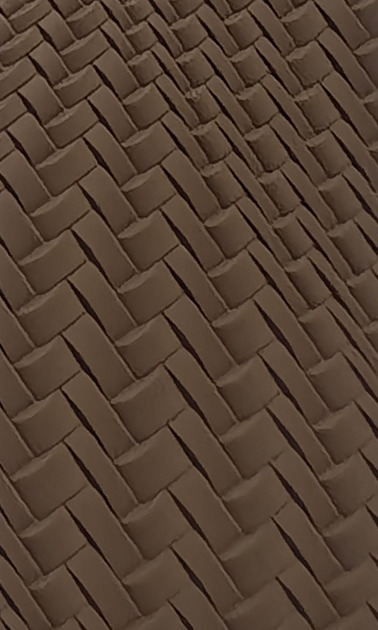
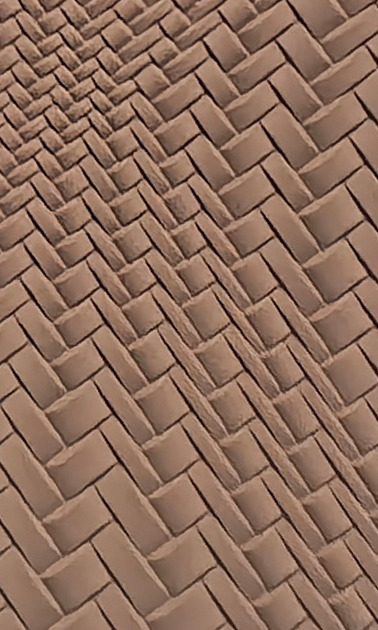
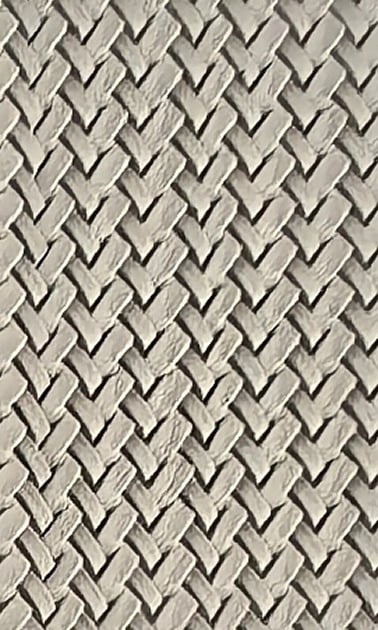
Fine herringbone effect
A small diagonal repeat for a more restrained surface.
Confirm the pattern direction, repeat and edge appearance on the finished door sample.

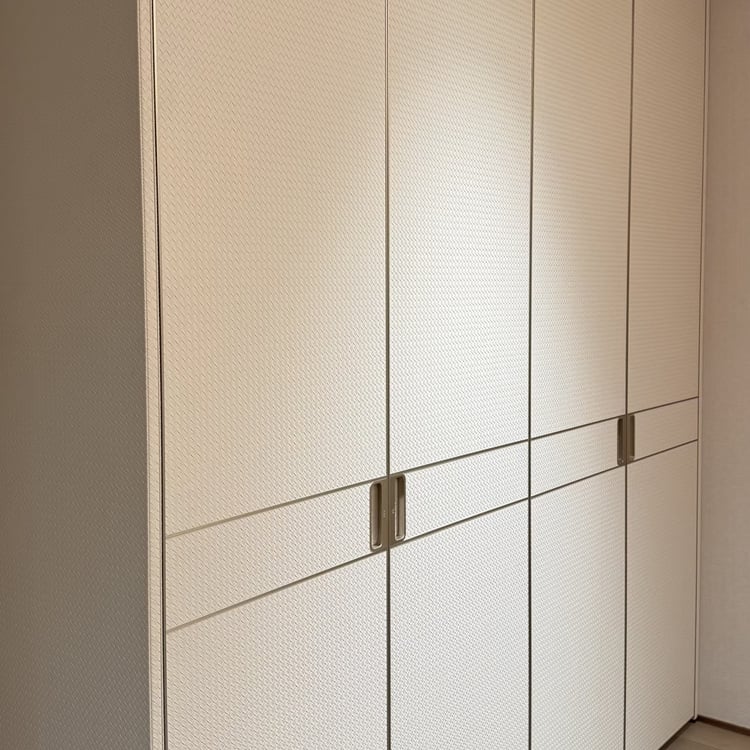

Bring a diagonal herringbone texture to wardrobe and closet fronts. Compare fine and broad pattern options to find the right balance for your door layout.
Review the color, pattern direction and handle position together, then send ESM your cabinet drawings and quantities for a project quotation.
01 / Product design
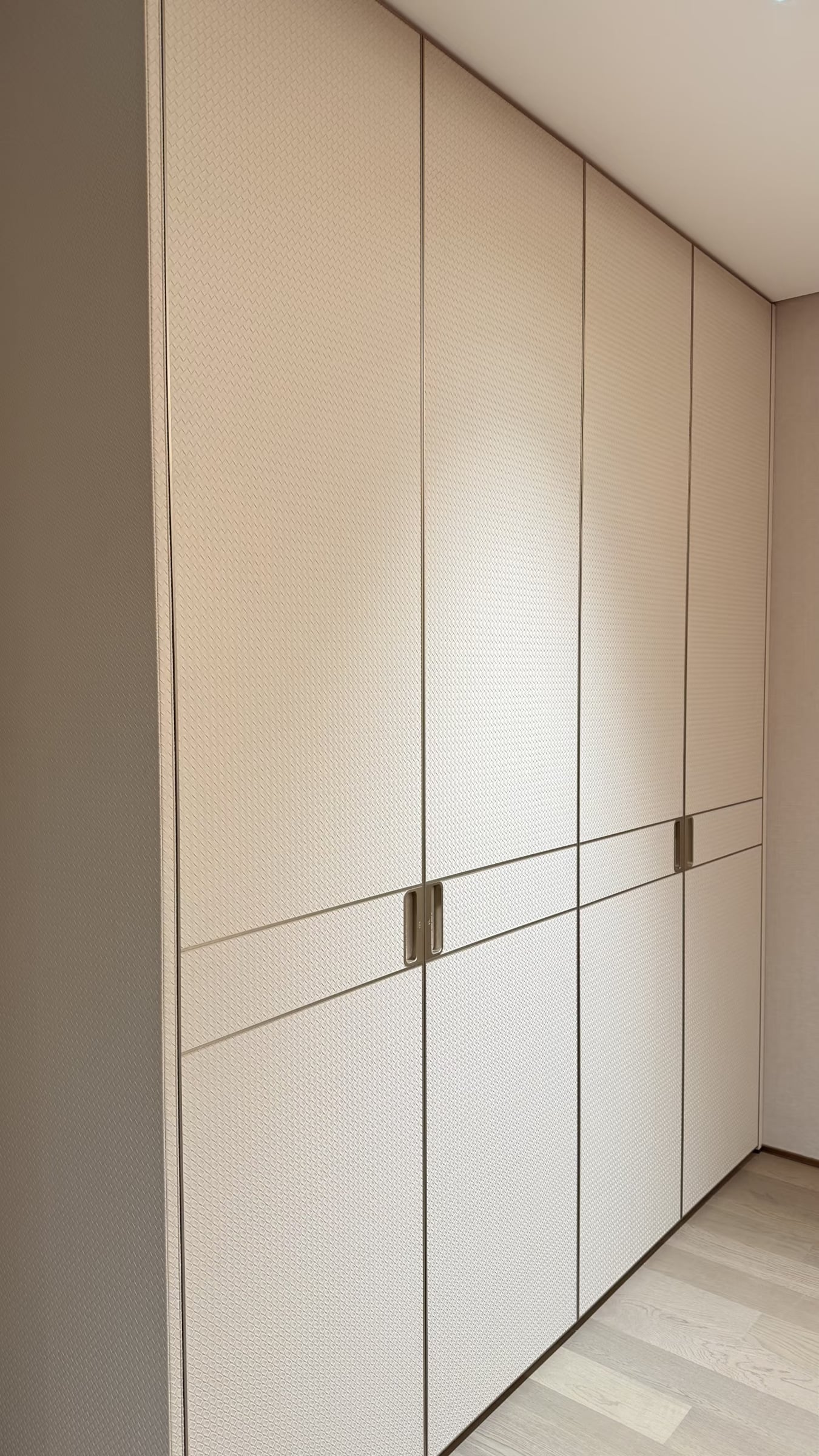
A diagonal woven-effect surface gives wardrobe and cabinet fronts a distinct pattern. The catalogue shows this appearance on tall opaque doors with recessed grips and a horizontal panel division.
Start with the texture, then coordinate its color, panel layout and grip detail with the surrounding cabinetry. The surface material and complete door assembly are specified for the selected project configuration.
02 / Texture selection
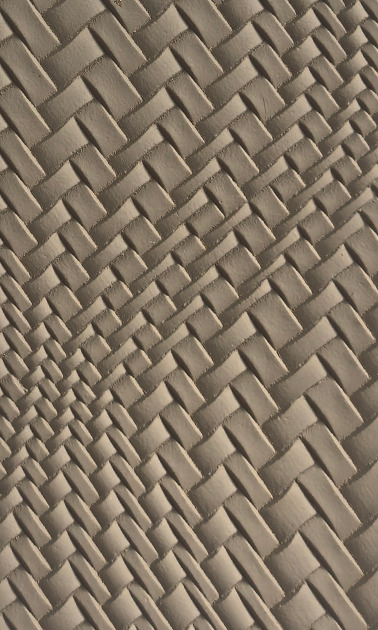
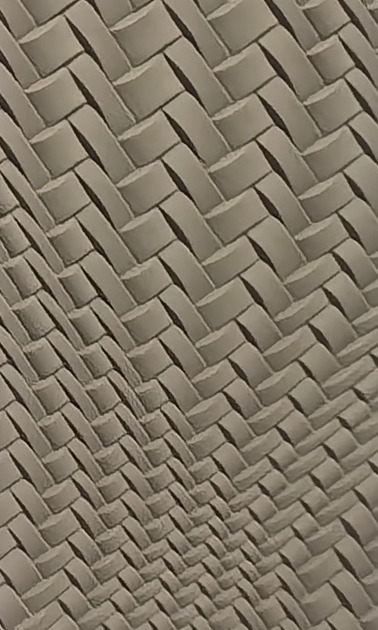
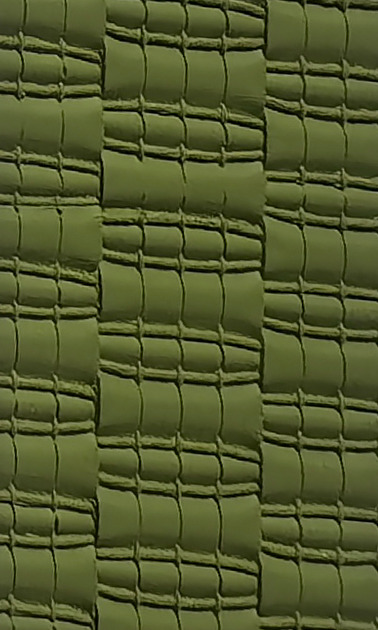
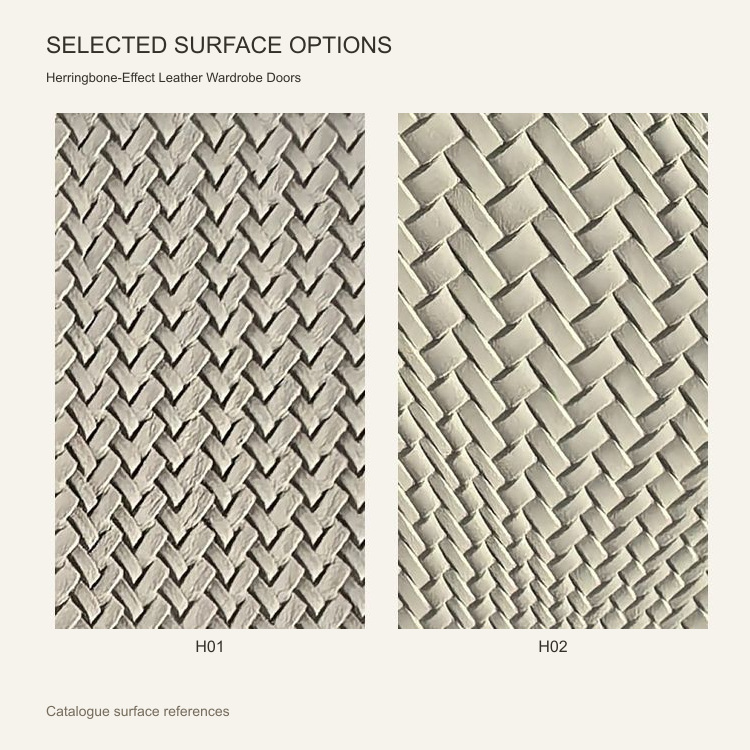
The weave character changes how a door reads across the room. Review the two references below as separate surface options, then confirm the selected finish against a physical sample.
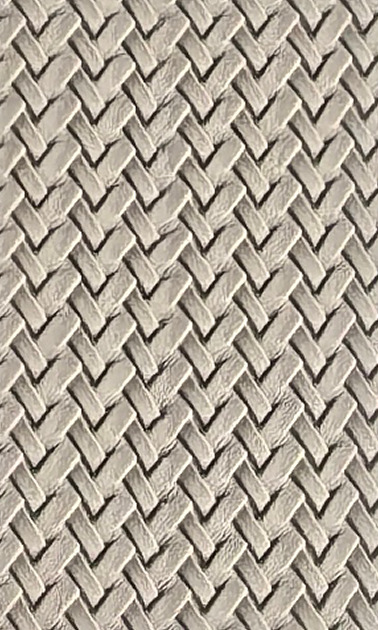
A small diagonal repeat for a more restrained surface.
Confirm the pattern direction, repeat and edge appearance on the finished door sample.
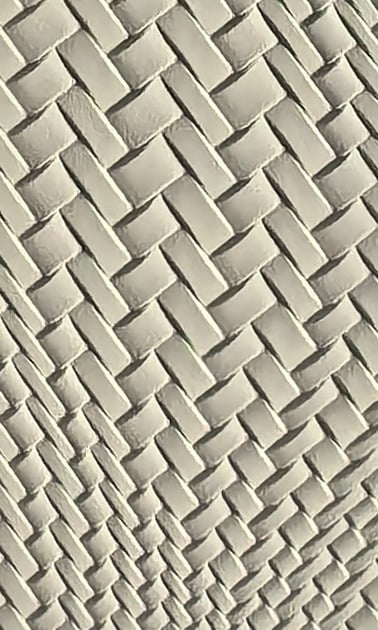
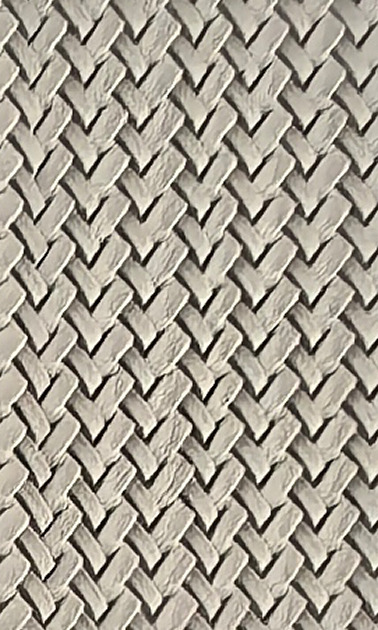
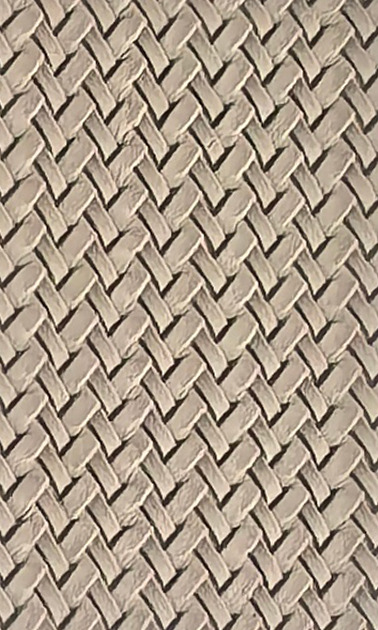
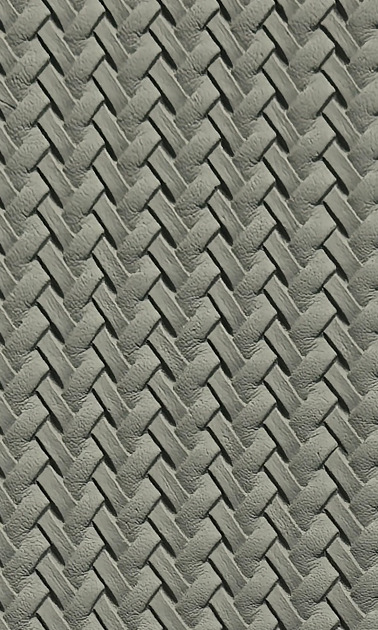
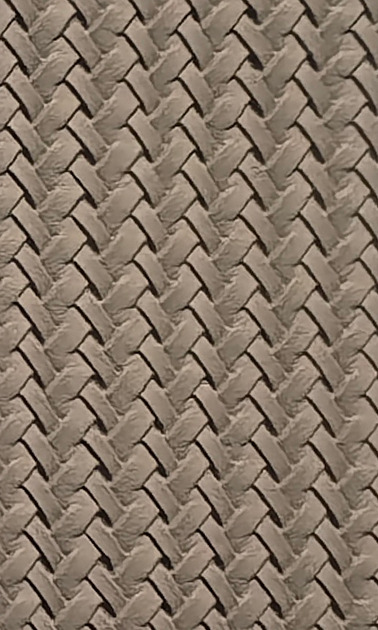
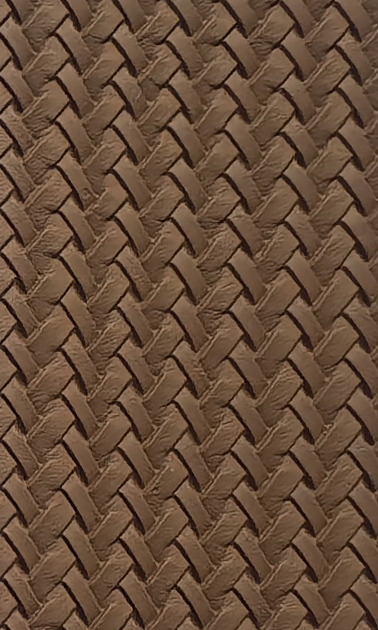
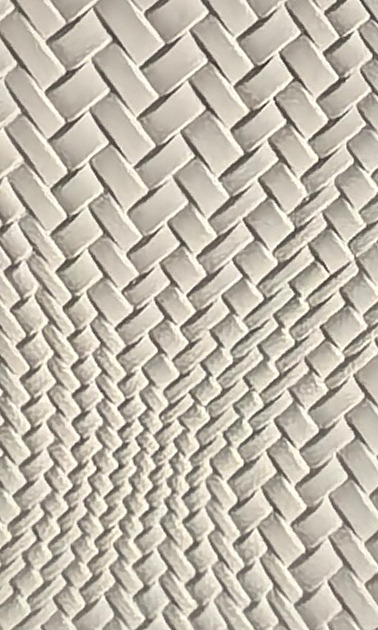
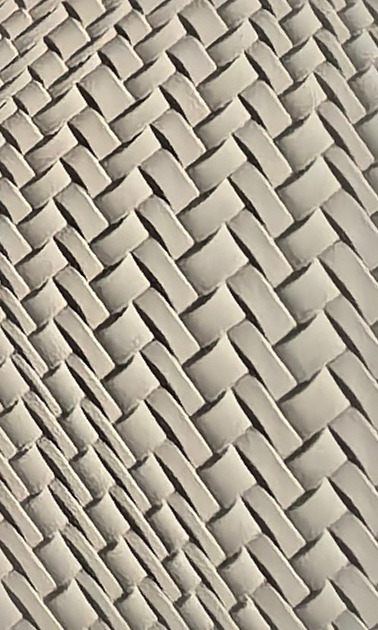
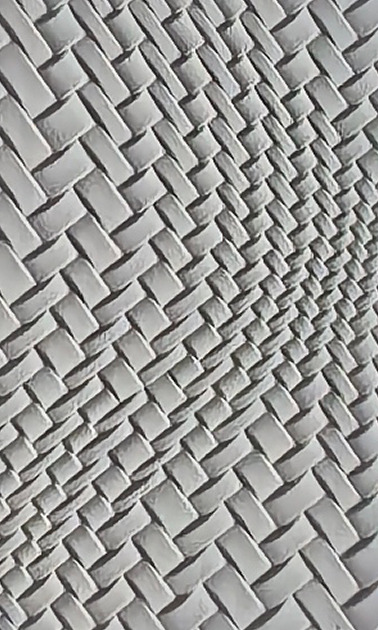
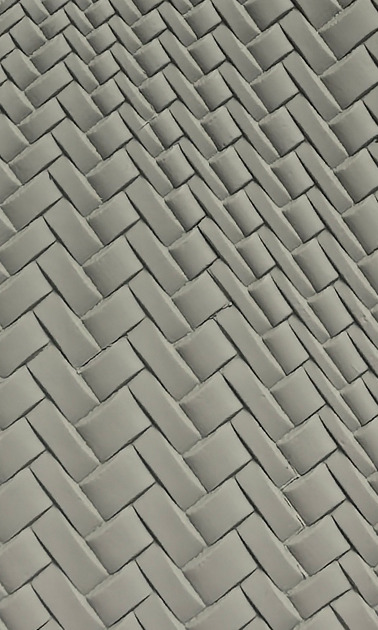
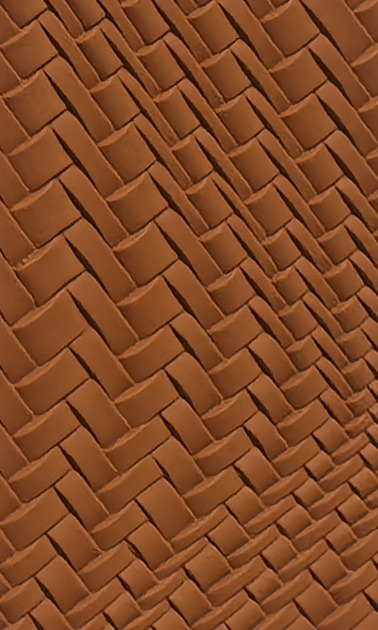
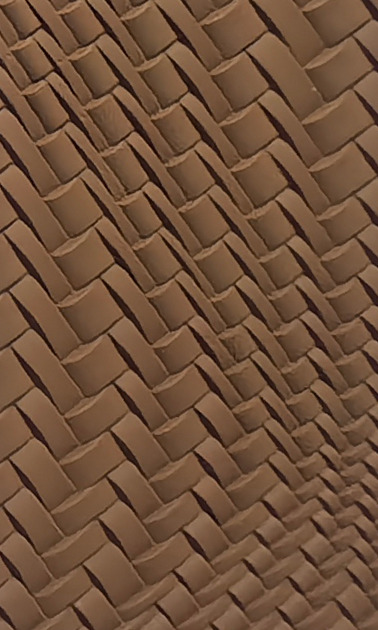
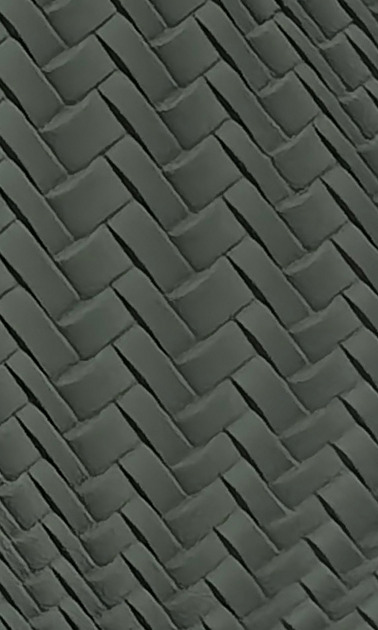
A wider interlaced pattern with a more visible diagonal rhythm.
Confirm the pattern direction, repeat and edge appearance on the finished door sample.
Texture names describe appearance. Material composition and manufacturing method are confirmed for the selected surface.
03 / Color references
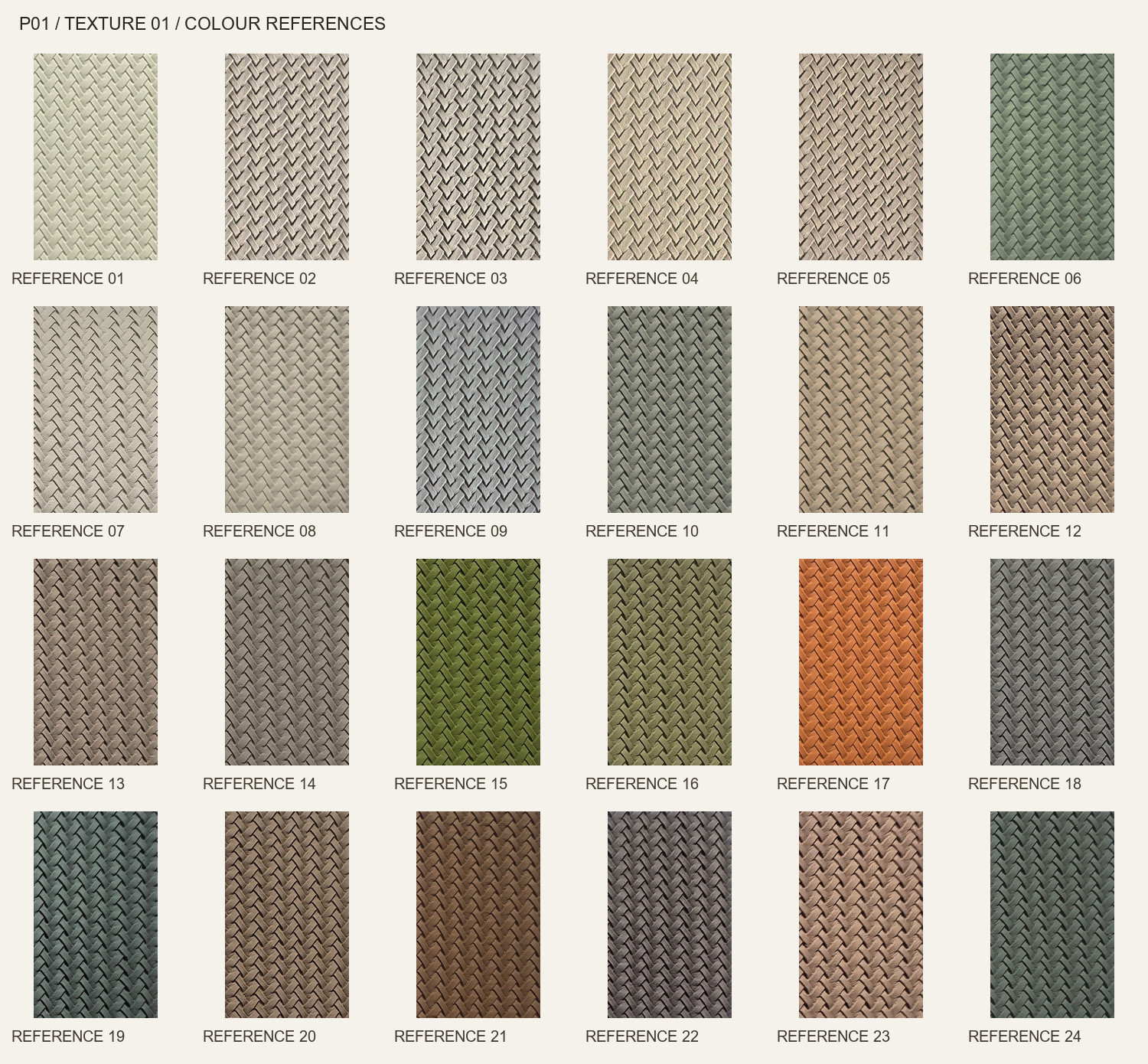
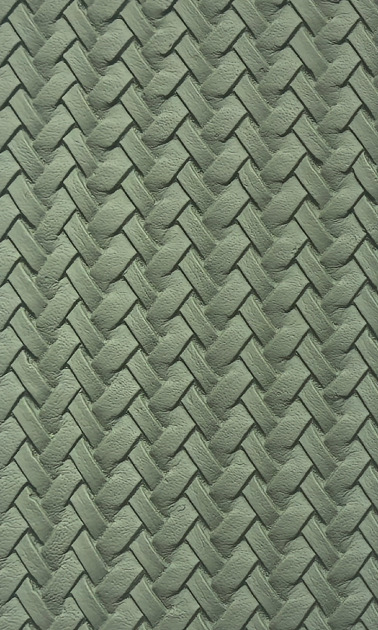
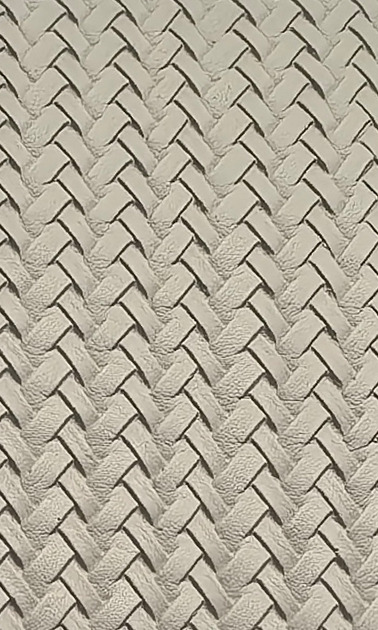
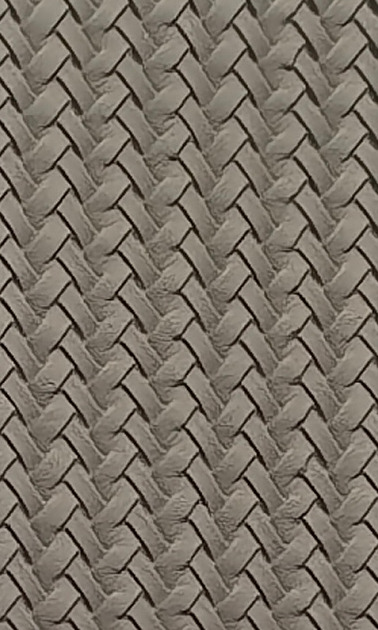
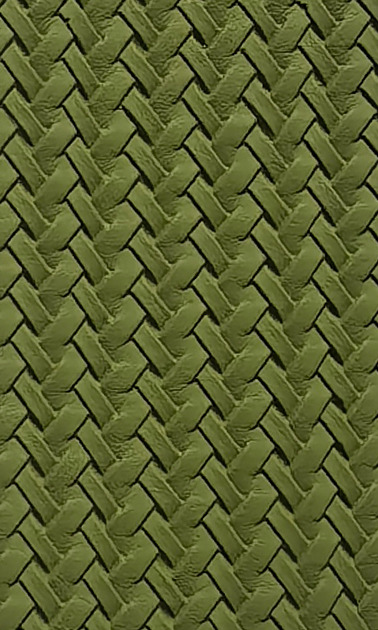
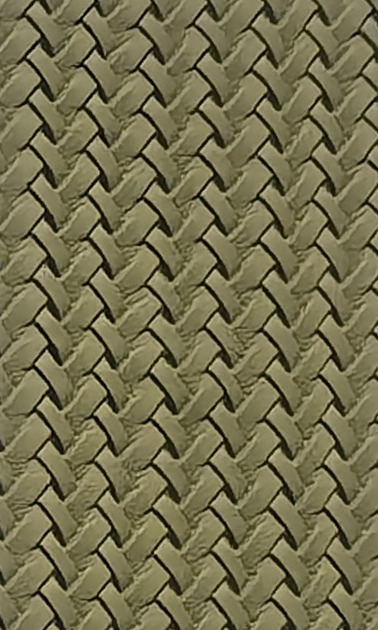
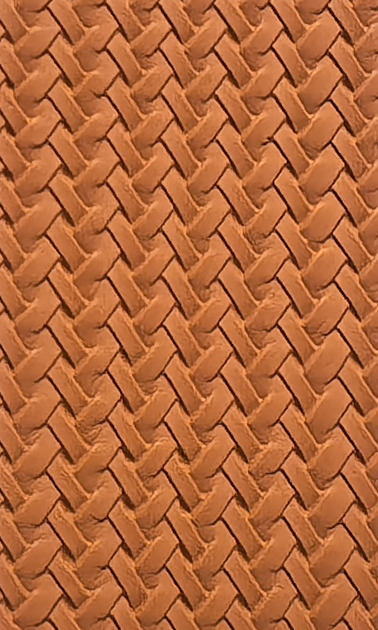
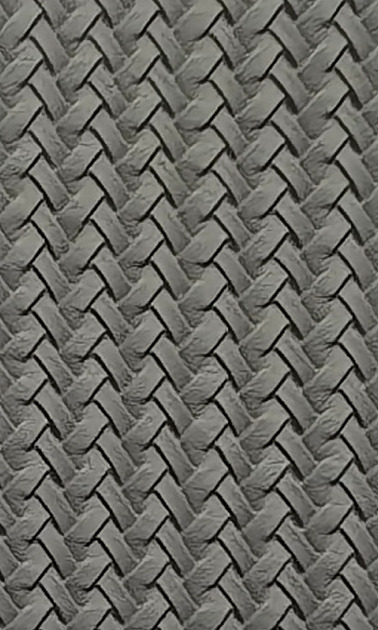
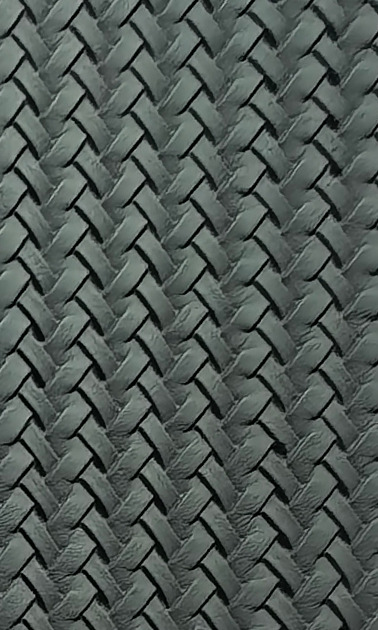
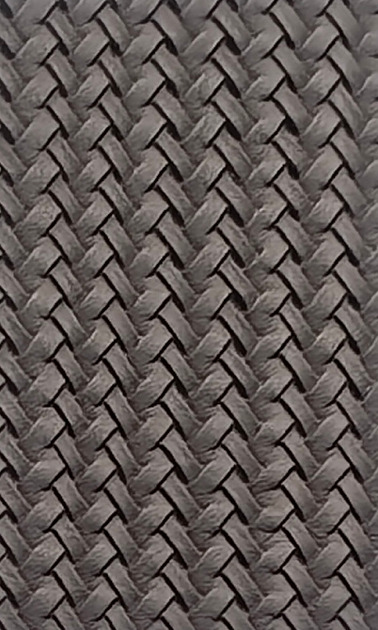
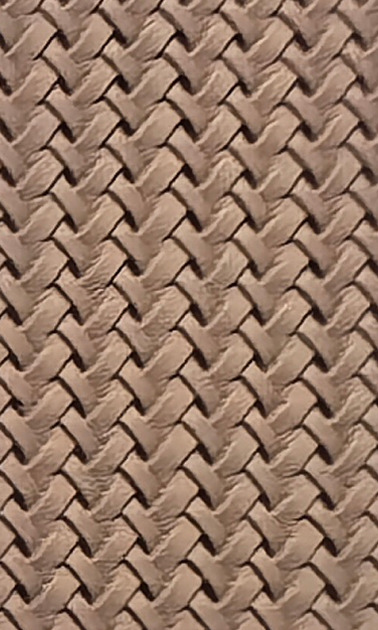
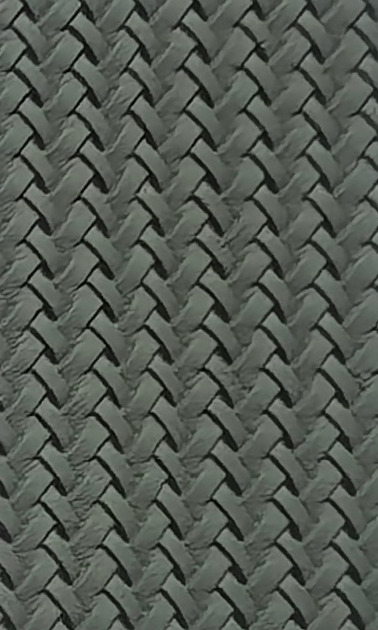
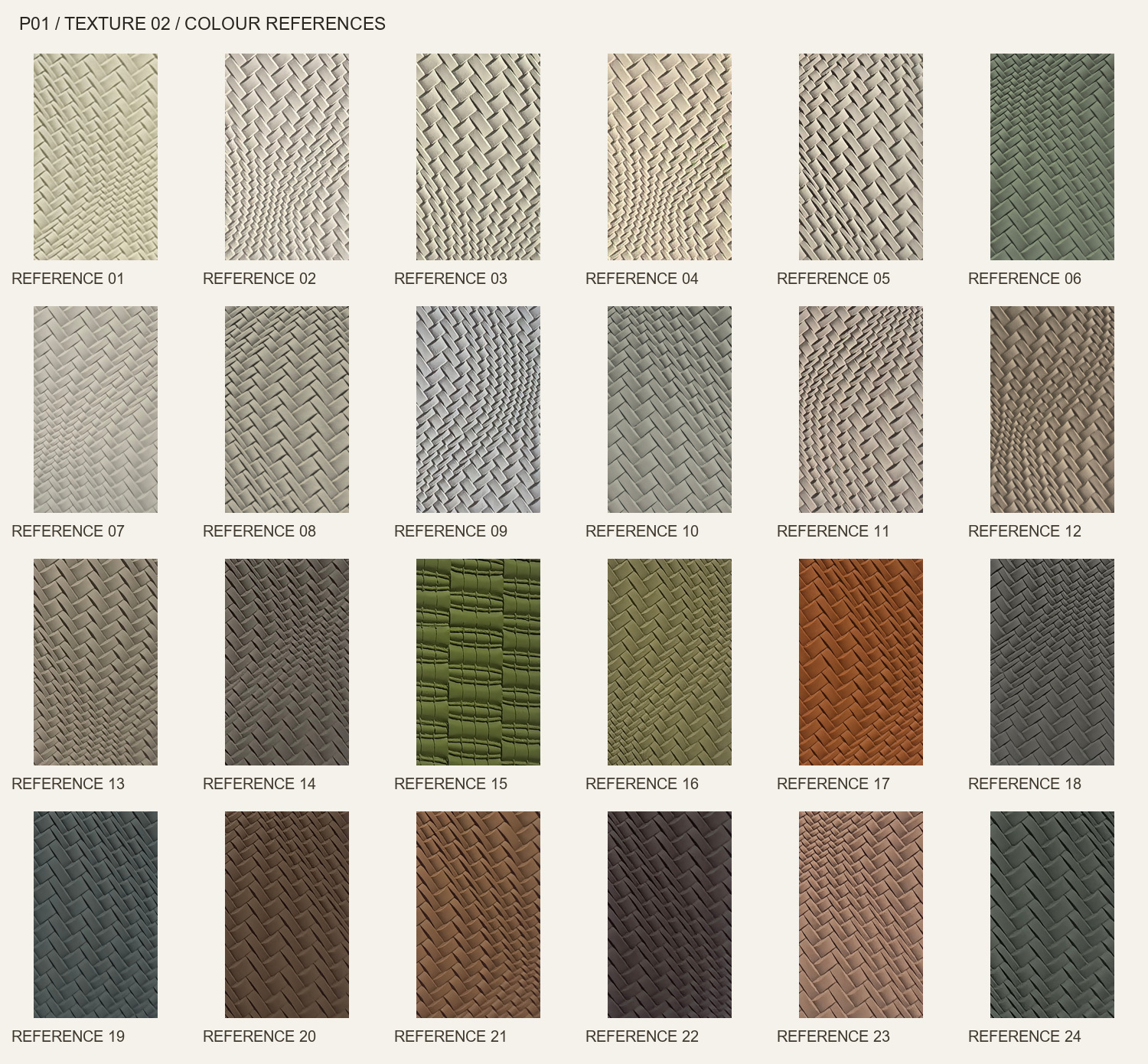
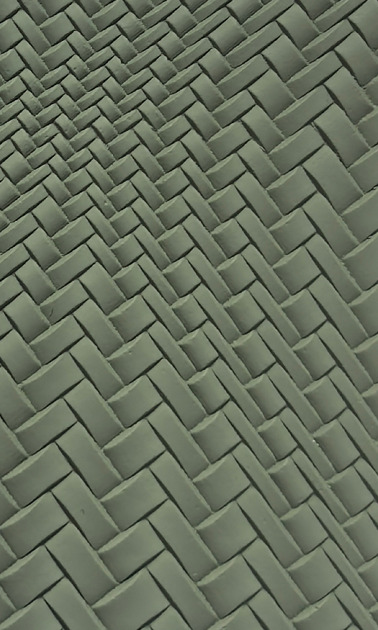
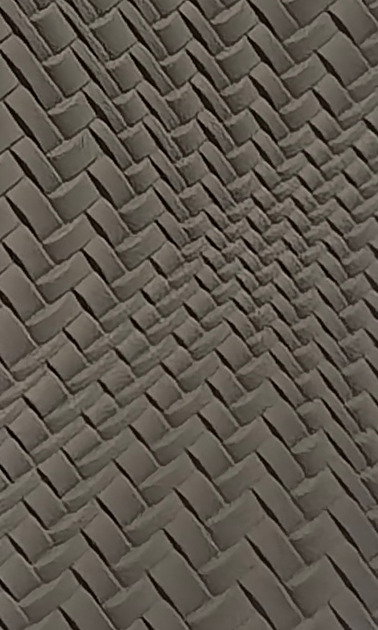
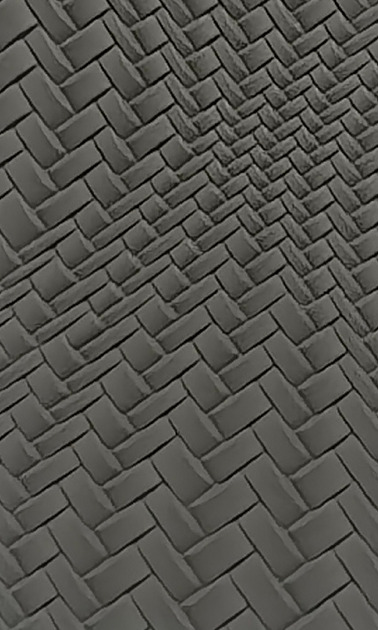
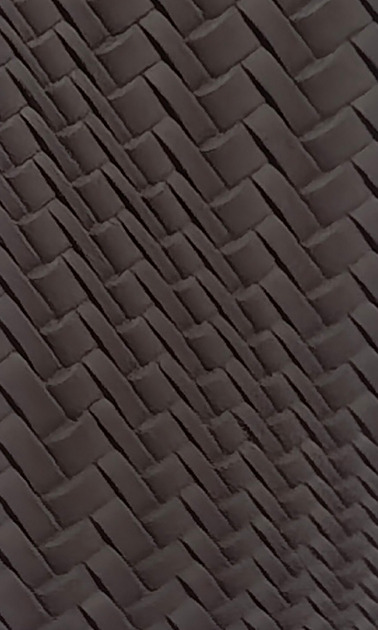
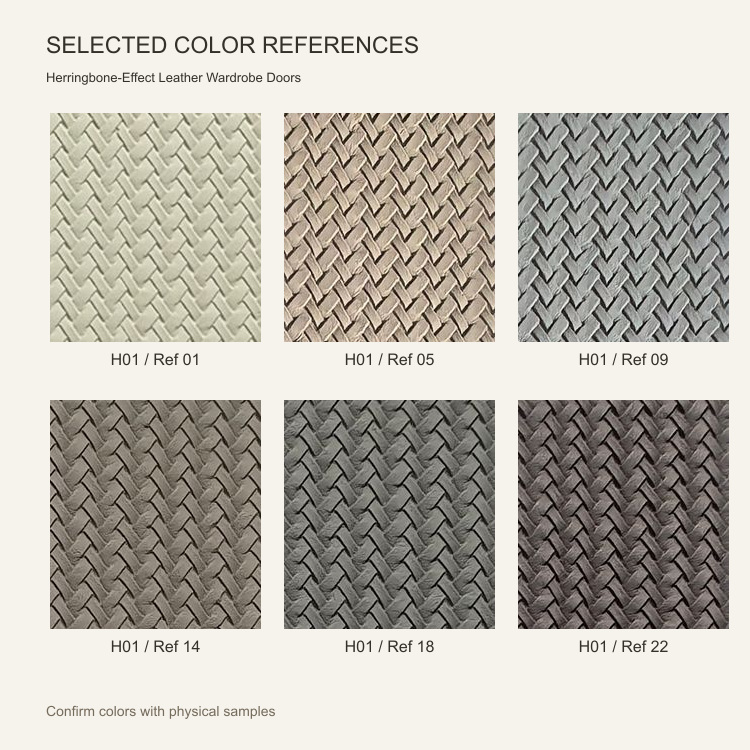
These six references introduce the color range for H01. Use the complete charts to compare all 24 catalogue references for each texture, including lighter, deeper and accent tones.
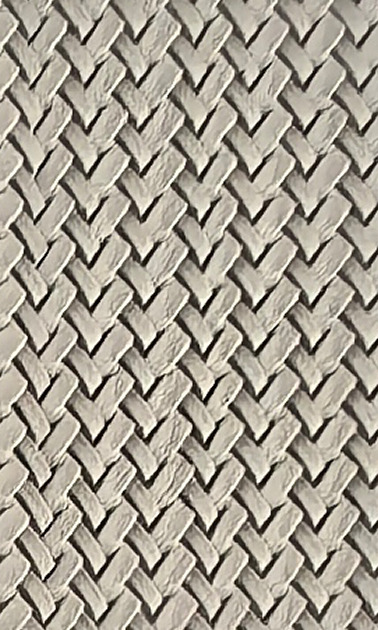
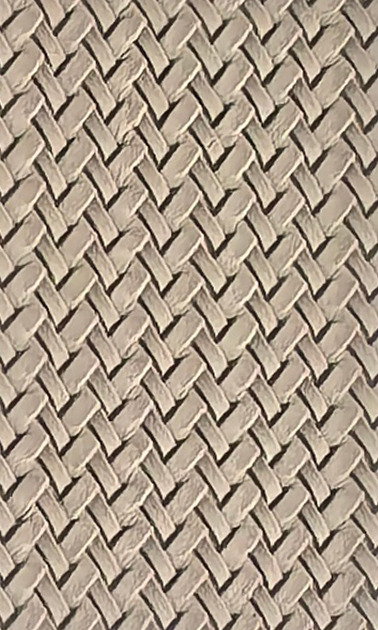
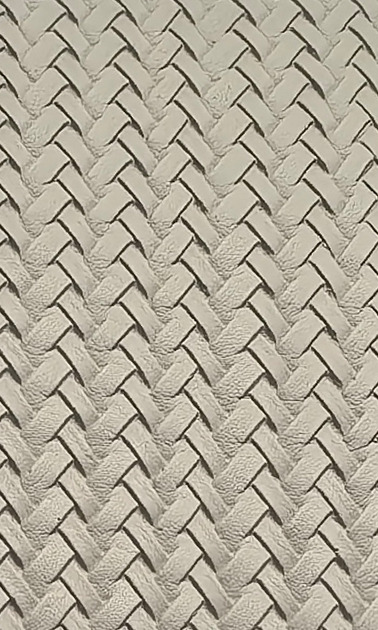
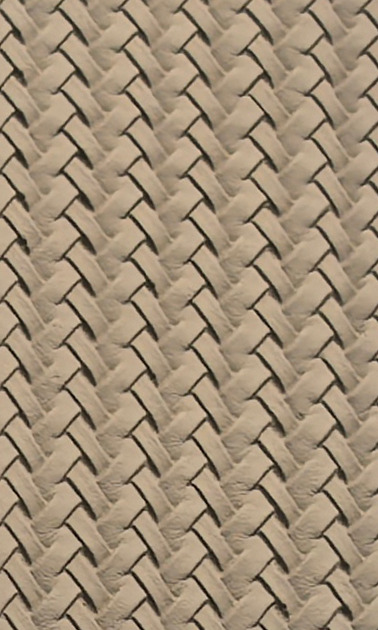
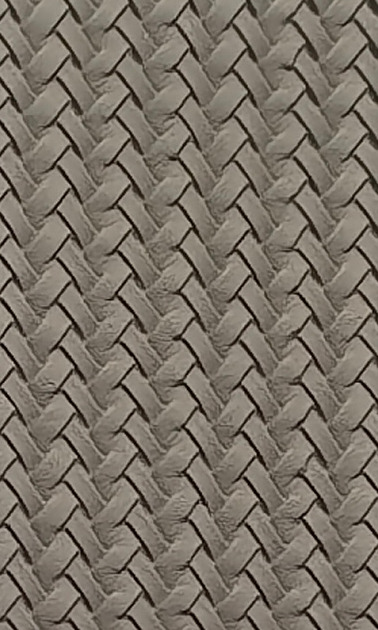
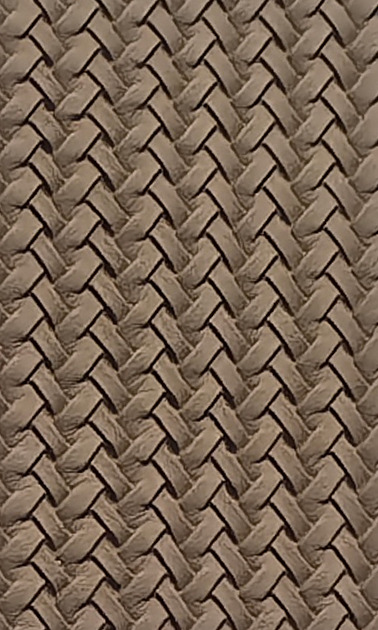
Browse all 24 color references below. Tap any swatch to open its full-size image.
Browse all 24 color references below. Tap any swatch to open its full-size image.
A color reference is a starting point for selection. Compare the actual sample with the cabinet carcass, frame and handle under the project lighting. Confirm current supply and any batch requirements before the order is approved.
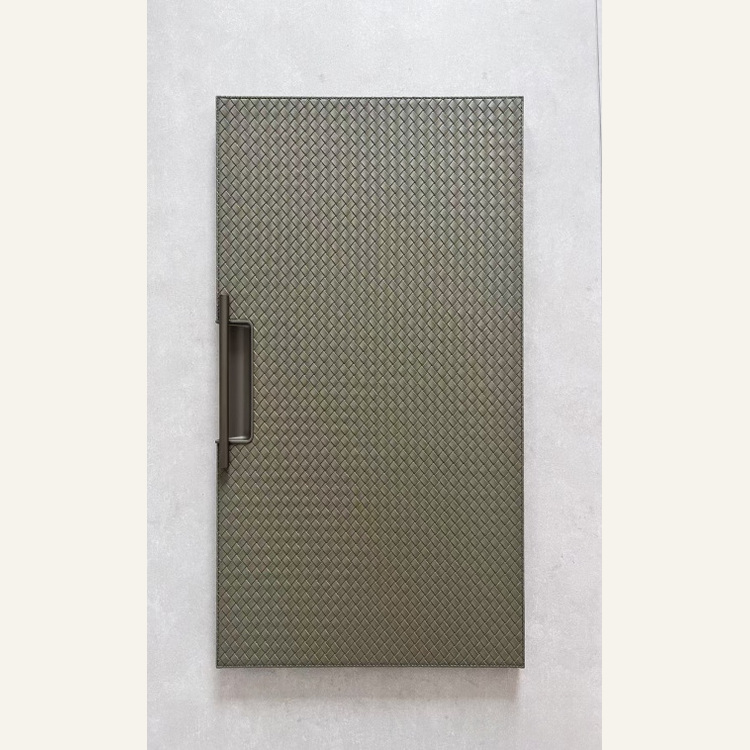
04 / Door-front reference
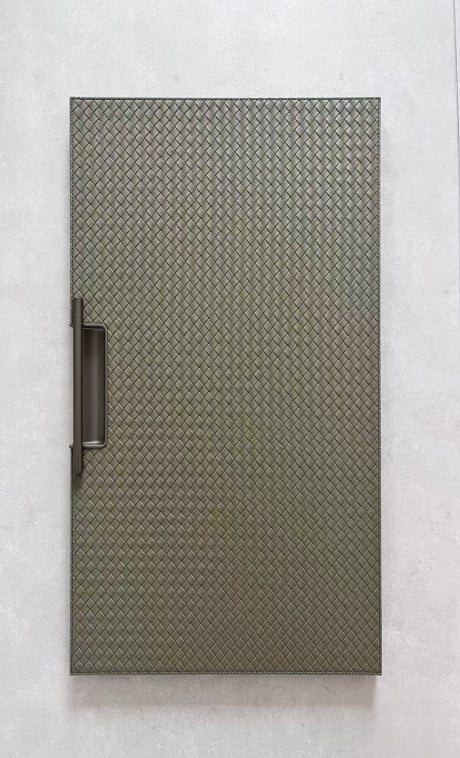
The catalogue also includes a separate textured door-front sample. It helps show how the diagonal surface, visible perimeter and grip relate to one another on a complete front.
Use the reference to define the appearance you want, then review the actual profile, panel build and grip fixing for your cabinet. A single face photograph does not define the backing, panel thickness or hinge connection.
05 / Panel and handle details
The first wardrobe reference uses a horizontal band at the grip level. This divides the elevation and gives the recessed handles a defined position within the door composition.
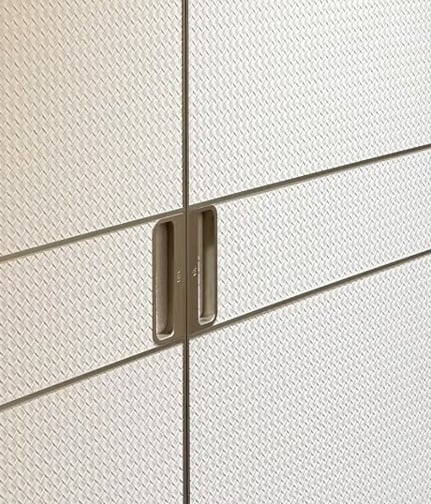
Identify the preferred grip level and the way the band meets the door joints. The drawing should show whether divisions are repeated across the elevation and how the handle positions align on adjacent leaves.
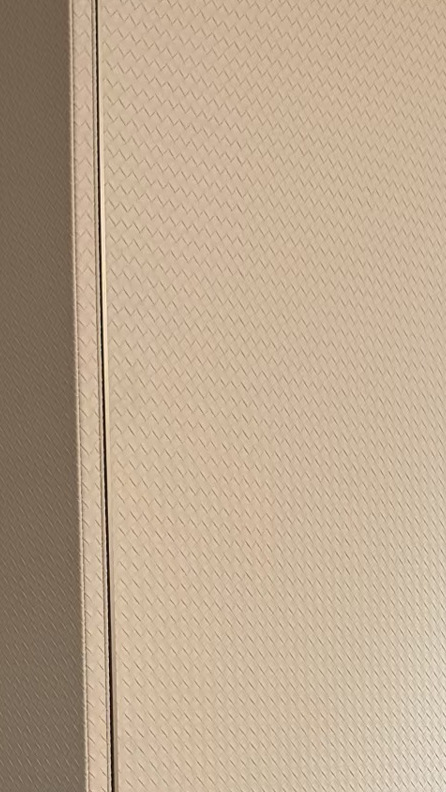
Review the pattern direction at the door edges and between paired fronts. Confirm any matching requirements before material cutting and panel production are agreed.
Both detail images are crops of the same catalogue wardrobe photograph.
06 / Door assembly and cabinet fit
A finish selection becomes a complete door only after the panel, profile, hardware and cabinet connection are coordinated. Review these four items with the project drawing.
Confirm the surface composition, backing and approved sample. Do not use a texture name as a substitute for a material specification.
Confirm the panel core, finished thickness, edge treatment and visible profile. Identify any exposed or special edge conditions.
Select the opening hardware against the door size, weight, profile and cabinet mounting points. Check nearby panels and obstructions.
Mark the hinge side, opening direction, grip level and desired pattern relationship on each adjacent door.
07 / Specification and quotation
Send the finished door dimensions and cabinet layout with the preferred texture and color references. The quotation should identify the exact surface, assembly and components included.
| Product type | Opaque wardrobe and cabinet door fronts with a herringbone-effect leather-look surface. |
|---|---|
| Texture selection | H01 fine herringbone effect or H02 broad herringbone effect; approve the actual surface with samples. |
| Color selection | Catalogue color references for each texture; confirm current availability and batch appearance. |
| Finished dimensions | Project-specific width and height, reviewed with the complete panel, frame and opening hardware. |
| Door construction | Surface composition, panel core, backing, edge treatment and finished door thickness confirmed for the selected configuration. |
| Handles & profiles | Grip style, profile finish and fixing positions coordinated with the door layout and cabinet clearance. |
| Opening hardware | Selected after the door dimensions, weight, frame and cabinet connection are reviewed. |
| Supply & delivery | Confirm included components, quantities, packing, destination and project timing in the quotation. |
Catalogue material width and surface thickness are material references. Finished door width, height and overall thickness are confirmed separately for the approved assembly.
08 / Selection and approval
A clear sample and drawing review helps define the color, texture direction, panel divisions and hardware positions before the order is finalised.
Choose H01 or H02 and the color references you want to compare. Request the material details and physical samples.
Provide finished sizes, quantities, cabinet drawings, grip preferences, opening direction and delivery destination.
Confirm the surface, edge, profile, grip and hardware. Mark matched doors and any special panel divisions.
Review the quotation, included components, packing and timing. Confirm the approved configuration before ordering.
09 / Frequently asked questions
Herringbone-effect describes the visible pattern. The catalogue appearance alone does not establish whether a surface is embossed, assembled from strips or produced by another method. Ask for the exact material composition, construction and a physical sample of the selected option before ordering.
Compare the samples at the distance from which the wardrobe will normally be viewed. A finer repeat gives a more uniform field, while a broader repeat makes the diagonal pattern easier to see. Review both next to the cabinet finish and the intended handle rather than choosing from a small screen image alone.
Pattern direction, cutting position, door divisions and the available material need to be planned together. If matched or mirrored pairs are required, identify those doors on the drawing and request the matching arrangement for review. Do not assume every material or layout can be supplied with uninterrupted pattern alignment.
Yes, the project can be planned with separate opaque and glazed modules for review. Define which door positions require the leather-look finish and which require glass. A room photograph showing both materials does not mean that the two materials share one door leaf or that all modules are included in one product quotation.
Send the preferred elevation and grip location with the finished door sizes. The horizontal band in the catalogue is a design reference. Confirm the final panel layout, fixing positions, edge treatment and opening clearances on the approved drawing before placing the order.
They are catalogue references for initial selection. Lighting, photography, display settings and material batches affect their appearance. Confirm current availability and approve physical samples for the selected texture and color; an image in the catalogue is not a stock commitment.
These are confirmed for the selected door configuration, material availability, quantity and delivery destination. Include the project schedule with the enquiry. Ask the quotation to identify sample arrangements, included hardware, protection, packing and delivery terms so the supply scope is clear.
Request the care guidance for the approved surface material. Confirm the intended room conditions and any cleaning products with the material specification. Avoid treating every leather-look finish as the same material; its cleaning and use requirements depend on the selected surface and construction.
Herringbone-effect wardrobe fronts
Include the finished door sizes, quantity, selected texture and color references, grip preference, cabinet drawing and destination country. These details help define the configuration and supply scope.
Our professional sales team is ready to assist you.