 EN
M01
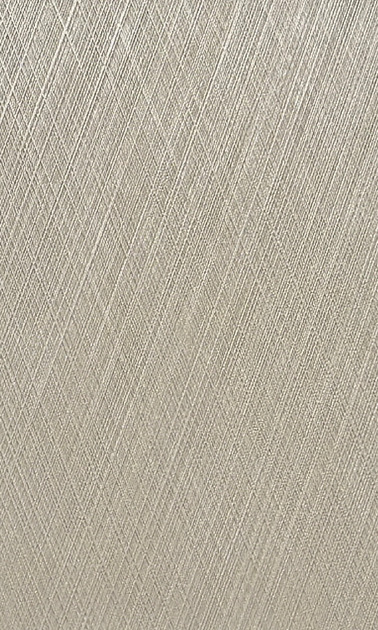
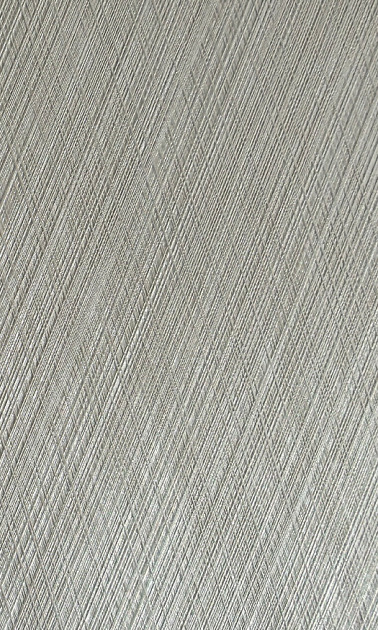
Metallic-thread effect surface
A fine linear and diagonal-looking detail gives the sample its reflective character. Confirm actual sheen and direction on a physical sample.

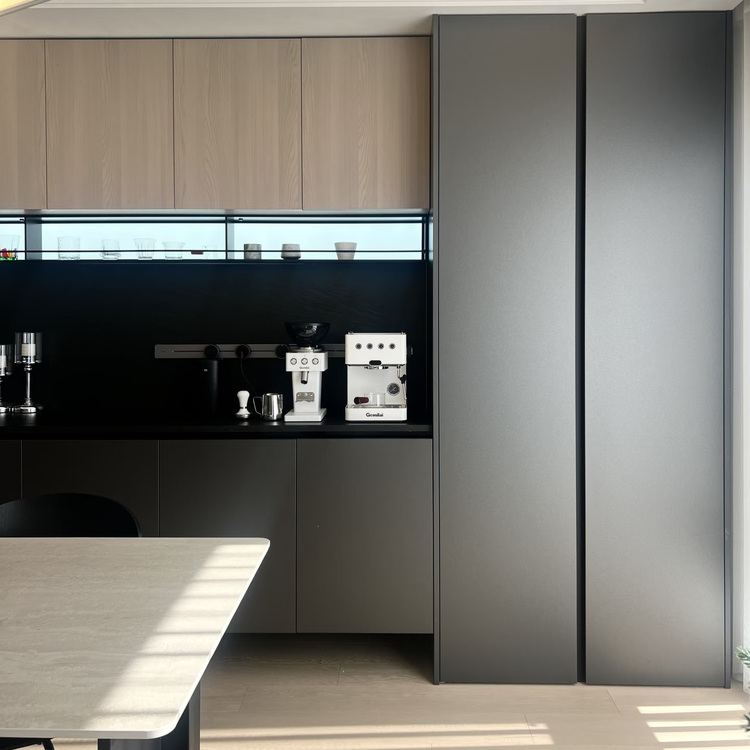
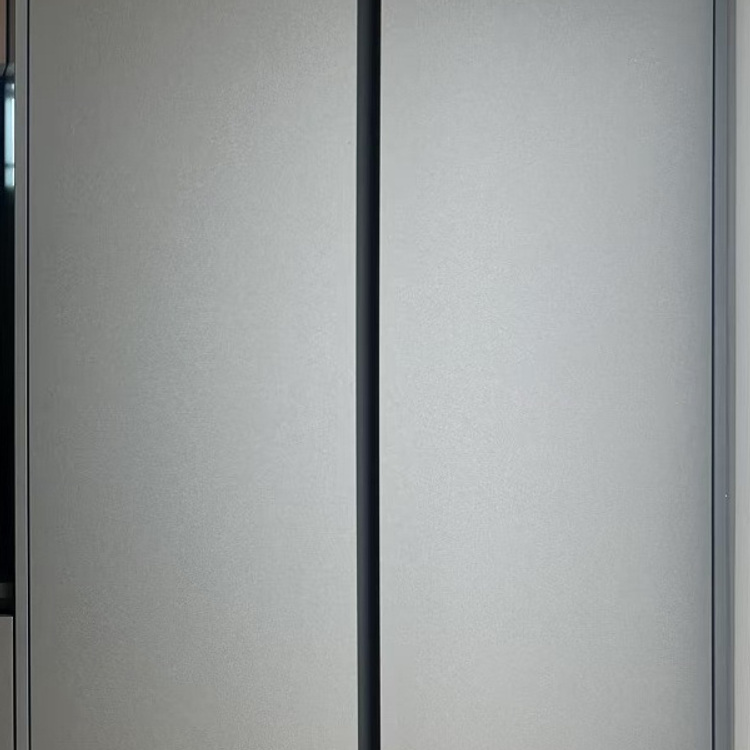
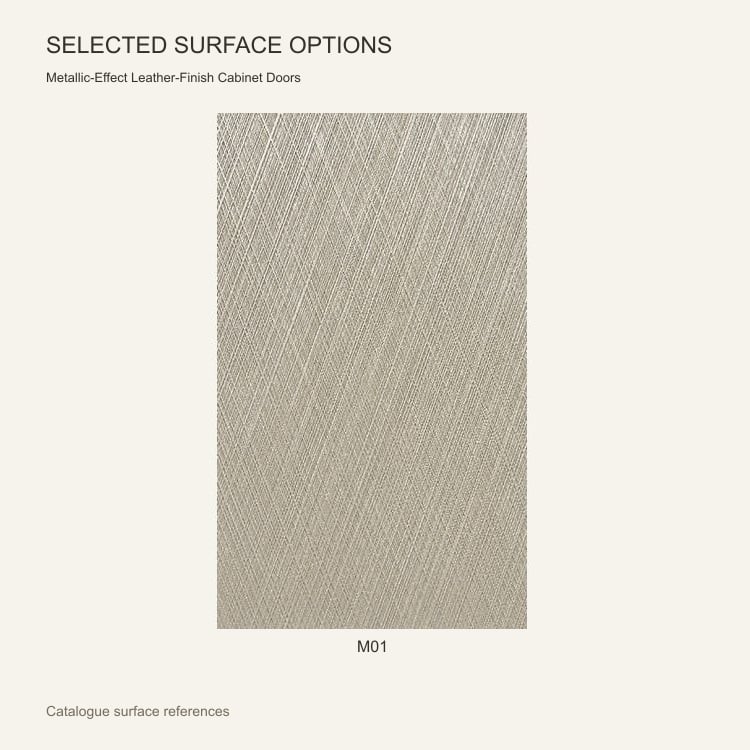
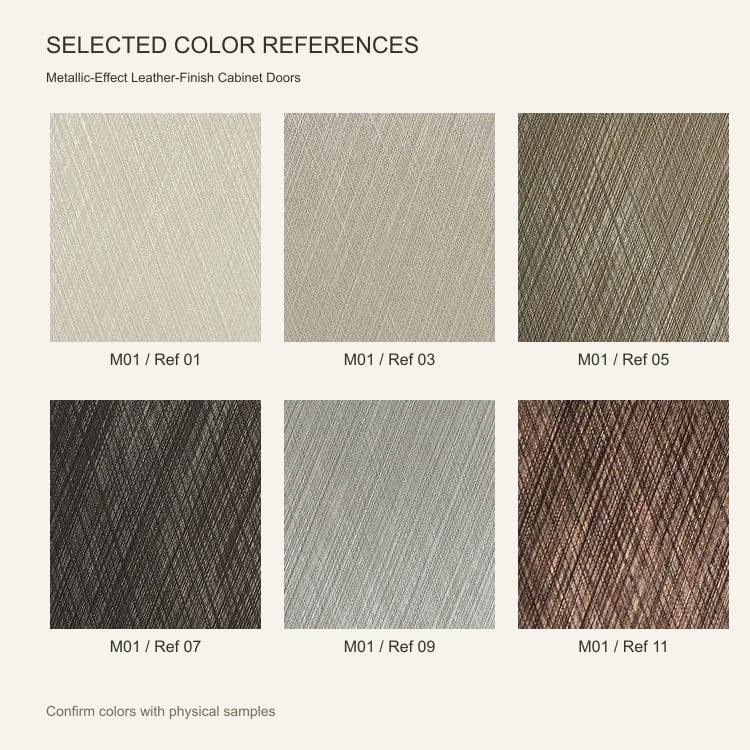
Introduce a metallic-looking sheen to cabinet fronts through a leather-look surface finish. Fine linear and diagonal details change in appearance as the light moves across the sample.
Compare colors under the lighting planned for your room. Share your cabinet drawings with yishimei ESM to coordinate the surface direction, handles and surrounding finishes.
01 / Product design
A fine, metallic-looking surface introduces a different play of light on cabinet fronts. Compare the finish under the intended lighting, then coordinate the doors with darker glass, wood or other surrounding materials.
Metallic effect describes the appearance of this finish. Confirm the actual surface composition and assembly for the selected project; the cabinet fronts should not be specified as solid metal solely from these images.
02 / Texture selection
Select the surface option first, then its color reference. Compare the actual grain, relief, sheen and material specification on a physical sample.
A fine linear and diagonal-looking detail gives the sample its reflective character. Confirm actual sheen and direction on a physical sample.
Surface names describe appearance or the source material category. Composition, manufacturing method and door construction are confirmed for the selected specification.
03 / Color references
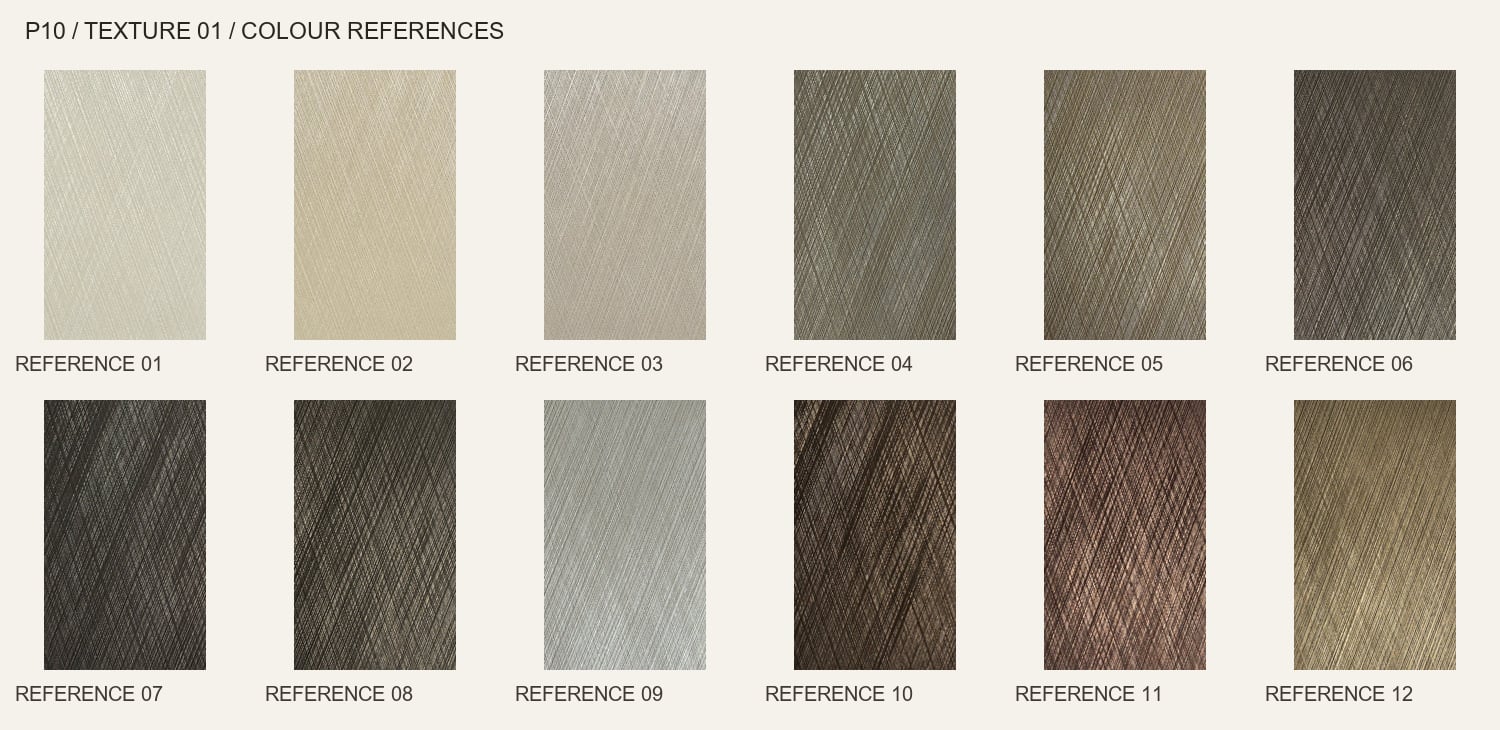
This family contains 12 catalogue color references across 1 surface option. The initial selection below introduces M01. Open each chart to compare the complete range for that option.
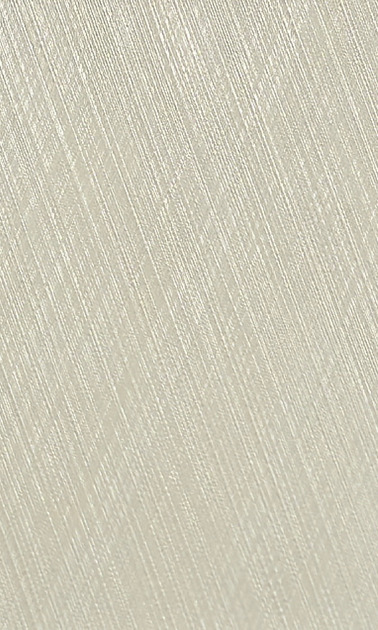
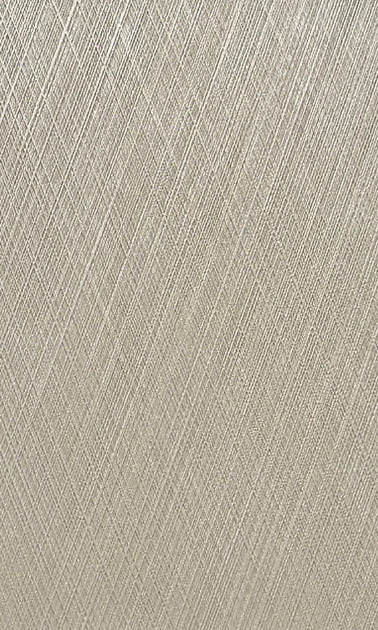
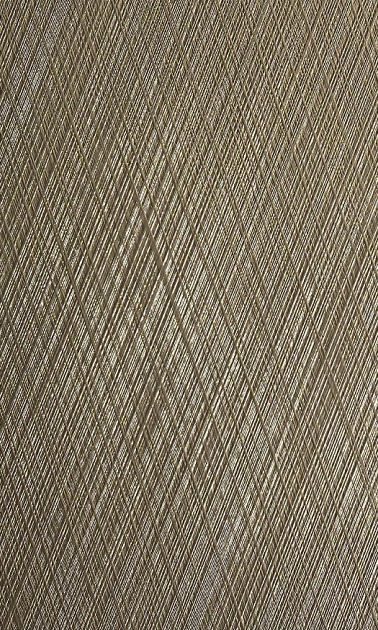
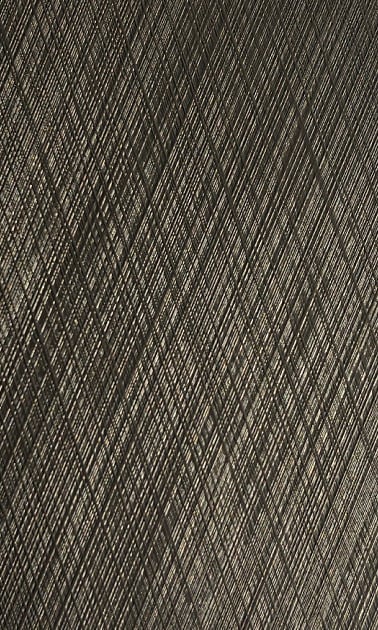

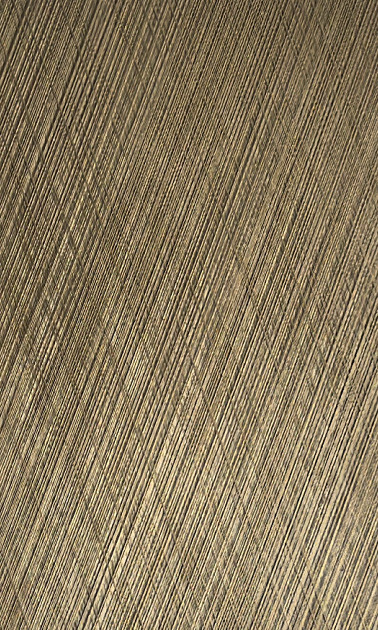
Browse all 12 color references below. Tap a swatch to open its image or complete source chart.
Reference 01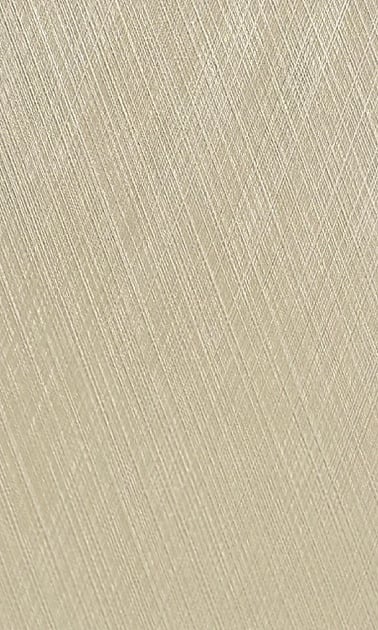 Reference 02Reference 03
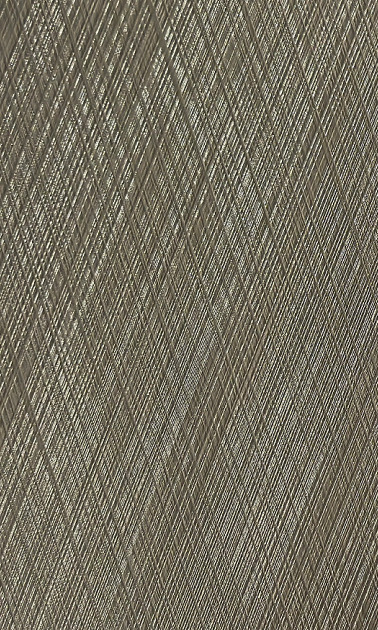 Reference 04Reference 05
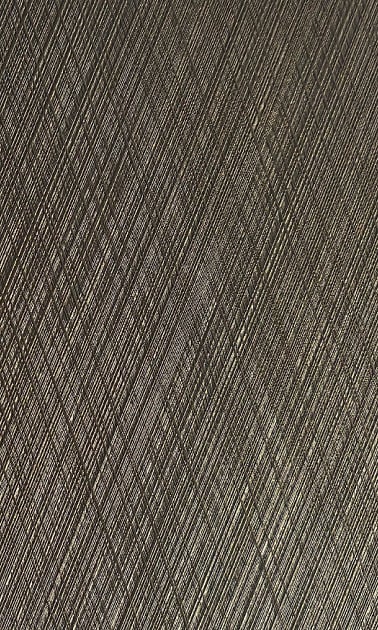 Reference 06
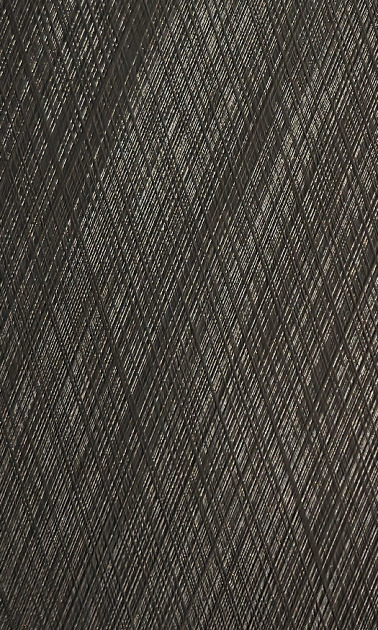 Reference 07Reference 08
 Reference 09Reference 10
 Reference 11Reference 12
Color references are for initial selection. Photography, lighting, displays and batches can affect appearance. A reference number is local to its surface option. Confirm availability and approve a physical sample.
04 / Cabinet planning
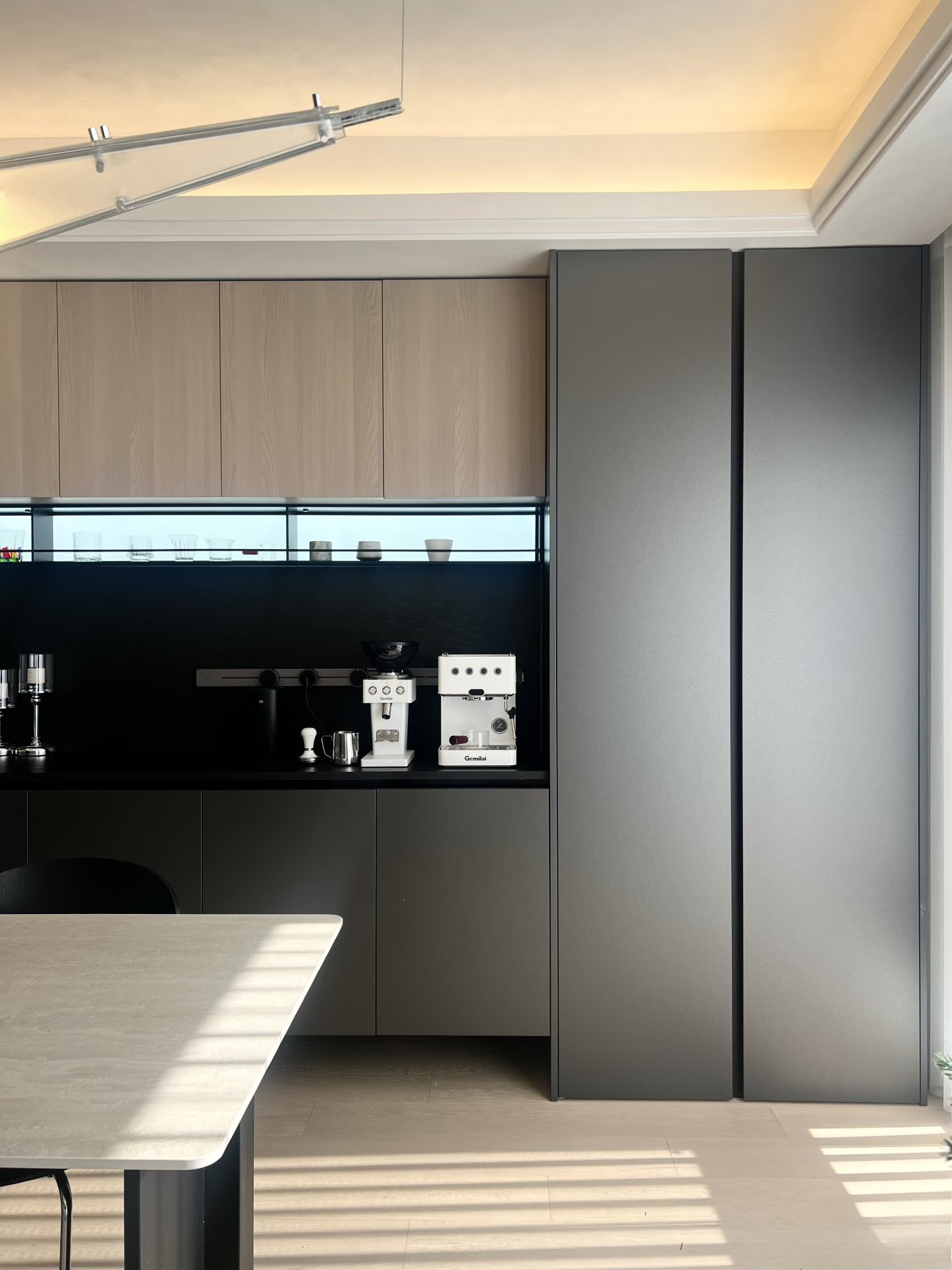
The catalogue cabinet reference combines tall darker fronts with other storage and finishes. Use it to assess the balance between opaque panels and surrounding materials. Review doors together under one light source so differences caused by direction or reflections can be understood before approval.
Send an elevation with each door position, finished height and width, opening direction and grip preference. Include adjacent modules when their alignments affect the design. The drawing is used to review feasibility and quotation scope; the catalogue image alone does not define an assembly.
05 / Surface and edge details
Show the preferred material direction for tall doors, short doors and return panels. Consistent cutting may be important to how the finish reflects light across the elevation.
Inspect the face, corners and any perimeter border together. A material close-up cannot establish how a reflective-looking finish will terminate on the actual assembly.
These surface photographs show appearance. They do not show a door cross-section, edge build-up or tested hardware assembly. Review those details on the approved sample and drawing.
06 / Configuration checklist
Use the following checkpoints to connect the selected finish to your cabinet. Clear door positions and supply requirements make the quotation easier to compare.
Mark the relevant door positions and show the preferred arrangement on the elevation.
Use the selected physical sample to assess this detail before the finish is approved.
Include the proposed grip and any neighboring components that affect fixing or clearance.
Record the approved choice with the material reference so production and replacement requirements are clear.
07 / Project specification
The door is quoted as a defined configuration. Use the table below to state the requirements rather than relying on dimensions or performance inferred from photographs.
| Product scope | Decorative cabinet or wardrobe door fronts in the selected surface. Identify whether the enquiry requires door leaves only, frames, hardware or a complete cabinet package. |
|---|---|
| Surface and color | M01 — Metallic-thread effect surface. Quote the option and its own color reference together. |
| Finished dimensions | Provide height × width for every leaf, quantity per size and any required thickness. Feasible sizes and total door thickness are confirmed after construction review. |
| Core, backing and edges | Specify the proposed core, reverse face, edge treatment and any perimeter profile. Final construction is confirmed with the quotation and sample. |
| Opening and hardware | State the preferred opening system, hinge or track requirements, grip type and installation conditions. Compatibility and included components need confirmation. |
| Material width | Any roll-width information in the catalogue refers to surface material. It does not establish a finished door size; material thickness is also separate from total door thickness. |
| Project and delivery | Provide intended room use, destination country, quantity and target schedule. Confirm sample arrangements, minimum order, lead time, packing and delivery terms for the selected configuration. |
08 / Sampling and order process
Keep the surface sample and the door drawing connected throughout selection. This helps resolve appearance and assembly details before production is confirmed.
Send door sizes, quantities, the cabinet drawing, destination and the preferred surface and color references.
Confirm texture, color, sheen and the proposed edge or corner. Request a finished sample when the assembly detail matters.
Review the door construction, grip arrangement, hardware scope and drawing with the quotation before placing the order.
Agree availability, production schedule, packing, inspection requirements and delivery terms for the approved configuration.
09 / Frequently asked questions
Metallic effect describes the visible finish. The surface composition, backing and door core are confirmed in the project specification; these images do not establish a solid metal construction.
Reflections and viewing angle can change how the finish appears. Review a physical sample under the intended lighting and approve the selected direction and color together.
It may affect the visible reflection. Include the desired orientation on the elevation and request a paired sample review where a uniform visual result is important.
Send the finished size of each leaf, quantity, cabinet elevation, selected surface and color, preferred opening system and grip, plus the delivery destination. Identify whether profiles, hardware and adjacent cabinet modules are included in your request.
They are catalogue references for shortlisting. Lighting, photography, display settings and material batches affect appearance. Confirm current availability and approve a physical sample in the chosen surface; a displayed image is not a stock commitment.
Those items are confirmed for the selected door configuration. The surface material photograph does not establish the core or the total thickness. Ask the quotation to state the backing, edge treatment, opening system and included hardware clearly.
They depend on the chosen surface, door configuration, material availability, quantity and destination. Include your target schedule and sample requirements with the enquiry, then confirm the order and delivery terms in the quotation.
Request care guidance for the approved surface and assembly. Confirm intended room conditions and compatible cleaning products. Different leather-look materials can have different requirements, so do not apply one care or performance assumption to every option.
Metallic-Effect Leather-Finish Cabinet Doors
Share the finished door sizes, quantity, selected surface and color references, grip preference, cabinet drawing and destination country. We can then review the configuration and confirm the supply scope.
Our professional sales team is ready to assist you.