 EN
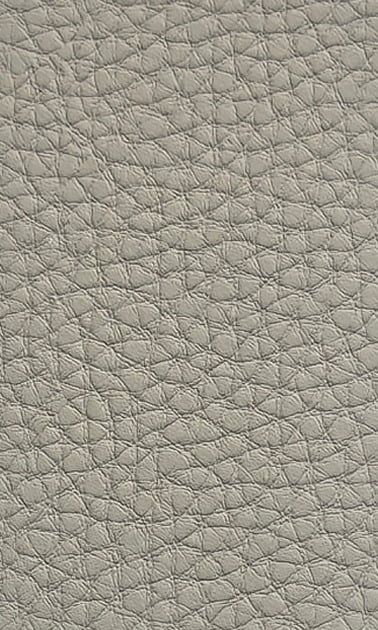
P01
Pebble-grain surface
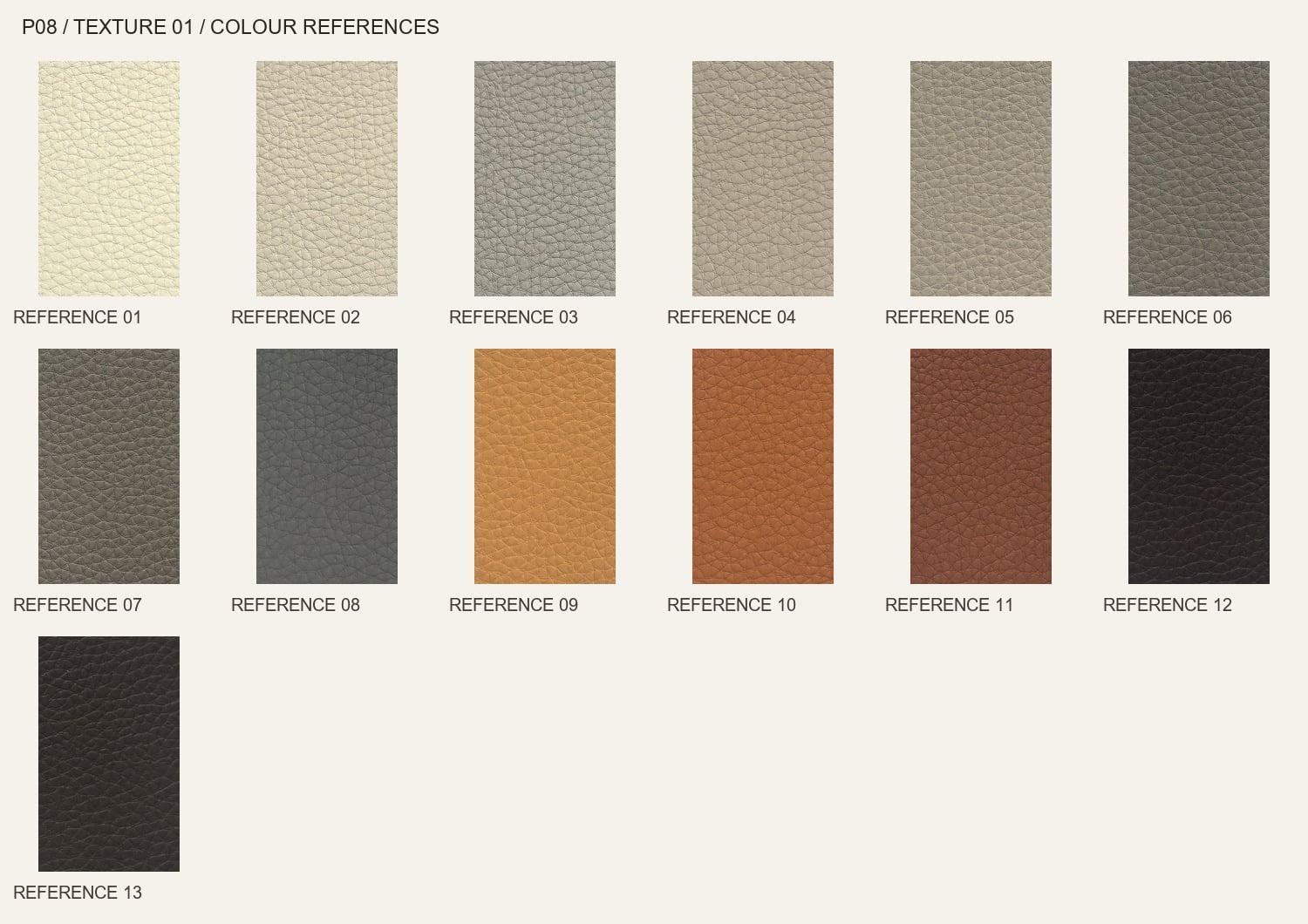
A defined pebble-like grain for opaque cabinet fronts. Compare the detail against the door proportions and the planned edge.

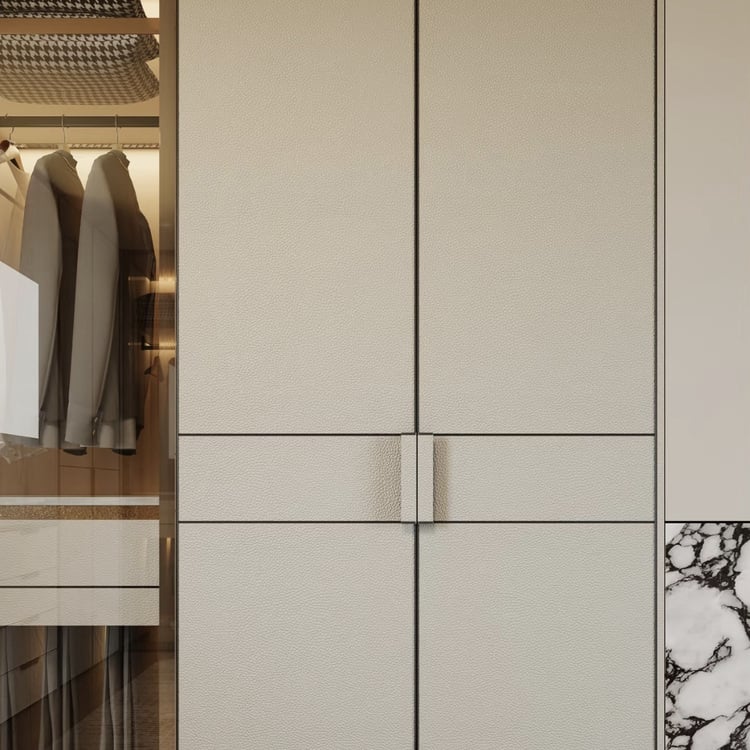
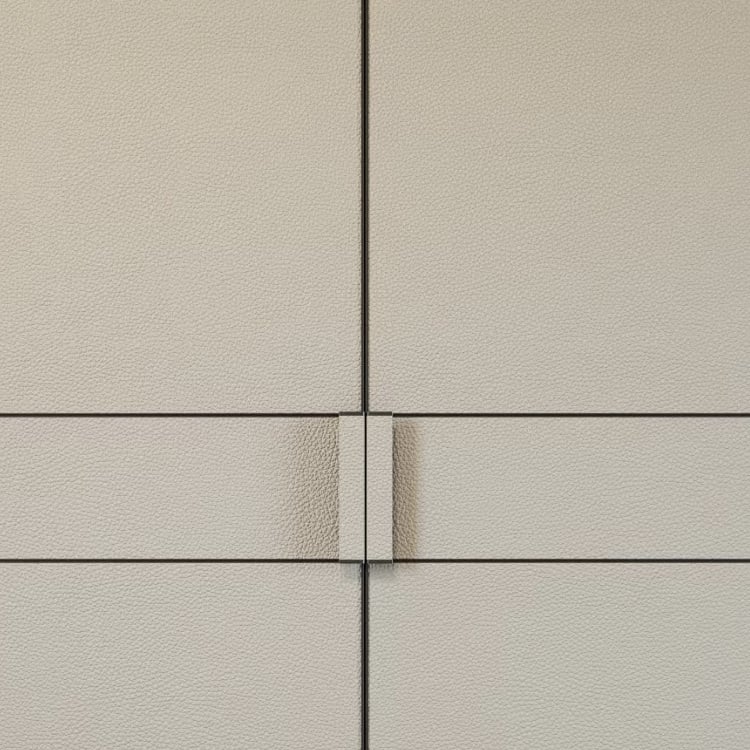
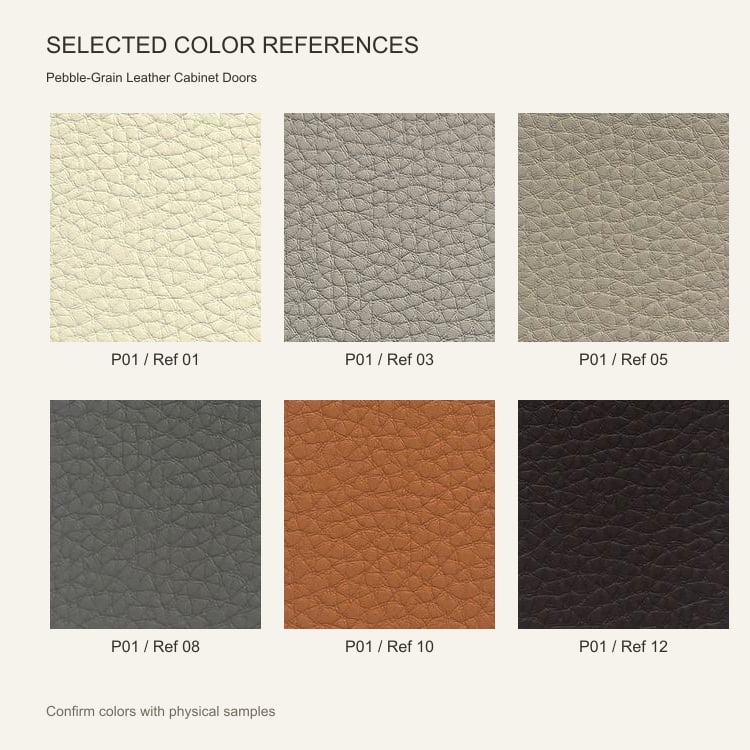
Choose a visible pebble-grain texture for cabinet and wardrobe fronts. Compare the main pebble finish with separate fine-grain, natural-grain-effect and cellular-grain alternatives.
Each surface has its own color selection and material reference. Review samples at the same scale, then send yishimei ESM your cabinet drawings to discuss the selected finish and edge details.
01 / Product design
Pebbled and cellular grain references offer a leather-look finish without a large woven motif. Compare the grain sizes and surface characters before coordinating the fronts with the surrounding cabinetry.
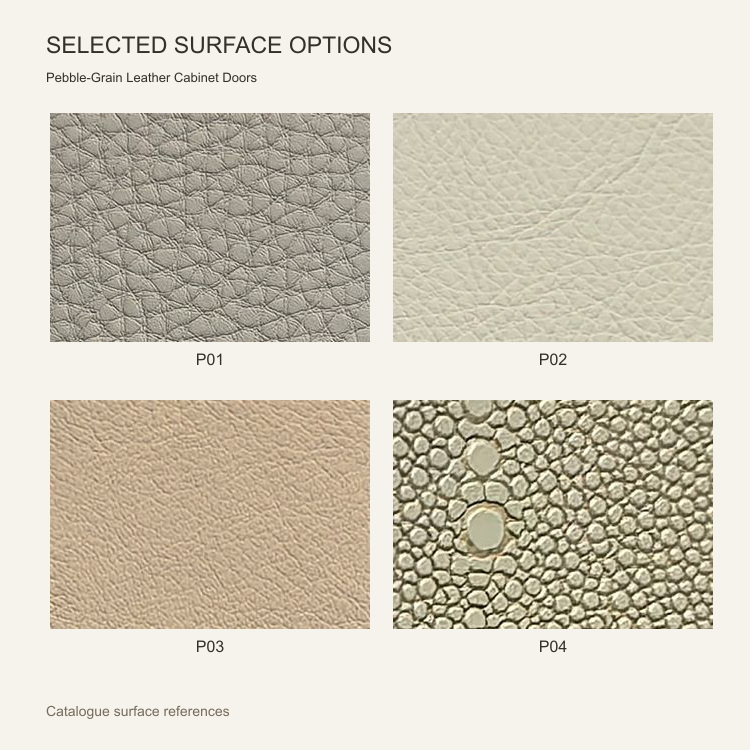
The main pebble-grain option is accompanied by three separate grain references. Their appearance can be compared here, but composition, backing, color range and care requirements must be confirmed for each chosen material.
02 / Texture selection
Select the surface option first, then its color reference. Compare the actual grain, relief, sheen and material specification on a physical sample.
A defined pebble-like grain for opaque cabinet fronts. Compare the detail against the door proportions and the planned edge.

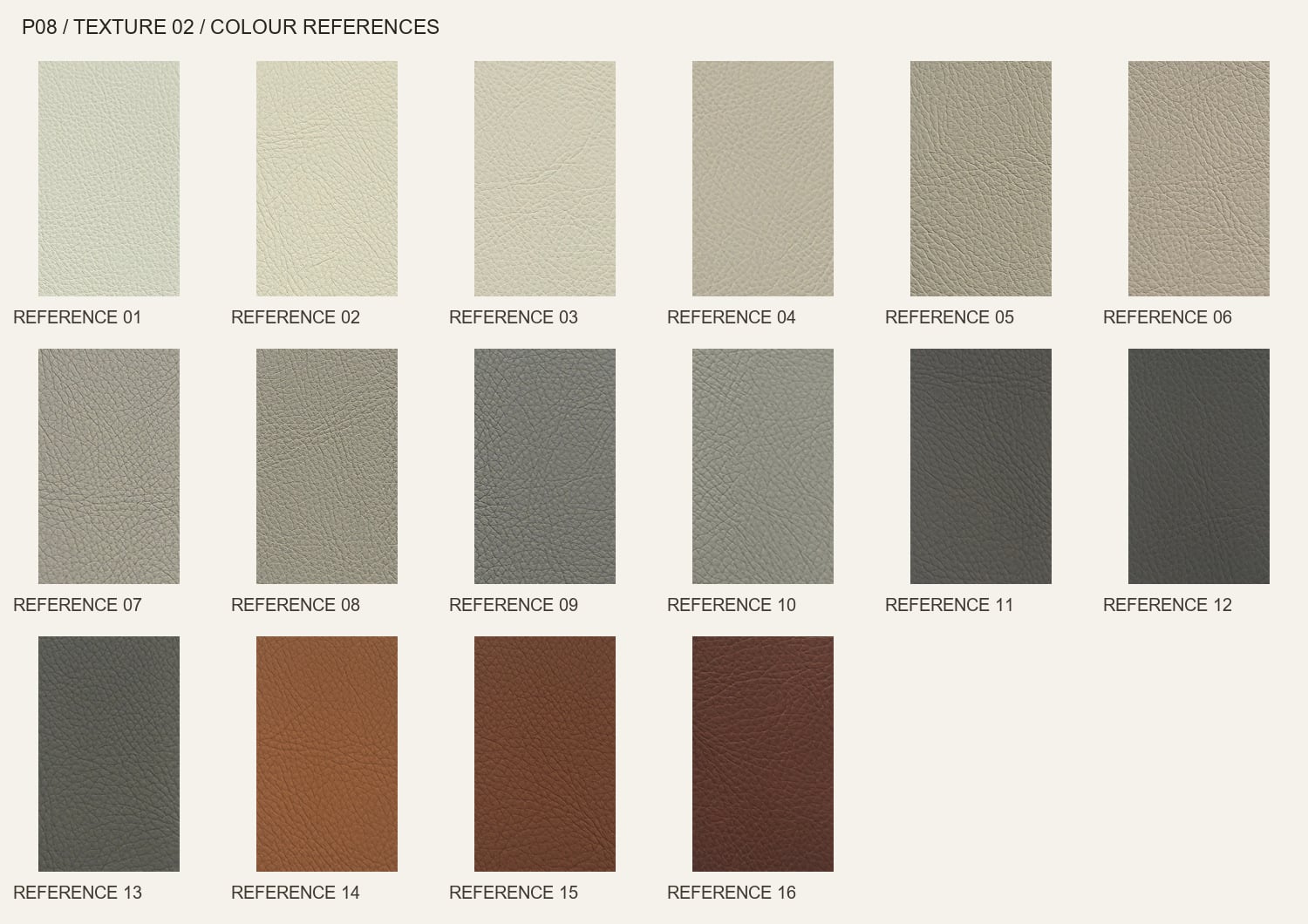
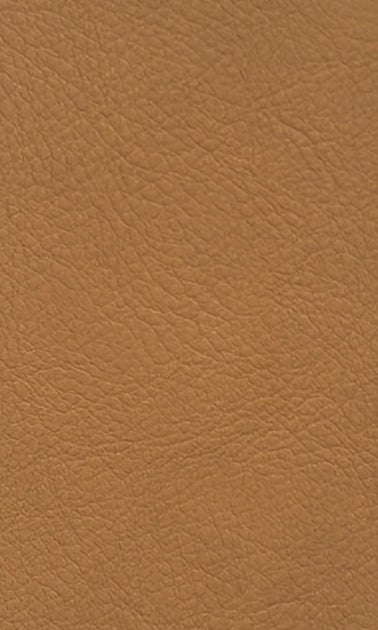
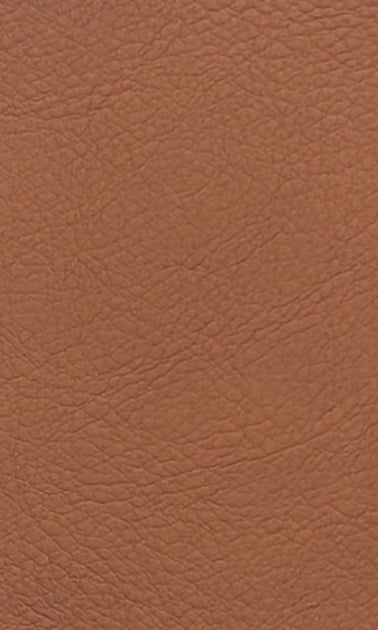
A separate leather-look reference with a smaller visible grain. Review it beside the main pebble option at the same scale.

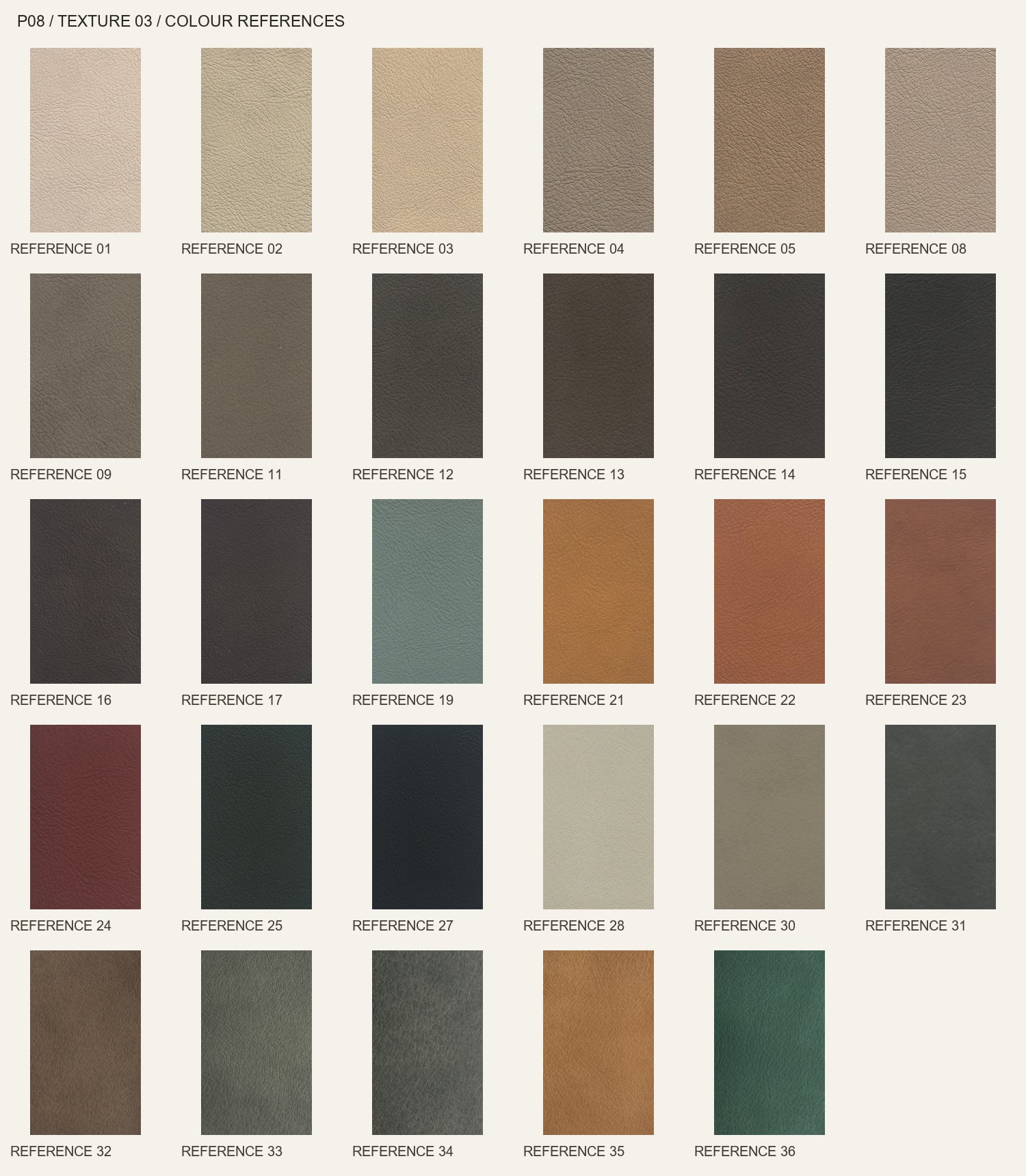
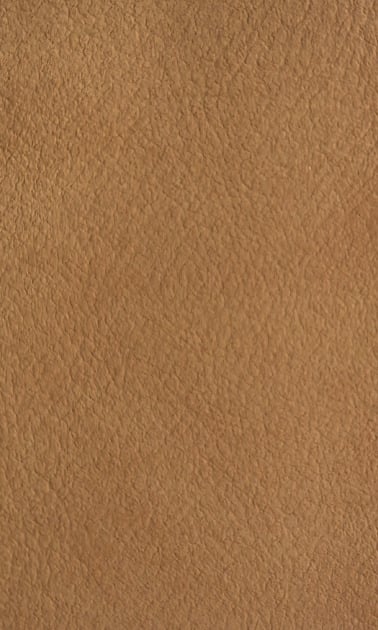
A softer, less regular grain appearance. Confirm the exact sample rather than treating it as the same material as the other options.

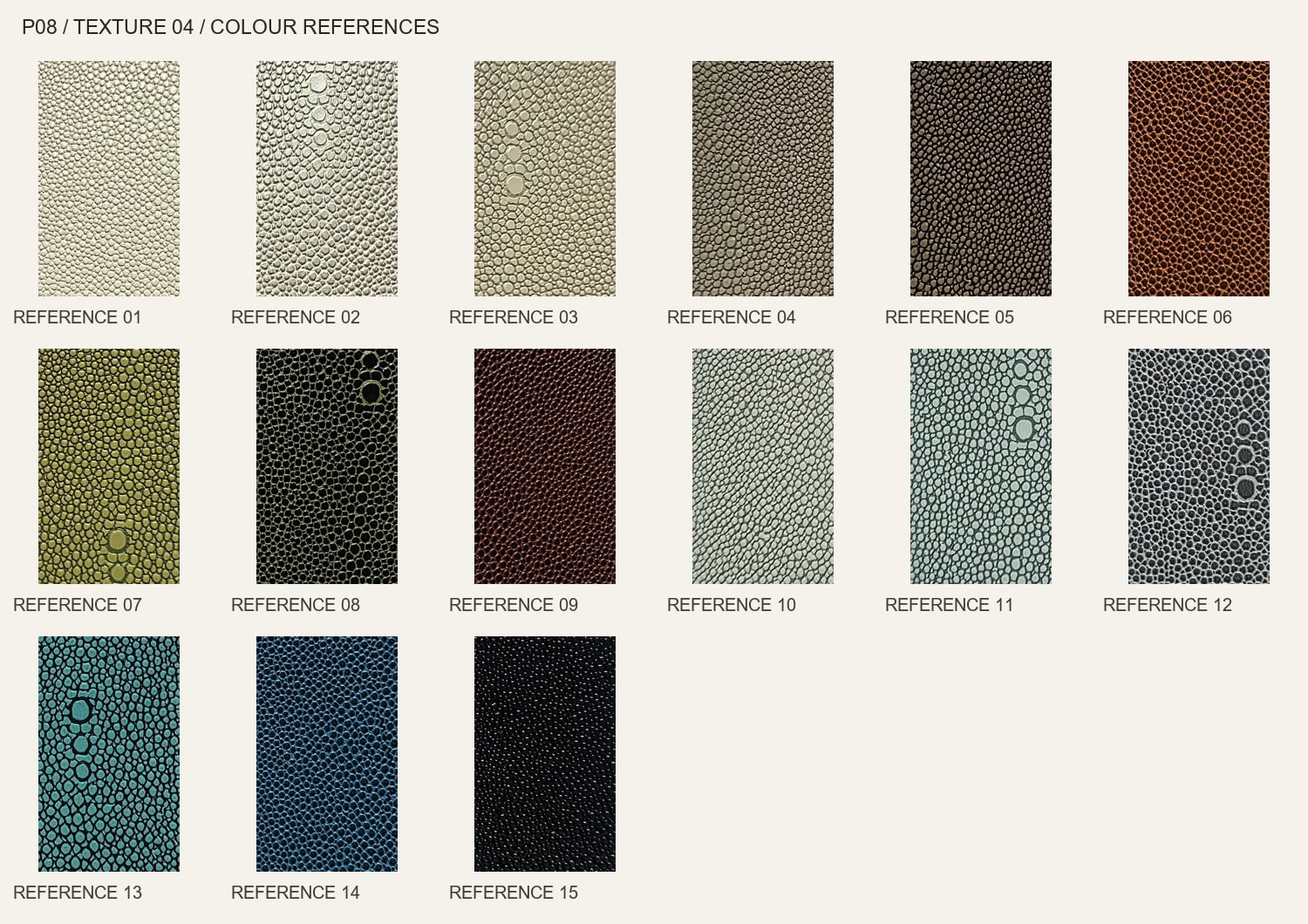
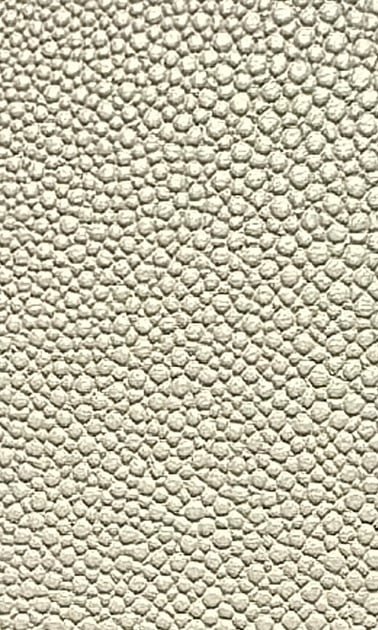
A more pronounced cellular pattern with a distinct visual rhythm. Select its color from its own chart.
Surface names describe appearance or the source material category. Composition, manufacturing method and door construction are confirmed for the selected specification.
03 / Color references
This family contains 73 catalogue color references across 4 surface options. The initial selection below introduces P01. Open each chart to compare the complete range for that option.
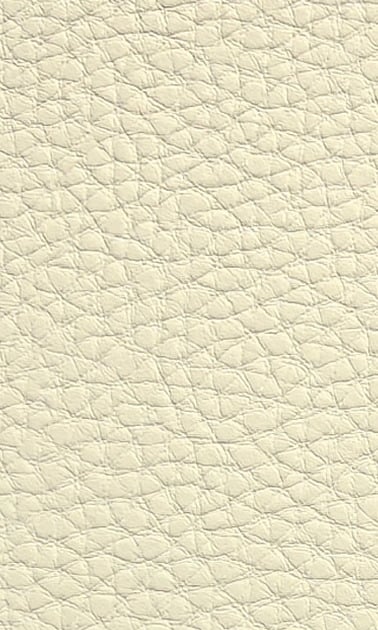
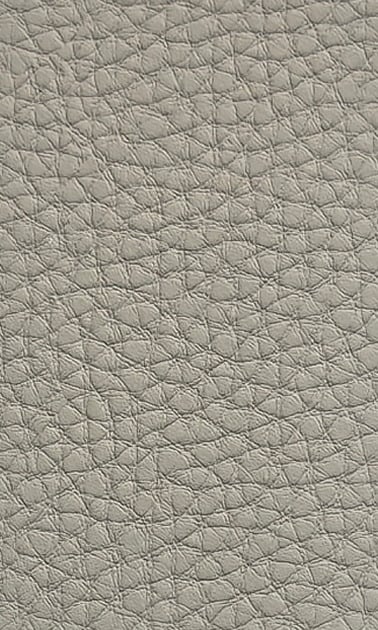
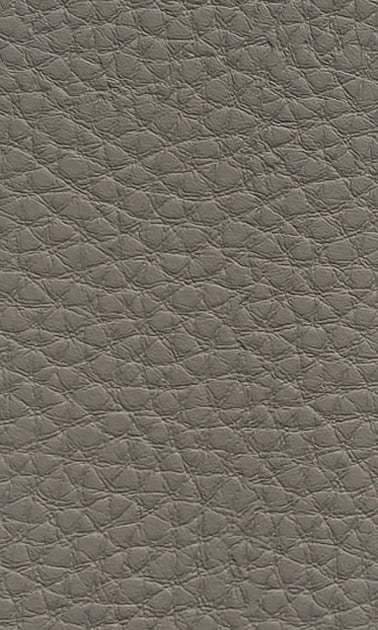

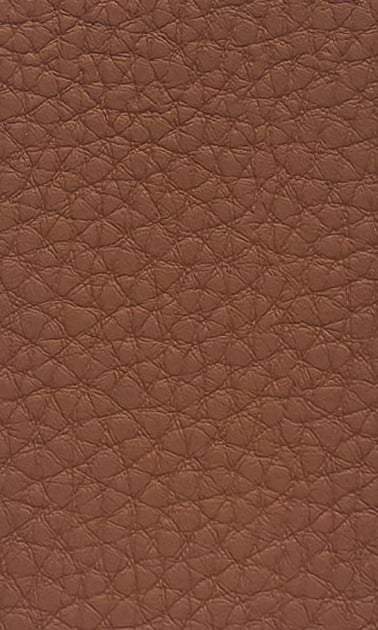

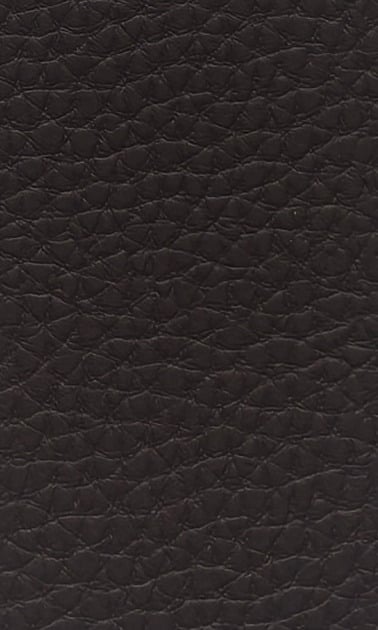
Browse all 13 color references below. Tap a swatch to open its image or complete source chart.
Reference 01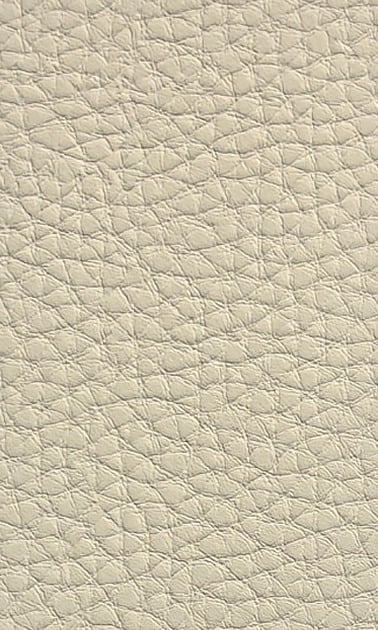 Reference 02Reference 03
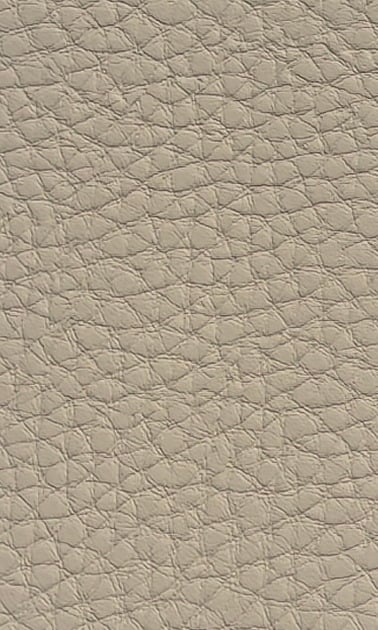 Reference 04
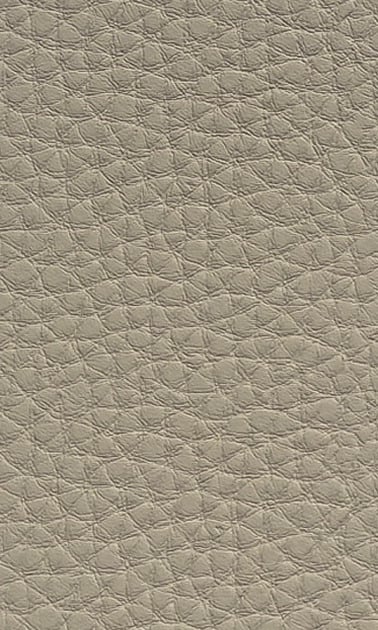 Reference 05Reference 06
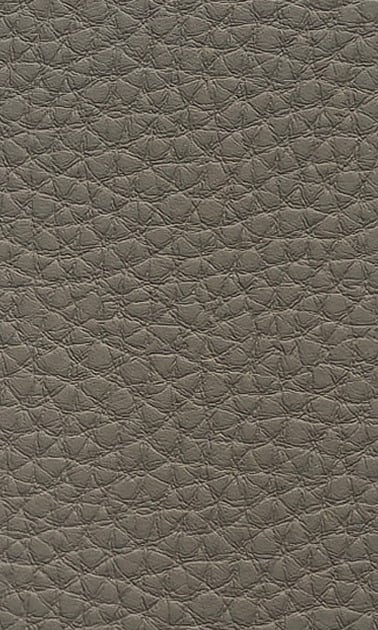 Reference 07Reference 08
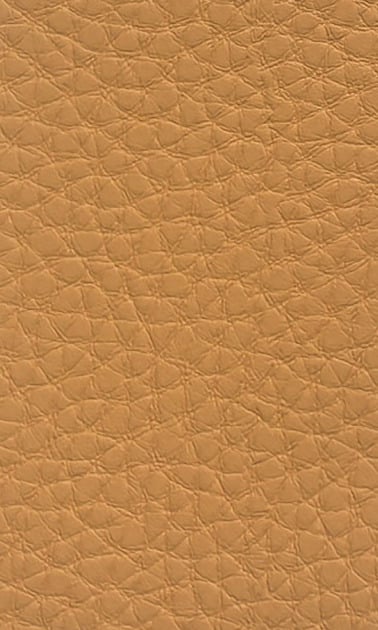 Reference 09
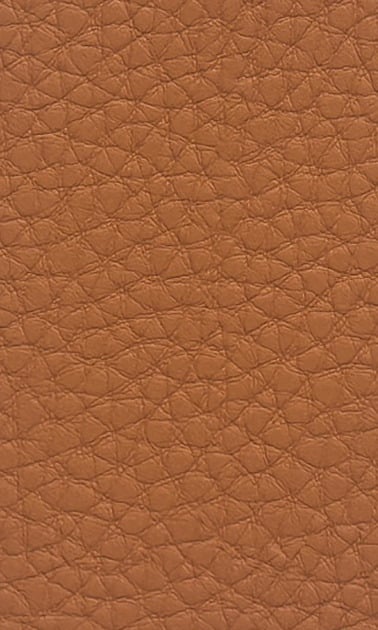 Reference 10Reference 11
 Reference 12Reference 13
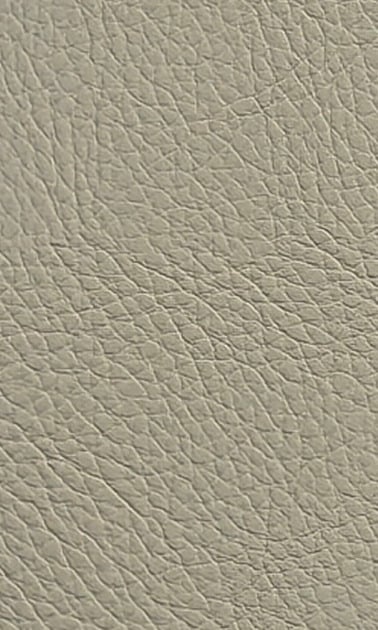
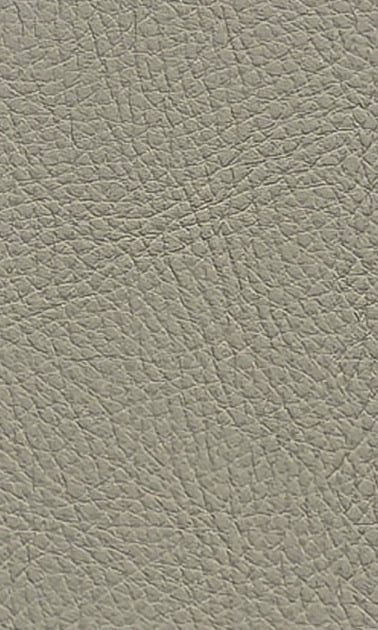
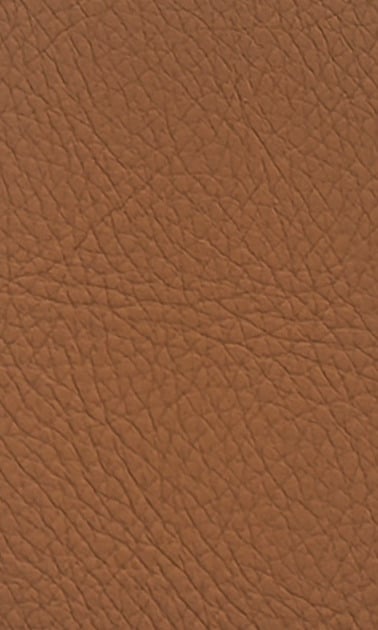
Browse all 16 color references below. Tap a swatch to open its image or complete source chart.
 Reference 01
 Reference 02
 Reference 03
 Reference 04
 Reference 05
 Reference 06
 Reference 07
 Reference 08
 Reference 09
 Reference 10
 Reference 11
 Reference 12
 Reference 13
 Reference 14
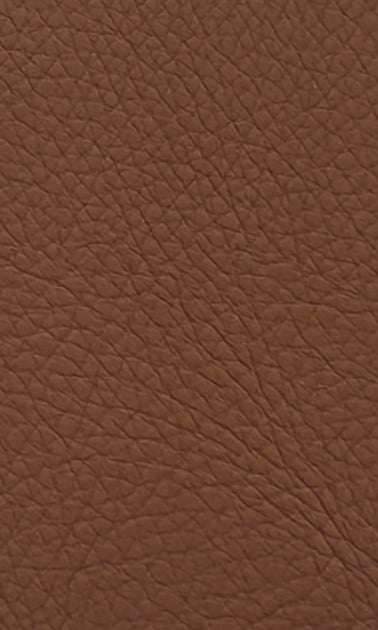 Reference 15
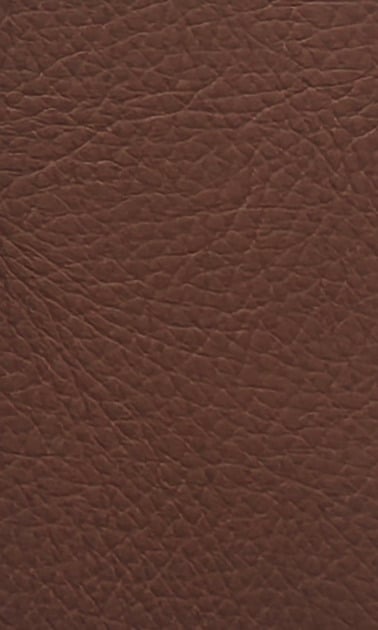 Reference 16
Browse all 29 color references below. Tap a swatch to open its image or complete source chart.
 Reference 01
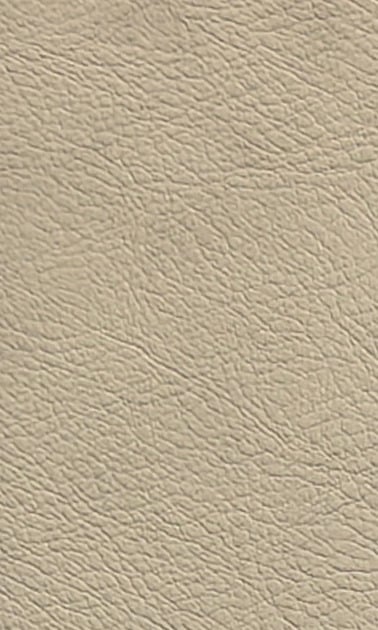 Reference 02
 Reference 03
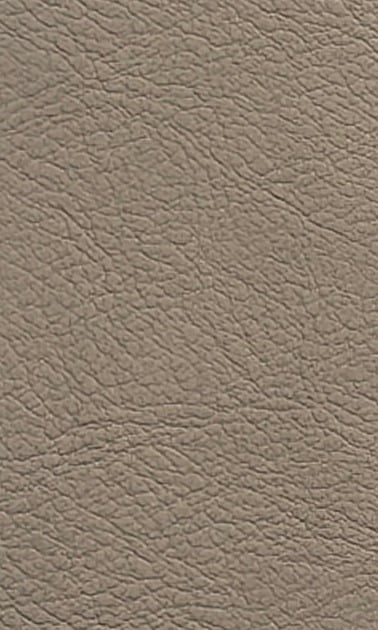 Reference 04
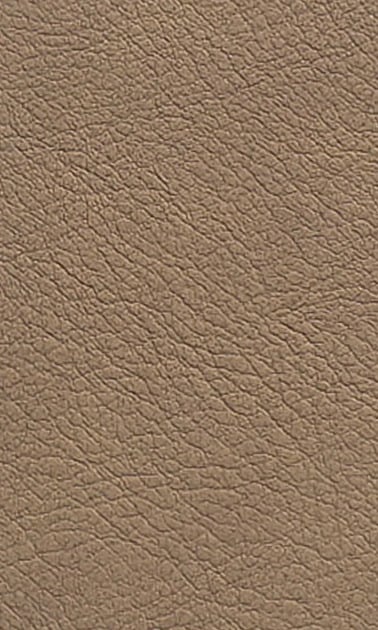 Reference 05
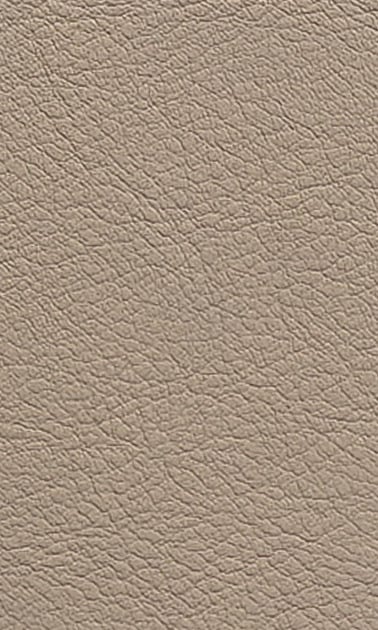 Reference 08
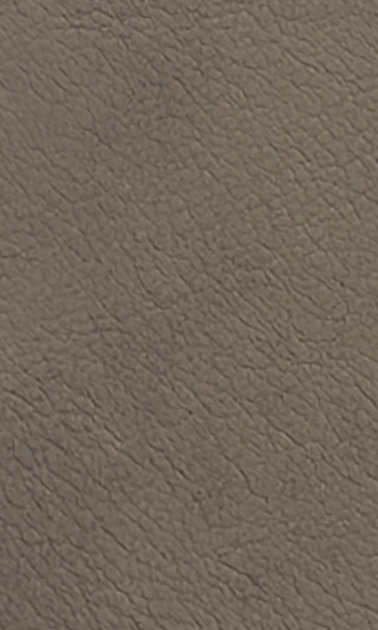 Reference 09
 Reference 11
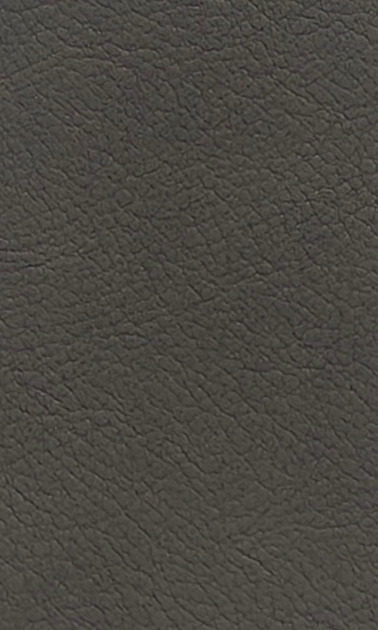 Reference 12
 Reference 13
 Reference 14
 Reference 15
 Reference 16
 Reference 17
 Reference 19
 Reference 21
 Reference 22
 Reference 23
 Reference 24
 Reference 25
 Reference 27
 Reference 28
 Reference 30
 Reference 31
 Reference 32
 Reference 33
 Reference 34
 Reference 35
 Reference 36
Browse all 15 color references below. Tap a swatch to open its image or complete source chart.
 Reference 01
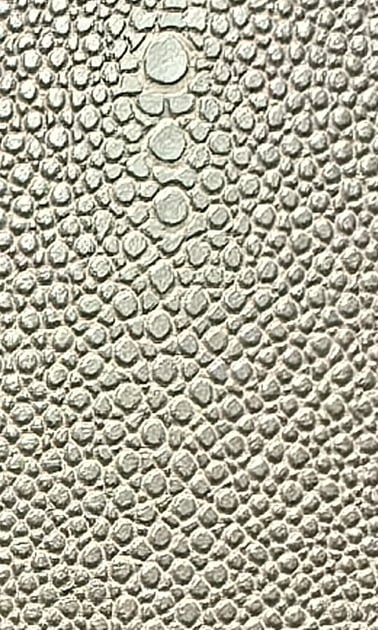 Reference 02
 Reference 03
 Reference 04
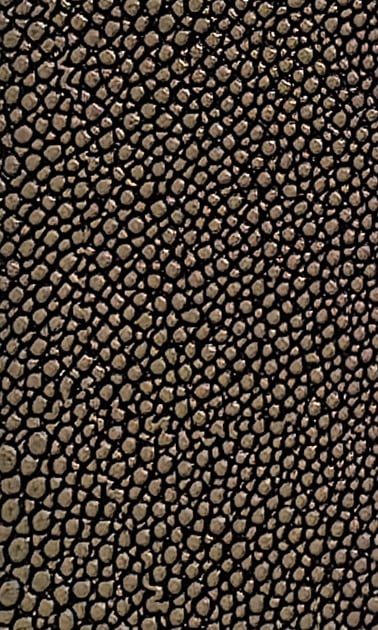 Reference 05
 Reference 06
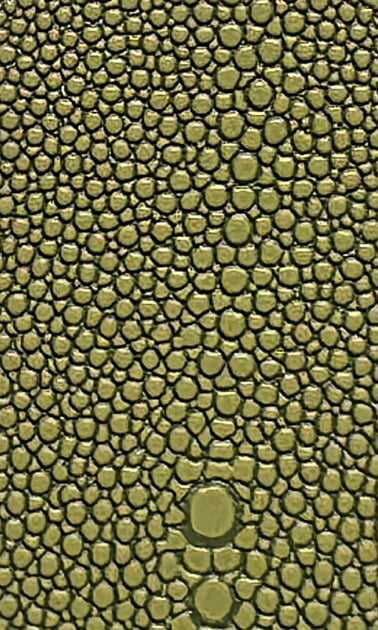 Reference 07
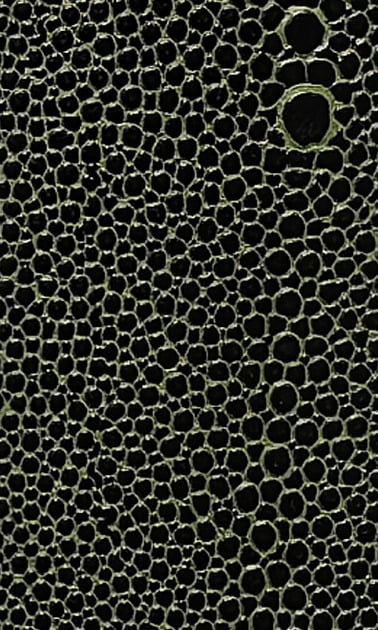 Reference 08
 Reference 09
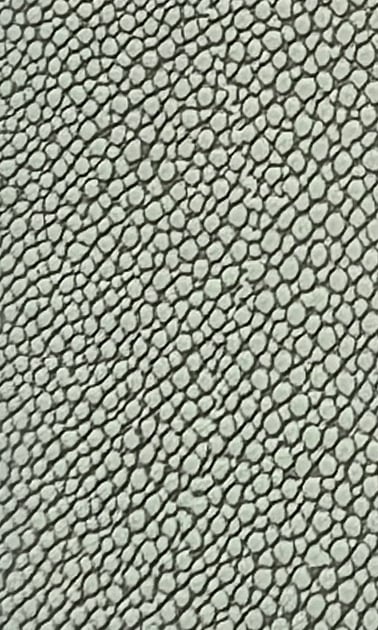 Reference 10
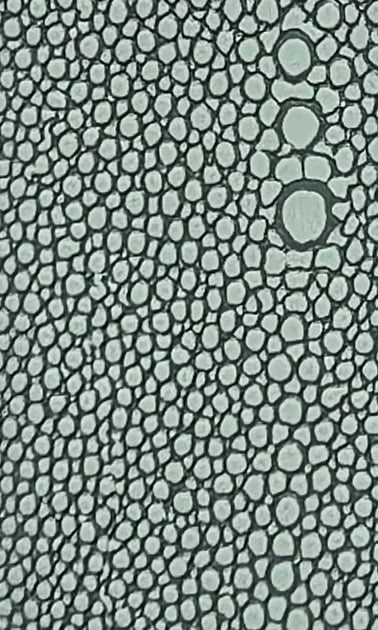 Reference 11
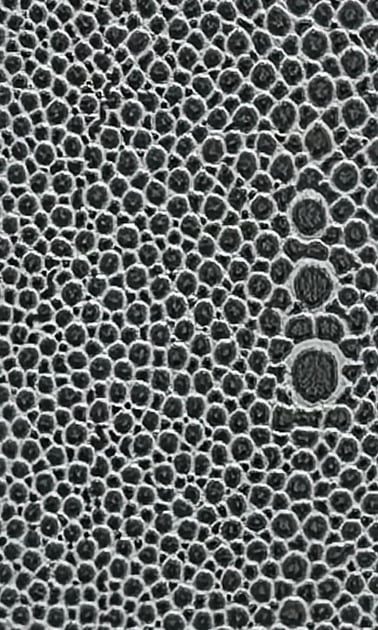 Reference 12
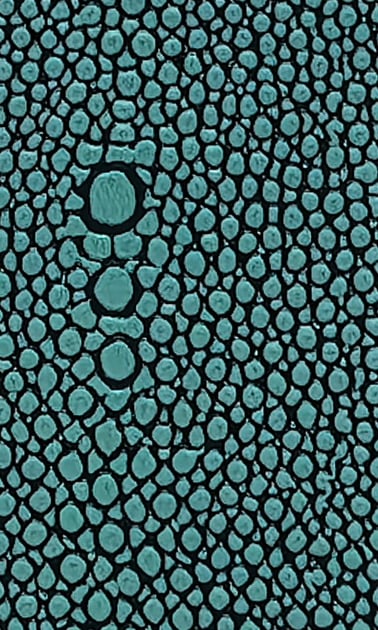 Reference 13
 Reference 14
 Reference 15
Color references are for initial selection. Photography, lighting, displays and batches can affect appearance. A reference number is local to its surface option. Confirm availability and approve a physical sample.
04 / Cabinet planning
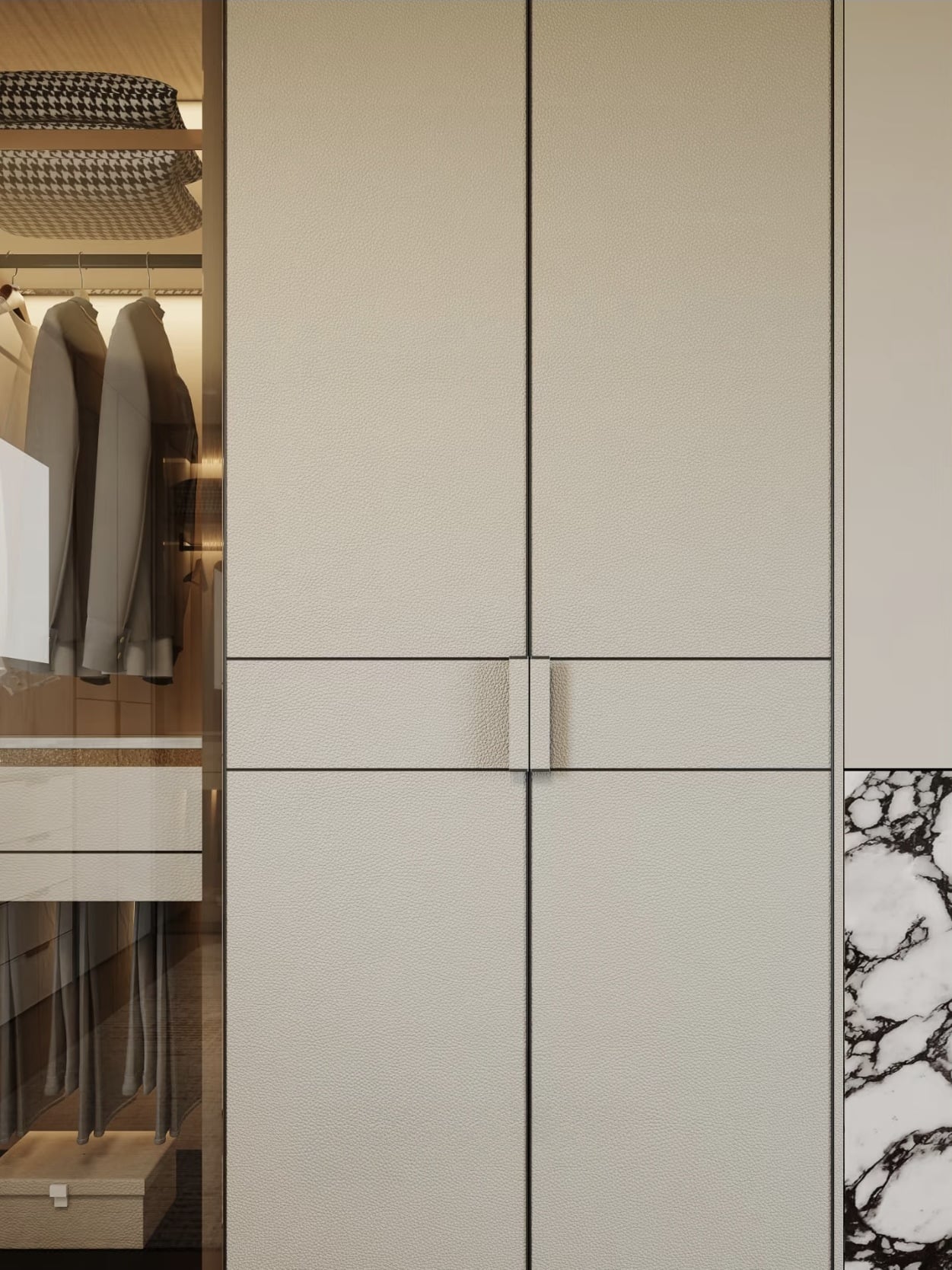
The catalogue cabinet reference places light opaque fronts beside open and glazed storage. Use it to discuss panel divisions and grip positioning. It does not identify every grain option shown on this page, and a room image should not replace approval of the selected material, color and edge.
Send an elevation with each door position, finished height and width, opening direction and grip preference. Include adjacent modules when their alignments affect the design. The drawing is used to review feasibility and quotation scope; the catalogue image alone does not define an assembly.
05 / Surface and edge details
Review the face, edge and reverse junction as one sample. A small grain and a pronounced cellular surface may create different visual transitions at the same border.
Consider how opaque textured fronts balance neighboring glass, wood or open shelving. List those modules separately if they are also required in the quotation.
These surface photographs show appearance. They do not show a door cross-section, edge build-up or tested hardware assembly. Review those details on the approved sample and drawing.
06 / Configuration checklist
Use the following checkpoints to connect the selected finish to your cabinet. Clear door positions and supply requirements make the quotation easier to compare.
Mark the relevant door positions and show the preferred arrangement on the elevation.
Use the selected physical sample to assess this detail before the finish is approved.
Include the proposed grip and any neighboring components that affect fixing or clearance.
Record the approved choice with the material reference so production and replacement requirements are clear.
07 / Project specification
The door is quoted as a defined configuration. Use the table below to state the requirements rather than relying on dimensions or performance inferred from photographs.
| Product scope | Decorative cabinet or wardrobe door fronts in the selected surface. Identify whether the enquiry requires door leaves only, frames, hardware or a complete cabinet package. |
|---|---|
| Surface and color | P01 — Pebble-grain surface; P02 — Fine grained alternative; P03 — Natural-grain effect alternative; P04 — Cellular-grain alternative. Quote the option and its own color reference together. |
| Finished dimensions | Provide height × width for every leaf, quantity per size and any required thickness. Feasible sizes and total door thickness are confirmed after construction review. |
| Core, backing and edges | Specify the proposed core, reverse face, edge treatment and any perimeter profile. Final construction is confirmed with the quotation and sample. |
| Opening and hardware | State the preferred opening system, hinge or track requirements, grip type and installation conditions. Compatibility and included components need confirmation. |
| Material width | Any roll-width information in the catalogue refers to surface material. It does not establish a finished door size; material thickness is also separate from total door thickness. |
| Project and delivery | Provide intended room use, destination country, quantity and target schedule. Confirm sample arrangements, minimum order, lead time, packing and delivery terms for the selected configuration. |
08 / Sampling and order process
Keep the surface sample and the door drawing connected throughout selection. This helps resolve appearance and assembly details before production is confirmed.
Send door sizes, quantities, the cabinet drawing, destination and the preferred surface and color references.
Confirm texture, color, sheen and the proposed edge or corner. Request a finished sample when the assembly detail matters.
Review the door construction, grip arrangement, hardware scope and drawing with the quotation before placing the order.
Agree availability, production schedule, packing, inspection requirements and delivery terms for the approved configuration.
09 / Frequently asked questions
Their similar use and appearance do not establish the same composition. Select the option first, then confirm its material specification, backing and any required test data.
Each option has an independent color chart. Quote the option identifier and its color reference together; a matching number in another chart does not establish an identical color.
It is a catalogue cabinet-style reference. The exact grain and color must be confirmed against a material sample or a verified sample door for the selected option.
Send the finished size of each leaf, quantity, cabinet elevation, selected surface and color, preferred opening system and grip, plus the delivery destination. Identify whether profiles, hardware and adjacent cabinet modules are included in your request.
They are catalogue references for shortlisting. Lighting, photography, display settings and material batches affect appearance. Confirm current availability and approve a physical sample in the chosen surface; a displayed image is not a stock commitment.
Those items are confirmed for the selected door configuration. The surface material photograph does not establish the core or the total thickness. Ask the quotation to state the backing, edge treatment, opening system and included hardware clearly.
They depend on the chosen surface, door configuration, material availability, quantity and destination. Include your target schedule and sample requirements with the enquiry, then confirm the order and delivery terms in the quotation.
Request care guidance for the approved surface and assembly. Confirm intended room conditions and compatible cleaning products. Different leather-look materials can have different requirements, so do not apply one care or performance assumption to every option.
Pebble-Grain Leather Cabinet Doors
Share the finished door sizes, quantity, selected surface and color references, grip preference, cabinet drawing and destination country. We can then review the configuration and confirm the supply scope.
Our professional sales team is ready to assist you.