 EN
EN
Qëndrueshmëri Superiore dhe Rezistencë ndaj Kushteve të Jashtme
Rezistencë ndaj korrozionit në ambiente me lagështi, zonat bregdetare dhe hapësirat me trafik të lartë brenda shtëpisë
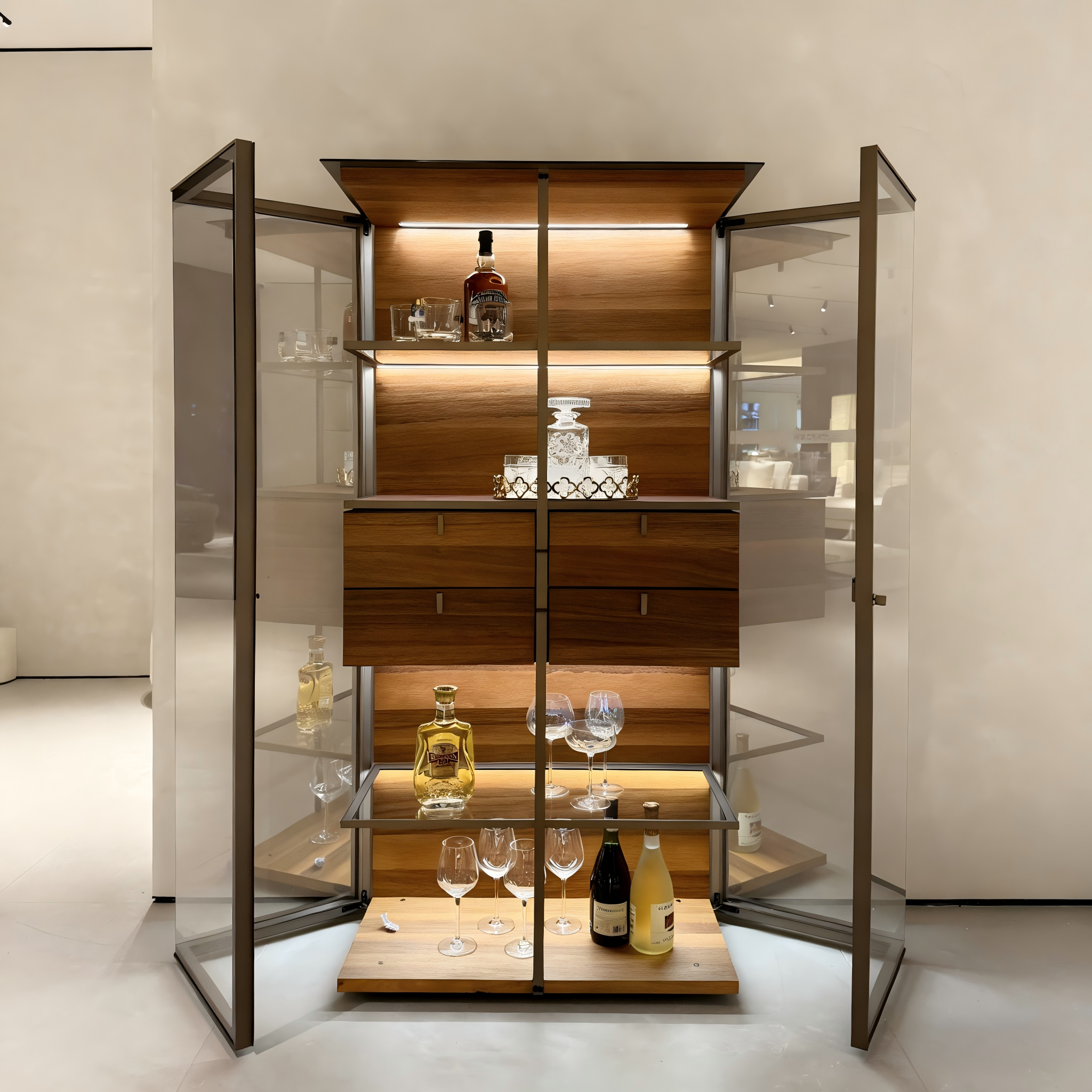
Kabinetet e gardërobeve bërë prej aluminiumi thjesht nuk ngrihen me pllakë ose jo shkatërrohen kur vendosen në vende të lagështa si shtëpitë pranë bregdetit apo banjot me shumë lagështi. Pse? Aluminimi krijon një lloj mbulesë natyrale mbrojtëse sa herë që takohet me oksigjenin në ajër, e cila e mbron atë nga korrozioni gjatë kohës. Metalet ferike kanë nevojë për shtresa speciale për t’i penguar ngrenien me pllakë, por aluminumi thjesht nuk ka nevojë për këtë hap shtesë. Kjo është arsyeja pse aq shumë shtëpi të shtresës së lartë bregdetare, spa dhe ndërtesa komerciale me nivele konstantisht të larta lagështie zgjedhin zgjidhje ruajtjeje prej aluminiumi. Testet që përshpejtojnë efektet pas dekadave pranë detit tregojnë se këta kabinete rezistojnë shumë mirë ndaj dëmeve nga uji i kripur. Ndërsa druaja dhe çeliku fillonin shpesh të tregojnë probleme brenda disa viteve, aluminumi vazhdon të funksionojë mirë edhe pas periudhash të gjata në kushte të ashpra.
Përshtatje me rregullat e sigurisë nga zjarri dhe performancë pa VOC, pa formaldehid
Për shkak se aluminia nuk digjet, ai merr një klasifikim të lartë të zjarrit, Klasa A, sipas standardeve ASTM E84. Prandaj, ndërtuesit e zgjedhin shpesh për komplekset e apartamenteve ku rregulloret e zjarrit janë të ashpra. Meqenëse aluminia është në thelb thjesht metal pa asnjë lloj lënde organike, nuk ka nevojë të ngjitet gjëkundi apo të shtohen kimikate gjatë prodhimit. I tëri procesi prodhon plotësisht zero komponime organike të volatshme (VOC). Testet nga laboratorët e palës së tretë tregojnë se ky material i plotëson kërkesat e cilësisë së ajrit të vendosura nga Standardi WELL për Ndërtesa. Gjithashtu, meqenëse nuk përmban fare formaldehid, ai përshtatet menjëherë me rekomandimet e Organizatës Botërore të Shëndetësisë që e liston formaldehidin si një rrezik kancerogjen. Një avantazh tjetër? Materiali reziston natyrshëm formimit të mildiut edhe kur ekspozohet ndaj lagështisë, gjë që ul alergjenët brenda ndërtesave pa penguar sigurinë apo bërë ajrin të mbajë erë të keqe.
Estetika Arkitekturore dhe Integrimi i Dizajnit
Shprehje minimale: profile ultra të holla ( ≈vijat e dukshme 12 mm) për integrim të bezë paralel me xhamin/pasqyrën
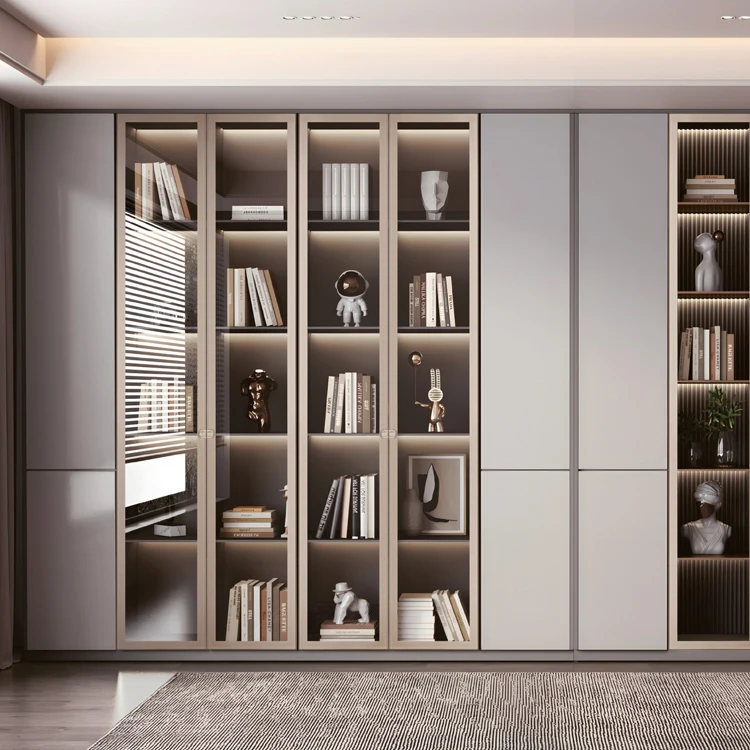
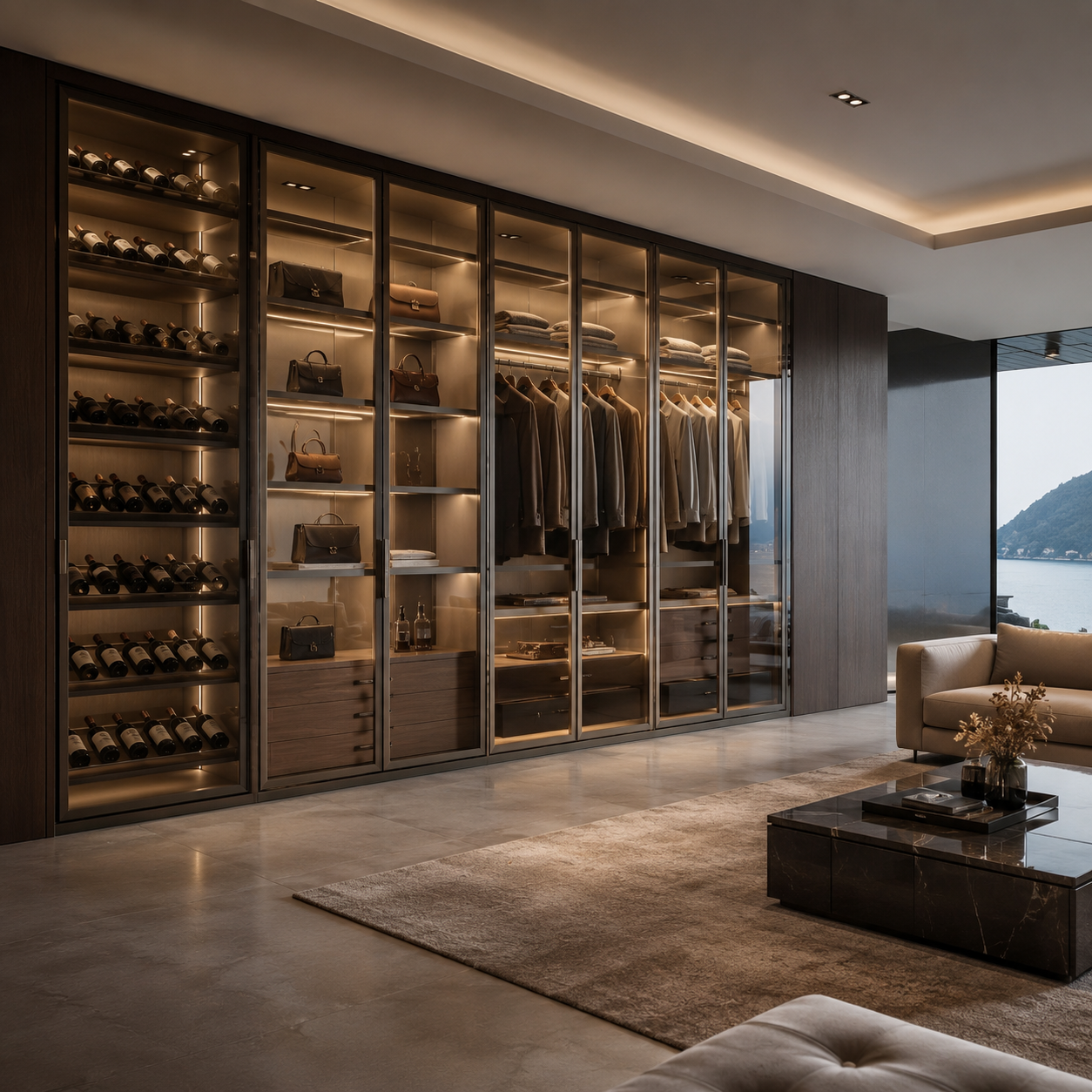
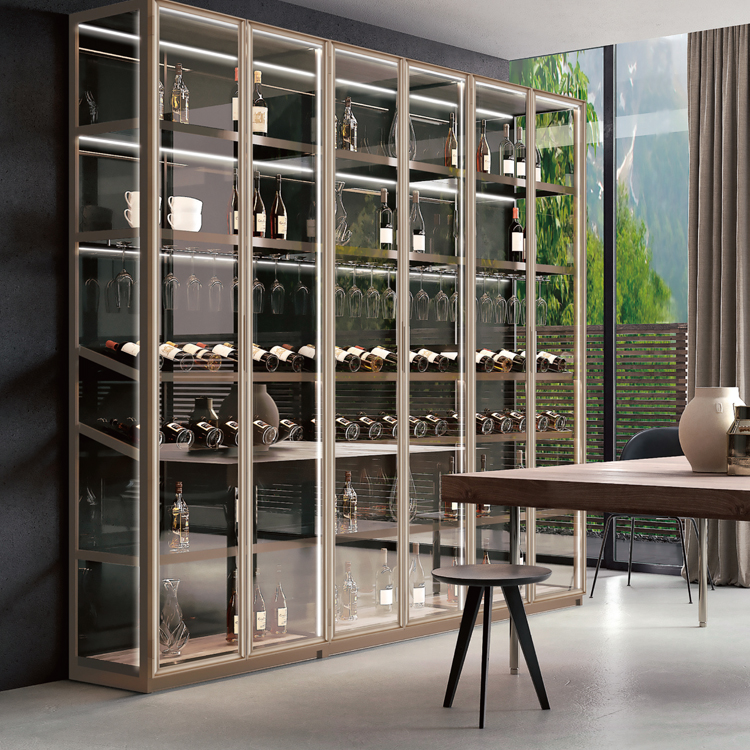
Garderob prej aluminimi kabinetet mund të zhduken plotësisht në mure falë kornizave shumë të hollë që matin më pak se 12 mm trashësi. Këto profile të vogla lejojnë që pasqyrat të përzihen pa probleme me sipërfaqet e murit ngjitur, pa çarje ose boshlliqe të dukshme. Rezultati? Pasqyrim i gjatë dhe i paprekur që bën që dhomat të duken më të mëdha sesa janë në realitet, gjë që është një ndryshim i madh për apartamente të vogla në qytete ose ato banjo të shtrenjta të hotelit ku çdo centimetër ka rëndësi. Një tjetër avantazh i madh i aluminimit është se nuk deformohet ose lakohet me kalimin e kohës si produktet e drurit zakonisht. Kjo do të thotë që ato vija të sakta do të mbeten të mprehta për vite të tëra, ndryshe nga materialet kompozite më të lira që fillonin të bien vetëm pas disa stinëve.
Përfundim ing shumëfunksionaliteti —opsione anodike metalike, me model druri dhe efekti guri për skema të koherente brenda ambientit
Aluminiu ka një sipërfaqe që funksionon shumë mirë me metodat elektrostatike të përfundimit. Këto teknika mund të vendosin drejtpërdrejt në metal vetëm modele realiste të grurës së drurit, tekstura si guri dhe efekte të metalit të fërkuar. Çfarë bën këto përfundime të veçanta? Ato ruajnë ngjyrën e tyre për vite të tëra pa zhbluar, janë rezistente ndaj vrazhdimeve dhe mbeten të qëndrueshme edhe kur ekspozohen në kushte të rënda. Mendoni se si mbijetojnë ato si humidesia e banjos pas një duši të nxehtë, ashtu edhe drita e fortë e diellit në dhomën e gjumit gjatë ditëve të verës. Kur aplikohen nëpër zona të ndryshme të një shtëpia , nga dyert kryesore deri te dhomat e qëndrimit dhe hapësirat private, mobiljet e kuzhinës bashkohen në mënyrë të papërceptueshme. Efekti vizual krijon harmoni midis materialeve të përdorura në tërë hapësirën, dhe sipërfaqet ndihen sofistikuar edhe kur i preken.
Eficienca Strukturale dhe Përshtatshmëri e Hapësirës me Personalizim
Një raport i lartë forcë-peshë që lejon dizajne kabineti prej alumini nga dyshemeja deri në tavan, me konsolë dhe profile të ngushta
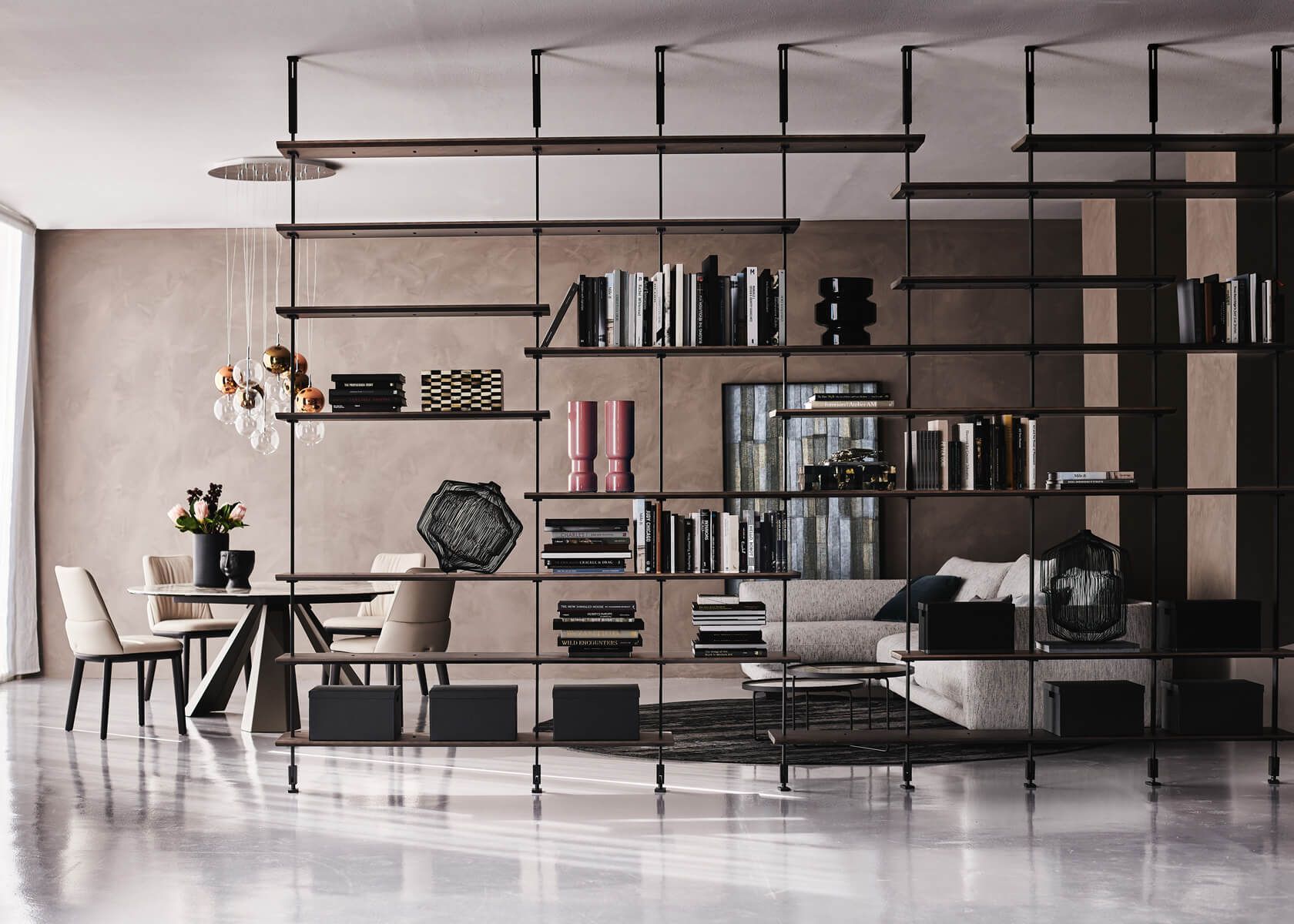
Aluminiu ka një raport shumë të mirë rezistencë-peshë në krahasim me çelikun. Ai peshon rreth një të tretën sa çeliku, por mund të mbajë ngarkesa të ngjashme, gjë që i jep dizajnerve shumë më tepër fleksibilitet sesa kanë pasur më parë me materiale më të rënda. Shumë arkitektë e shfrytëzojnë këtë kur krijojnë gjëra si garderoba nga mur në mur që nuk kanë nevojë për mbështetje të dukshme, raftinj fluturues që duken sikur janë të varur në ajër, dhe zgjidhje shumë të holla depozitimi me thellësi më pak se 20 cm, ideale për korridore të ngushta ose për kthimin e çardhakëve. Materiali mbetet stabil edhe kur është i ngarkuar për periudha të gjata, kështu që nuk ka probleme me uljen apo lakimin me kalimin e kohës. Për shkak të fortësisë së tij në lidhje me peshën, përdorimi i aluminisë zvogëlon sasinë e punës së nevojshme në vendet e ndërtimit, përshpejton kohët e instalimit dhe në fakt ul nevojat strukturore të ndërtesave. Të gjitha këto faktorë e bëjnë të mundur arritjen e dizajneve të pastërta dhe precize, duke mbetur praktikisht të mjaftueshme për hapësirat moderne të kompaktuara të jetesës.
Përputhja me Qëndrueshmërinë dhe Parasitë e Jetës
riciklim 95%+ dhe kontribut në kredite LEED/WELL - një faktor diferencues kyç për projektet me certifikim të gjelbër
Kabinetet e gardërobave nga aluminimumi ndihmojnë me të vërtetë në ndërtimin qarkullor sepse mund të riciklohen shumë mirë. Më shumë se 95% e materialeve nga aluminiumi mbeten të përdorshme përjetësisht kur ripërpunohen, duke kursyer rreth 95% të energjisë që nevojitet për prodhimin e produkteve të reja nga zero. Kjo aftësi riciklimi jep një shtesë të madhe pikësh për certifikimin LEED për përdorimin e materialeve të ricikluara dhe të përdorura përsëri. Gjithashtu, është provuar dhe konfirmuar se aluminiumi lëshon sasi shumë të vogla të substancave të dëmshme, gjë që i plotëson standardet e programit WELL Building për zgjedhjen e materialeve me përgjegjësi. Ky material zgjat edhe dekada falë rezistencës së tij të lartë ndaj korrozionit, stabilitetit edhe kur ndryshojnë temperaturat dhe qëndrueshmërisë nën stres fizik. Meqenëse zëvendësimet ndodhin shumë rrallë, kjo do të thotë se më pak burime harxhohen gjatë kohës. Arkitektët që duan që ndërtesat e tyre të arrijnë objektivat e vështirë të karbonit neto-zero si gjatë veprimtarisë ashtu edhe gjatë ndërtimit, e gjejnë aluminimumin si një zgjedhje inteligjente që funksionon tani dhe do të vazhdojë të funksionojë për vite të tëra.
Pyetje të Shpeshta
Si krahasohet aluminiumi me çelikun në lidhje me fortësinë?
Aluminiumi ka një raport të lartë fortësie-peshë në krahasim me çelikun. Ai peshon rreth një të tretën sa çeliku, por mund të bartë ngarkesa të ngjashme, duke ofruar fleksibilitet dizajni pa kompromentuar integritetin strukturor.
A janë kabinetet e garderobës nga aluminiumi miqësishëm me ambientin?
Po, kabinetet e garderobës nga aluminiumi kanë mbi 95% shkallë riciklimi dhe konsiderohen një zgjedhje e qëndrueshme për projektet me certifikatë të gjelbër. Ata kursen energji gjatë procesit të riciklimit dhe kontribuojnë pozitivisht në certifikimet LEED/WELL.
Cilat janë përfitimet e kabinetave nga aluminiumi pa VOC?
Kabinetat e aluminimit pa VOC prodhohen pa përdorur komponime organike të nxitshme (VOC), gjë që kontribuon në një cilësi më të mirë të ajrit brenda ambienteve të mbyllura. Ata respektojnë standardet e sigurisë kundër zjarrit dhe janë rezistentë ndaj formimit të moldit, duke reduktuar alergjenët në ambiente të mbyllura.