 EN
EN
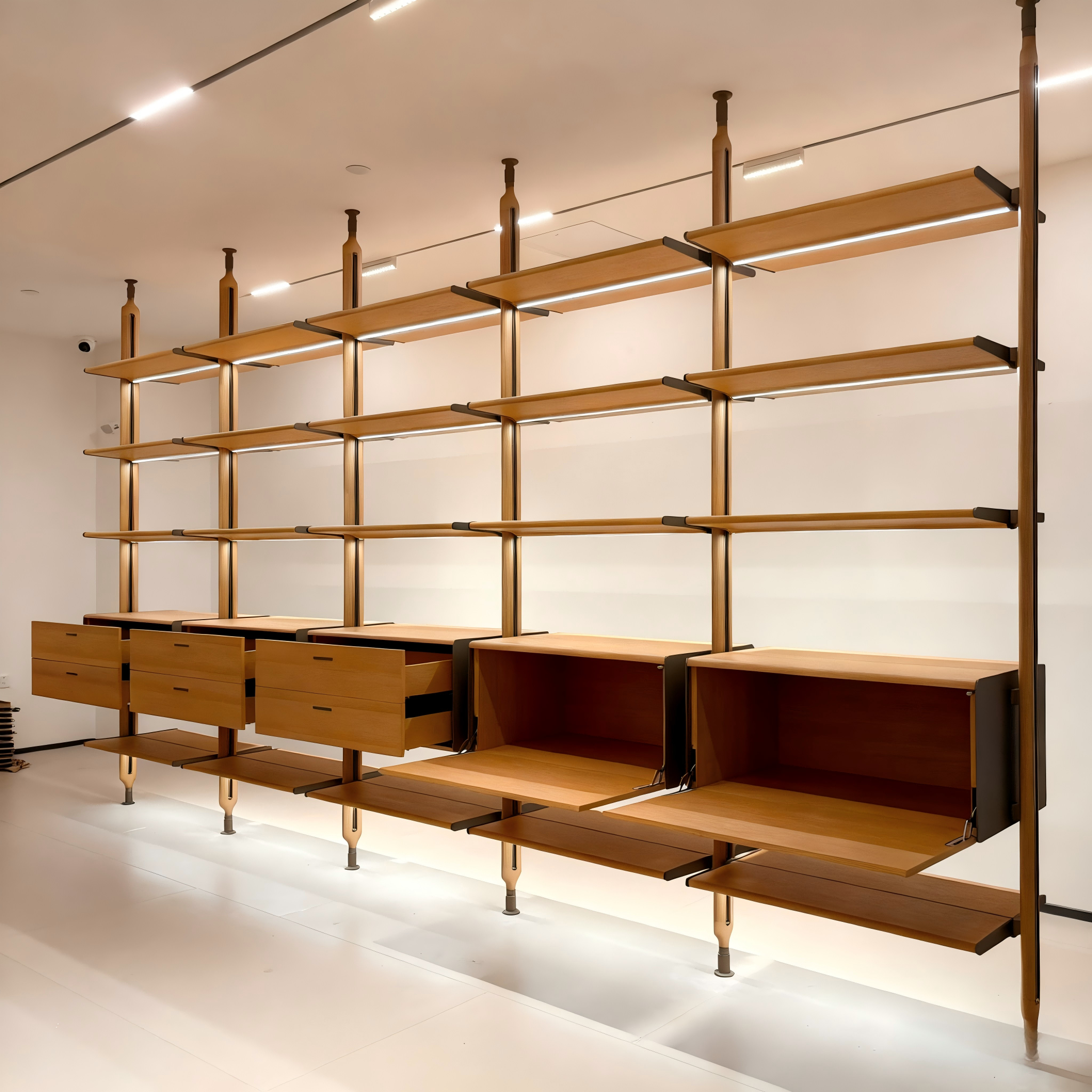
Floating aluminum shelves represent a modern approach to storage and display that combines functionality with contemporary aesthetics. These shelves have become increasingly popular in both residential and commercial environments because they offer clean lines, durability, and a minimalist appearance that complements various interior design styles. Understanding the design principles behind floating aluminum shelves helps homeowners, designers, and facility managers make informed decisions when selecting shelving solutions. Floating aluminum shelves eliminate the need for visible support brackets, creating a seamless look that enhances any room's visual appeal while providing practical storage capacity.
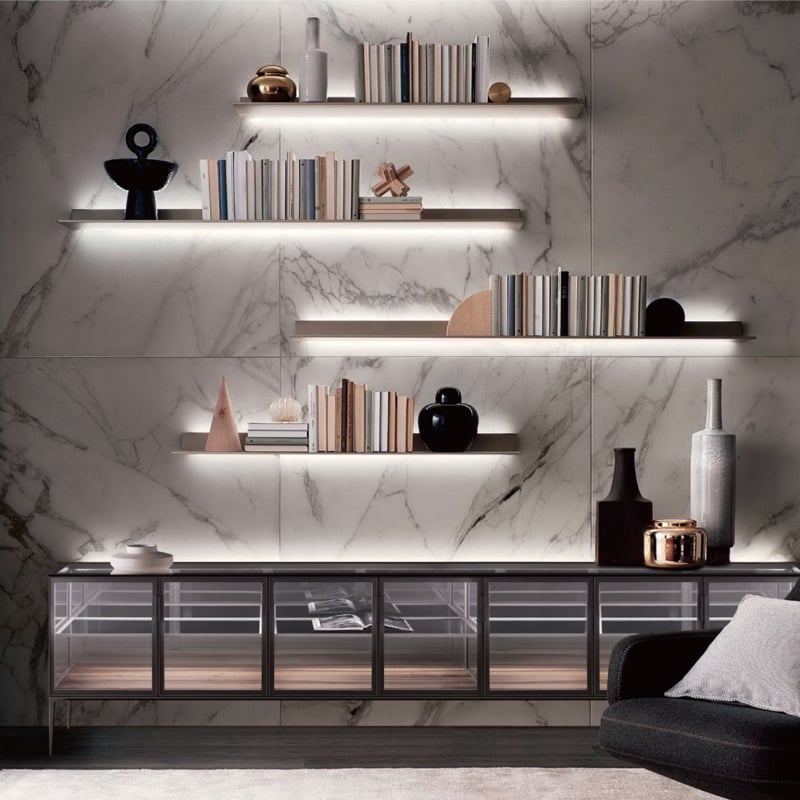
The design evolution of floating aluminum shelves reflects changing consumer preferences for open, uncluttered spaces. Modern interior design increasingly favors minimalist approaches where hidden structural elements allow the displayed items to take center stage. Floating aluminum shelves deliver this aesthetic while maintaining exceptional strength and longevity. The material selection, bracket configuration, and finish options all contribute to how floating aluminum shelves perform and appear in any setting, making design understanding essential for successful implementation.
Core Design Principles of Floating Aluminum Shelves
Material Composition and Structural Integrity
Floating aluminum shelves gain their strength from specialized aluminum alloys engineered for load-bearing applications. The aluminum construction provides inherent corrosion resistance, making these shelves suitable for kitchens, bathrooms, and outdoor spaces where moisture exposure occurs regularly. Floating aluminum shelves typically feature internal support systems concealed within walls or mounted on invisible brackets that distribute weight effectively across studs or reinforced mounting points. The hollow aluminum tube design maximizes strength while minimizing visible hardware, which is the defining characteristic that distinguishes floating aluminum shelves from traditional shelving solutions. Quality floating aluminum shelves incorporate reinforced mounting plates and industrial-grade fasteners that ensure long-term stability and safety.
Finish Options and Aesthetic Versatility
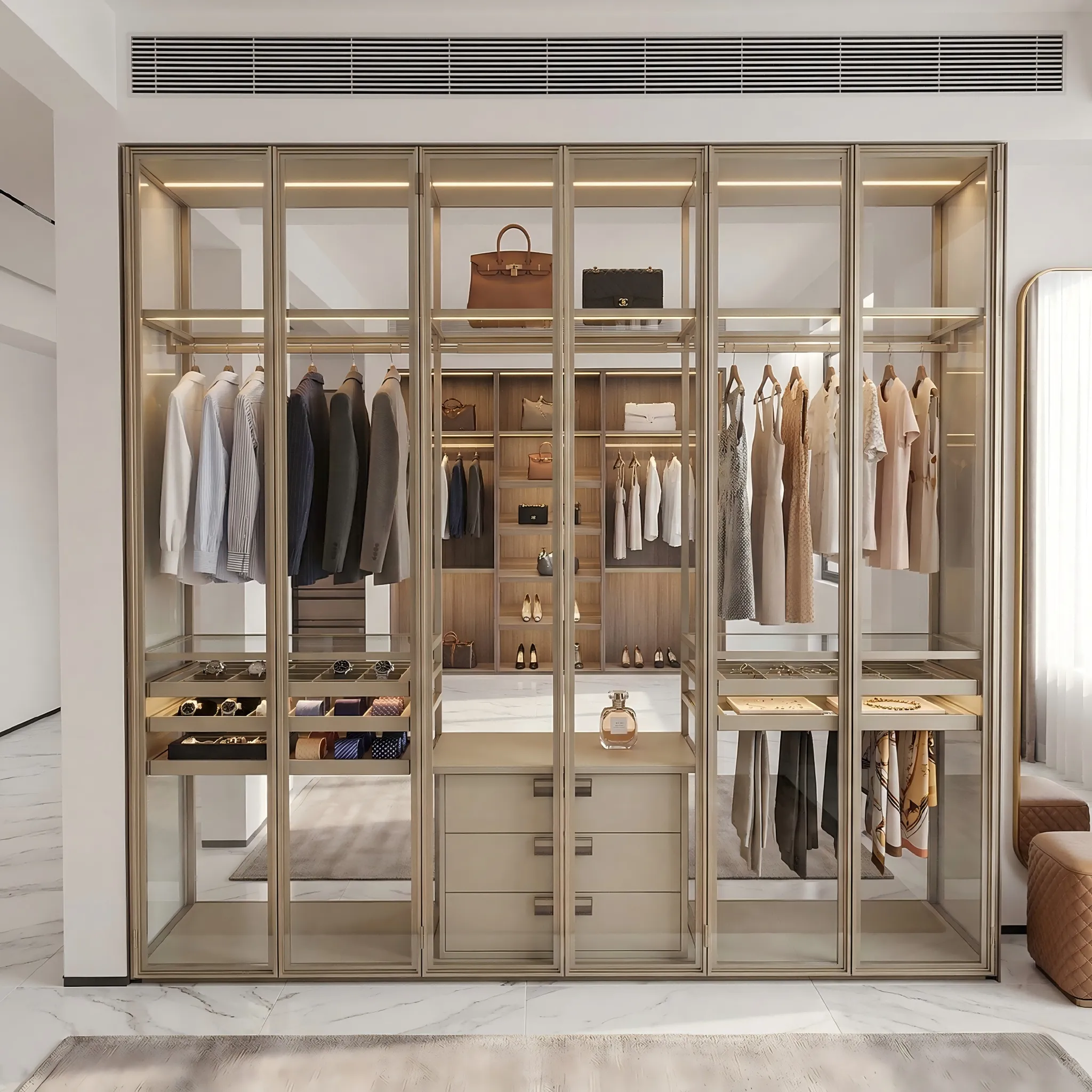
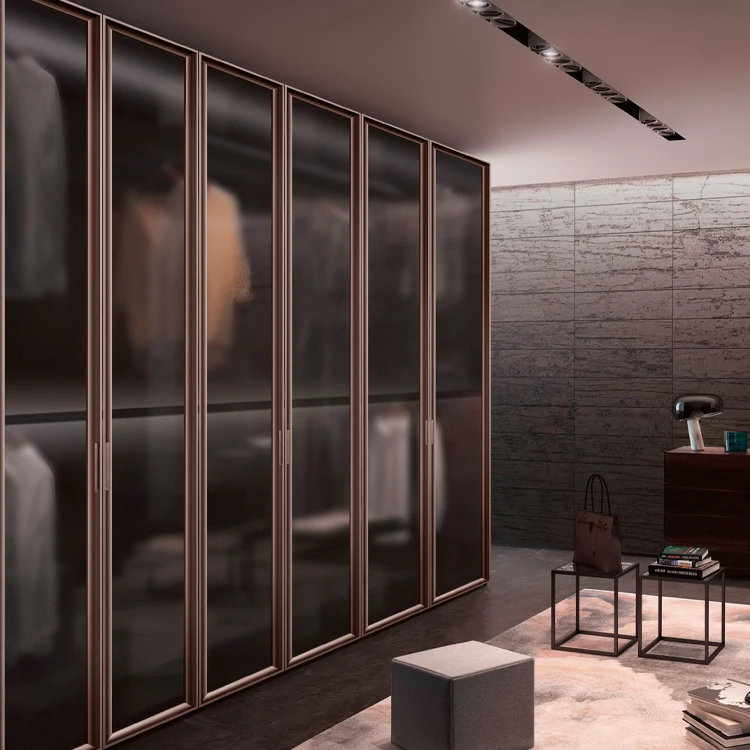
The surface treatment of floating aluminum shelves significantly influences their visual impact and maintenance requirements. Anodized finishes on floating aluminum shelves provide enhanced durability, corrosion resistance, and available color options ranging from natural silver to black, champagne, and bronze tones. Powder-coated floating aluminum shelves offer additional customization possibilities with matte, glossy, or textured finishes that coordinate with contemporary or industrial interior schemes. The lightweight nature of floating aluminum shelves means that the finished product feels less imposing than heavier materials while maintaining sophisticated visual presence. Designers frequently select floating aluminum shelves for their ability to blend seamlessly with glass, wood, and stone surfaces in mixed-material interior compositions.
Design Configurations and Installation Methods
Hidden Support Systems and Mounting Strategies
Floating aluminum shelves employ several engineering approaches to achieve their signature hidden-bracket appearance. The most common configuration involves a solid aluminum beam mounted horizontally within the wall cavity, with the visible shelf portion cantilevered outward from this concealed support structure. Heavy-duty floating aluminum shelves may incorporate L-shaped aluminum frames positioned inside walls, anchoring the shelves securely to wall studs through precisely engineered connection points. Some floating aluminum shelves designs use adjustable internal supports that allow installation at various heights without compromising structural integrity. Installation of floating aluminum shelves requires careful wall preparation, appropriate fastening hardware rated for the anticipated load capacity, and positioning of mounting points that align with structural elements in walls.
Load Capacity and Spacing Considerations
The design of floating aluminum shelves must account for distributed weight and cantilever stress when determining safe spacing between support points. Floating aluminum shelves typically support between twenty and one hundred pounds per running foot, depending on the aluminum profile thickness, support system design, and wall construction type. Professional specifications for floating aluminum shelves require that support brackets be positioned no more than sixteen to thirty-two inches apart, depending on anticipated load and shelf material thickness. When designing floating aluminum shelves installations, engineers consider both static loads from stored items and dynamic loads from daily use and impact. Residential applications of floating aluminum shelves frequently accommodate decorative items, books, and small electronics, while commercial floating aluminum shelves designs may support heavier equipment or inventory items requiring industrial-grade specifications.
Contemporary Design Trends in Floating Aluminum Shelves
Minimalist Aesthetics and Open-Concept Integration
Current design trends emphasize floating aluminum shelves as key elements in minimalist and Scandinavian interior approaches. These floating aluminum shelves designs complement open-concept living spaces by providing display and storage without visual clutter or heavy visual weight. Floating aluminum shelves have become standard features in modern kitchens, where they display dishes, glassware, and culinary equipment while maintaining the clean lines essential to contemporary kitchen design. The trend toward downsizing and intentional living has increased demand for floating aluminum shelves that help residents organize and display meaningful possessions rather than conceal everything behind cabinet doors. Commercial design applications increasingly feature floating aluminum shelves in retail environments, offices, and hospitality settings where they create sophisticated display solutions.
Integration with Technology and Lighting
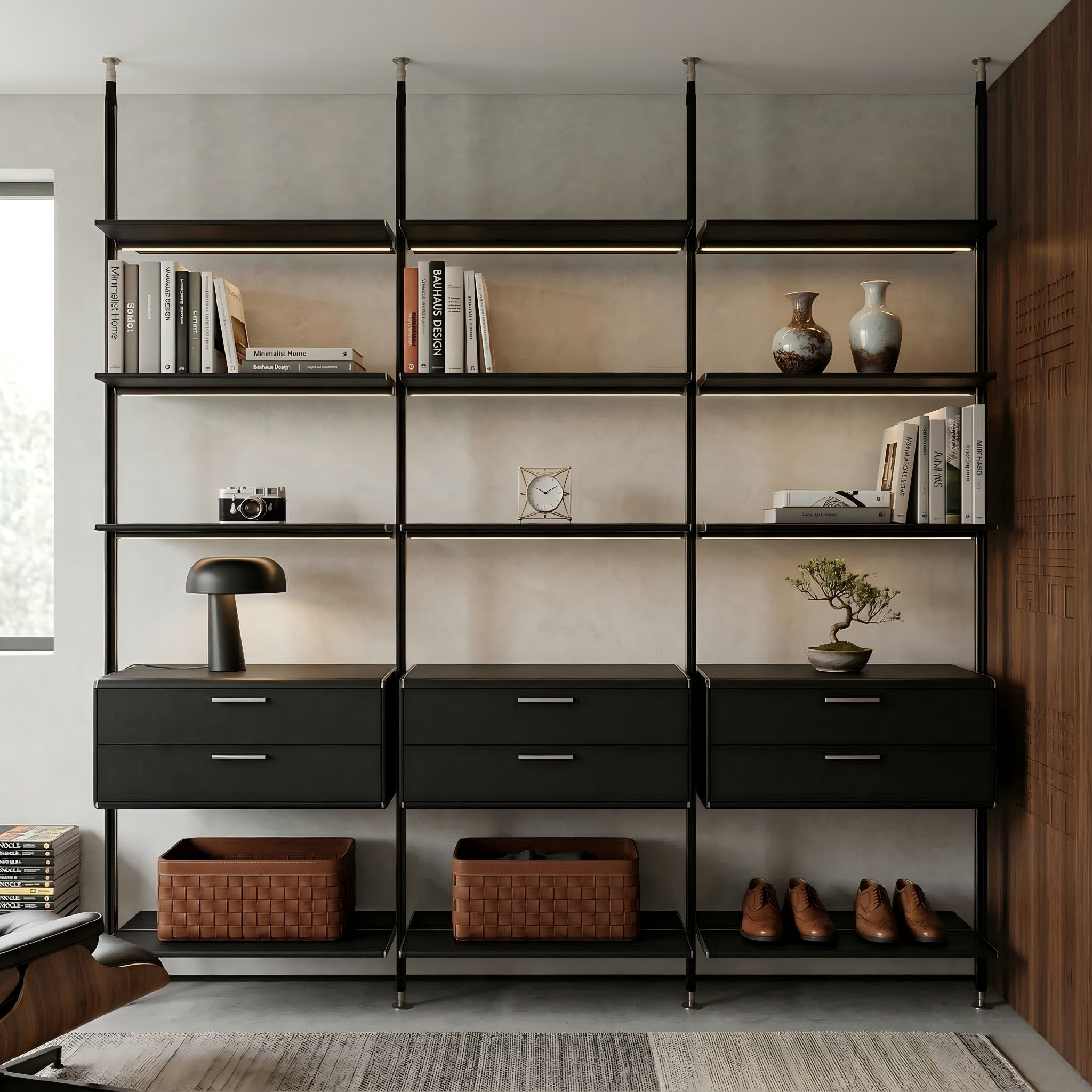
Modern floating aluminum shelves designs now incorporate integrated lighting systems that enhance both functionality and ambiance. LED strips mounted beneath floating aluminum shelves create task lighting for kitchen workspaces or accent lighting that highlights displayed artwork and decorative objects. The aluminum material conducts and dissipates heat effectively, making it ideal for designs combining floating aluminum shelves with electrical components. Smart floating aluminum shelves designs increasingly feature wiring channels concealed within the shelf profile, allowing seamless integration of charging stations and smart home technology. These advanced floating aluminum shelves designs appeal to tech-savvy consumers and commercial environments seeking sophisticated solutions that serve multiple functions simultaneously.
FAQ
What weight can floating aluminum shelves typically support?
Floating aluminum shelves support varies based on design specifications, but most quality floating aluminum shelves handle between twenty and one hundred pounds per running foot. Support capacity depends on aluminum profile thickness, the distance between mounting points, wall construction type, and fastener quality. Always consult manufacturer specifications for your specific floating aluminum shelves model before exceeding recommended load limits. Professional installation and wall reinforcement may increase safe carrying capacity significantly.
How are floating aluminum shelves installed on different wall types?
Installation methods for floating aluminum shelves vary depending on wall composition. For drywall installations, floating aluminum shelves require heavy-duty anchors or mounting directly into wall studs, which provide superior support. Concrete or brick walls allow direct mounting of floating aluminum shelves using appropriate masonry fasteners and expansion anchors rated for the load. Plaster walls typically require reinforcement or locating studs before installing floating aluminum shelves safely. Stud finders help locate optimal mounting positions for floating aluminum shelves in most residential applications, ensuring weight distribution across structural supports rather than depending solely on anchors in hollow wall spaces.
Are floating aluminum shelves suitable for wet environments like bathrooms?
Floating aluminum shelves perform exceptionally well in bathroom and kitchen environments due to aluminum's natural corrosion resistance. Anodized and powder-coated finishes on quality floating aluminum shelves provide additional protection against moisture, humidity, and temperature fluctuations common in wet spaces. Unlike steel shelving that rusts or wood shelving that warps in humid conditions, floating aluminum shelves maintain their structural integrity and appearance through years of bathroom exposure. Proper ventilation and occasional cleaning maximize the lifespan of floating aluminum shelves in moisture-prone areas, making them ideal for contemporary bathroom design where durability and aesthetics matter equally.