 EN
EN
Why Aluminium Wardrobe Design Is Essential for High-Performance Architectural Interiors
Structural Integration: Load-bearing capability and seamless alignment with drywall, façade, and MEP systems
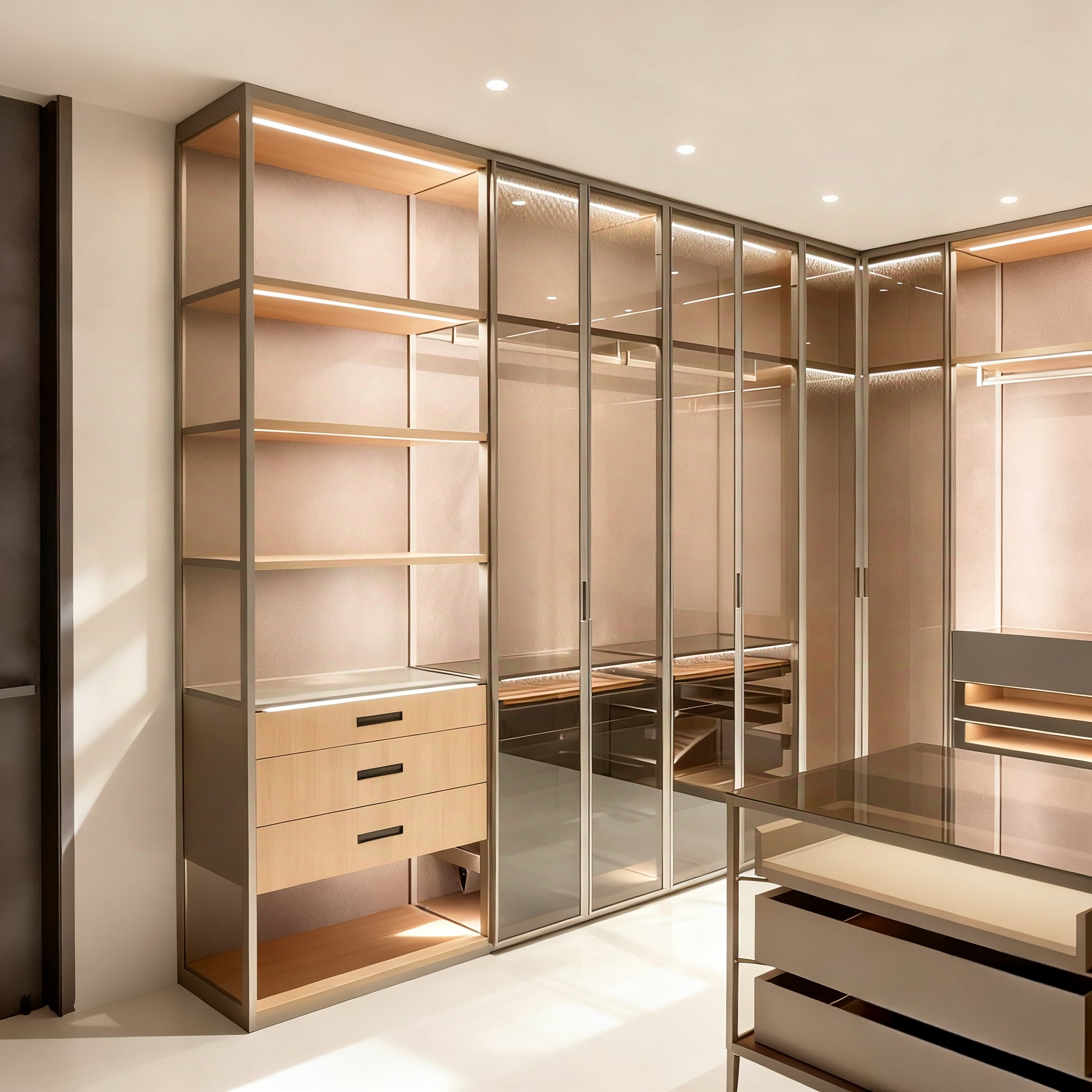
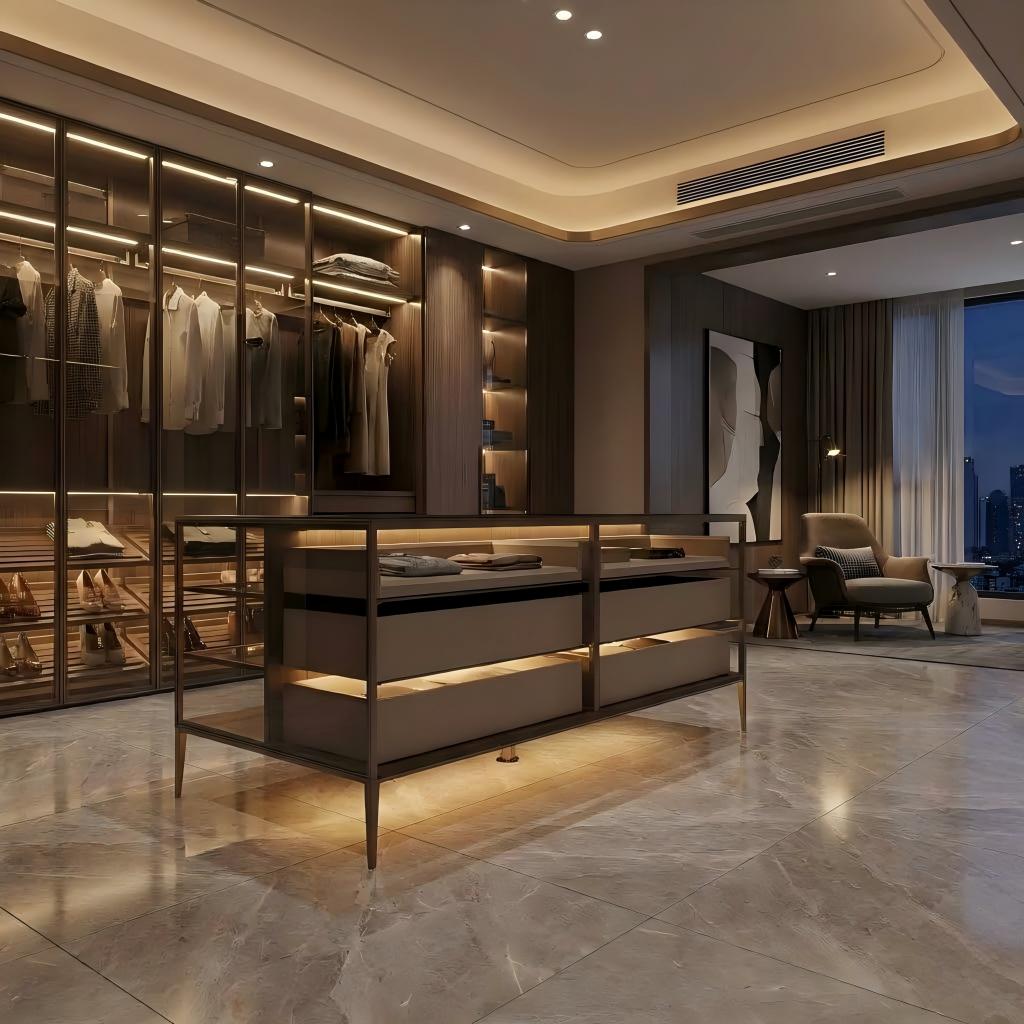
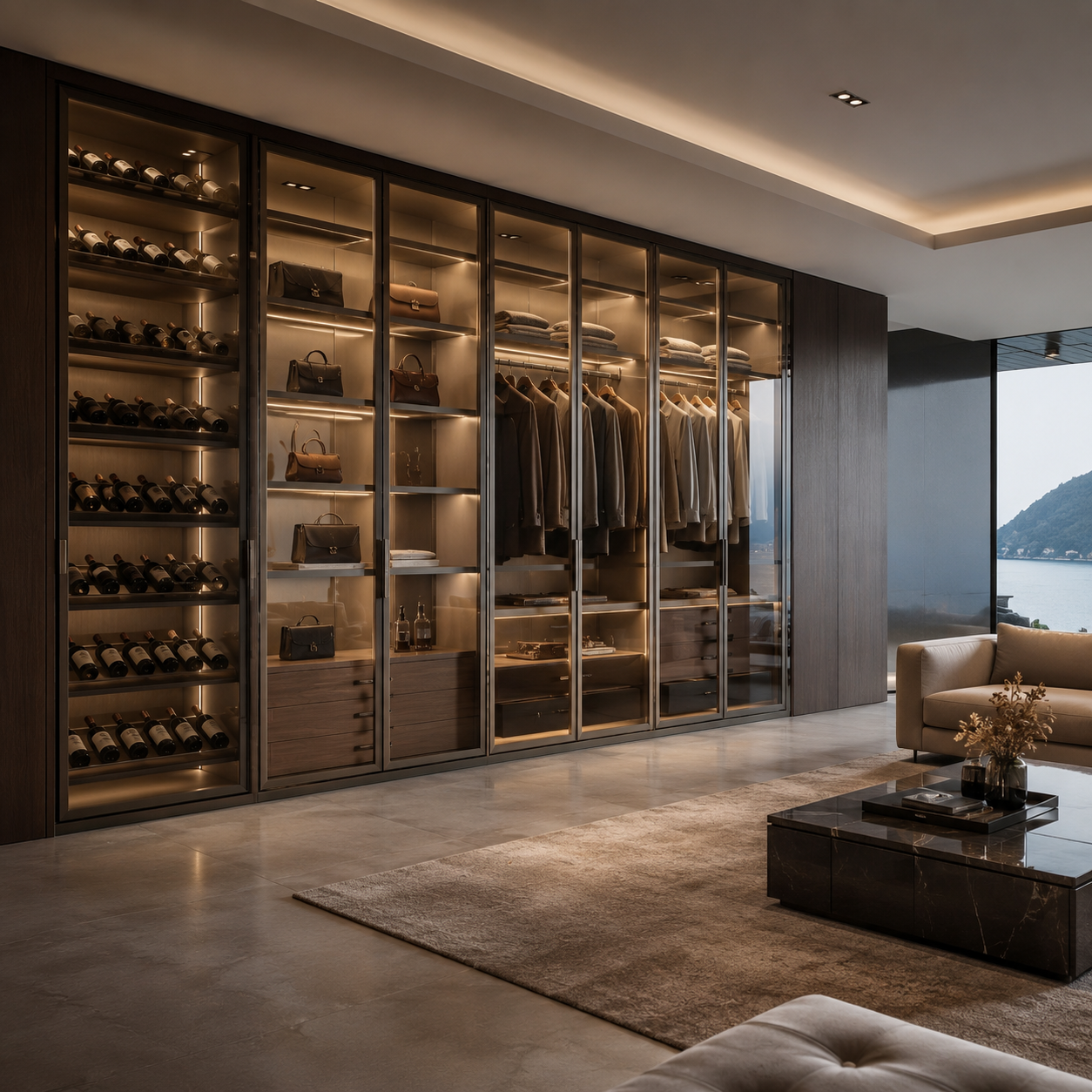
Aluminum wardrobe systems can hold a lot of weight thanks to their specially designed profiles that have great strength compared to their weight. These aren't just storage units anymore but actual structural components in many modern buildings. The way they fit into the surrounding architecture is pretty impressive too. They sit right up against drywall walls, line up perfectly with those metal frames on building exteriors, and even make space for all sorts of pipes and wires inside special channels without weakening the structure. Since aluminum doesn't warp easily when exposed to heat or pressure, architects can create custom designs where the weight gets spread out properly across the building framework. What this means practically is fewer extra supports are needed, which keeps things looking neat and professional in high-end interior spaces where visual appeal matters just as much as functionality.
Sustainability alignment: Recyclability, lightweight logistics, and contribution to LEED/BREEAM credits
Aluminum wardrobe systems help the environment because they can be recycled again and again. More than 90% of the material stays good quality when it gets remade. Plus, manufacturers are starting to power their factories with cleaner energy sources these days. The fact that aluminum is so light makes a big difference too. Transporting these systems creates about 40% fewer emissions than moving heavier materials like steel or wood. This matters a lot for green building certifications such as LEED and BREEAM. Specifically, aluminum helps score points in both the Materials & Resources section and the Indoor Environmental Quality part of those rating systems. When architects choose aluminum profiles made from old stuff that people have already used before (usually around 75 to 95% recycled content), it gives them even better chances at getting those environmental credits. That's why more designers are turning to aluminum if they want to hit those tough net-zero carbon goals for buildings.
Custom Aluminium Wardrobe Design: Aesthetic Flexibility Without Compromise
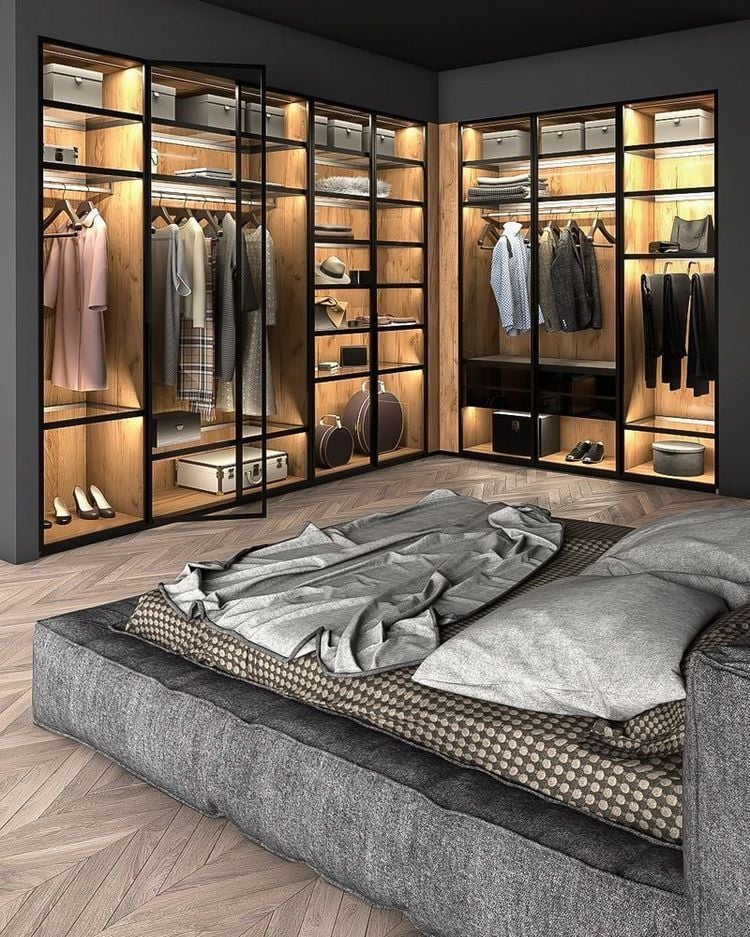
Architects increasingly leverage aluminium wardrobe design not just for performance but as a medium for aesthetic intention—transforming functional storage into integrated design statements that elevate spatial quality and brand identity.
Material harmony: Matching architectural finishes via anodizing, wood-grain laminates, and stone-effect coatings
The ability of aluminium surfaces to adapt makes them great for maintaining consistent looks throughout interior spaces. When we talk about anodizing, what happens is the creation of this tough oxide layer that bonds right into the metal itself. There are actually hundreds of colors available now, including exact matches for those RAL and NCS color codes everyone talks about, plus it stands up really well against wear and fading from sunlight. For wood grain effects, modern laminates can mimic not just the appearance but also feel something close to real timber. These materials resist swelling when exposed to moisture three times better than traditional options. Stone effect coatings give buildings that same impressive look as actual stone but weigh about 40% less on average, plus there's no worry about salt deposits forming or pieces breaking off over time. From matching old fashioned bronze windows to creating the texture of concrete walls or even replicating terrazzo floors, these finish choices help different materials work together visually without sacrificing how long they'll last in real world conditions.
Design continuity: Custom profiles that unify wardrobe systems with ceilings, flooring, and millwork
Aluminum extrusions allow for really unique shapes that blur the line between storage solutions and actual architecture. When designing these pieces, architects often go for specific angles, adjust those shadow gaps just right, and incorporate those rebated edges so wardrobes fit perfectly against ceiling moldings, where floors meet walls, or next to other built-in features. The design includes hidden handles, invisible hinges, and doors that sit flush together, which makes everything look seamless instead of fragmented. These systems stay aligned for years because they're manufactured with incredible precision — about plus or minus 0.1 mm accuracy even when humidity levels swing around quite a bit. That kind of consistency means the storage units actually enhance the overall architectural design instead of sticking out like sore thumbs.
Technical Specifications That Define Long-Term Performance in Demanding Environments
In high-performance interiors—hospitals, coastal residences, luxury hospitality, and institutional buildings—aluminium wardrobe systems must exceed baseline durability. Rigorous technical specifications ensure resilience where aesthetics and function converge under pressure.
Corrosion resilience: Minimum 1.8mm wall thickness, electrophoretic coating, and ISO 9223 C4—C5 compliance
When dealing with areas affected by salt air, factory emissions, or constant dampness, resisting corrosion simply cannot be ignored. Going with at least 1.8mm walls gives structures the strength they need while also creating enough material to fight off those pesky pits over time. What makes electrophoretic coating so special? It's basically a fancy electroplating technique that creates an even coat without holes, sticking to surfaces better than regular powder coatings can manage during those tough salt spray tests (like ASTM B117). Meeting ISO 9223 standards for C4 or C5 environments means these materials stand up well in places where others would fail fast. Think of buildings around Singapore's Marina Bay, the beachfront high rises in Dubai, or the warehouses along Hamburg's harbor. These are all spots where regular materials just wouldn't last.
Hardware integrity: Marine-grade stainless steel hinges, soft-close mechanisms, and humidity-tested gaskets
The hardware used needs to stand up to whatever stress the frame can handle. For marine environments, 316 stainless steel hinges are the go-to choice since they fight off chloride corrosion really well. These hinges maintain their strength too, holding over 95% of their original torque even after going through 10,000 cycles when exposed to 95% relative humidity according to EN 1527 standards. Soft close mechanisms have been put through their paces with testing showing they last over 100,000 cycles without failing. This means doors and drawers don't get damaged from repeated slamming, plus there's less noise transfer between rooms. When it comes to gaskets, manufacturers run them through intense humidity tests following IEC 60068-2-30 protocols. After sitting in 85 degree Celsius environment with 85% humidity for 1,000 hours straight, these seals still keep compression loss under 20%. What does this mean practically? Well, it ensures that interiors stay protected against both moisture getting in and dust particles sneaking through gaps.
FAQ
What are the benefits of using aluminium wardrobe in architectural interiors?
Aluminium wardrobes are lightweight yet strong, allowing for significant load-bearing capabilities. They integrate seamlessly with architectural elements while offering excellent environmental sustainability through recyclability and reduced transportation emissions.
How do aluminium wardrobes contribute to sustainability goals?
Aluminium wardrobes are recyclable and lightweight, resulting in lower carbon emissions during transportation. They contribute to green building certifications such as LEED and BREEAM, particularly if made with high recycled content.
Can aluminium wardrobe designs be customized for aesthetics?
Yes, aluminium can be anodized, coated, or laminated to match a wide range of architectural finishes, including wood and stone effects. This flexibility enhances the aesthetic appeal alongside functionality.
What makes aluminium wardrobes durable in demanding environments?
The durability is ensured by a minimum 1.8mm wall thickness, advanced coatings like electrophoretic coating, and compliance with ISO standards for corrosion resistance. Marine-grade hardware further adds to their robustness.