 EN
EN
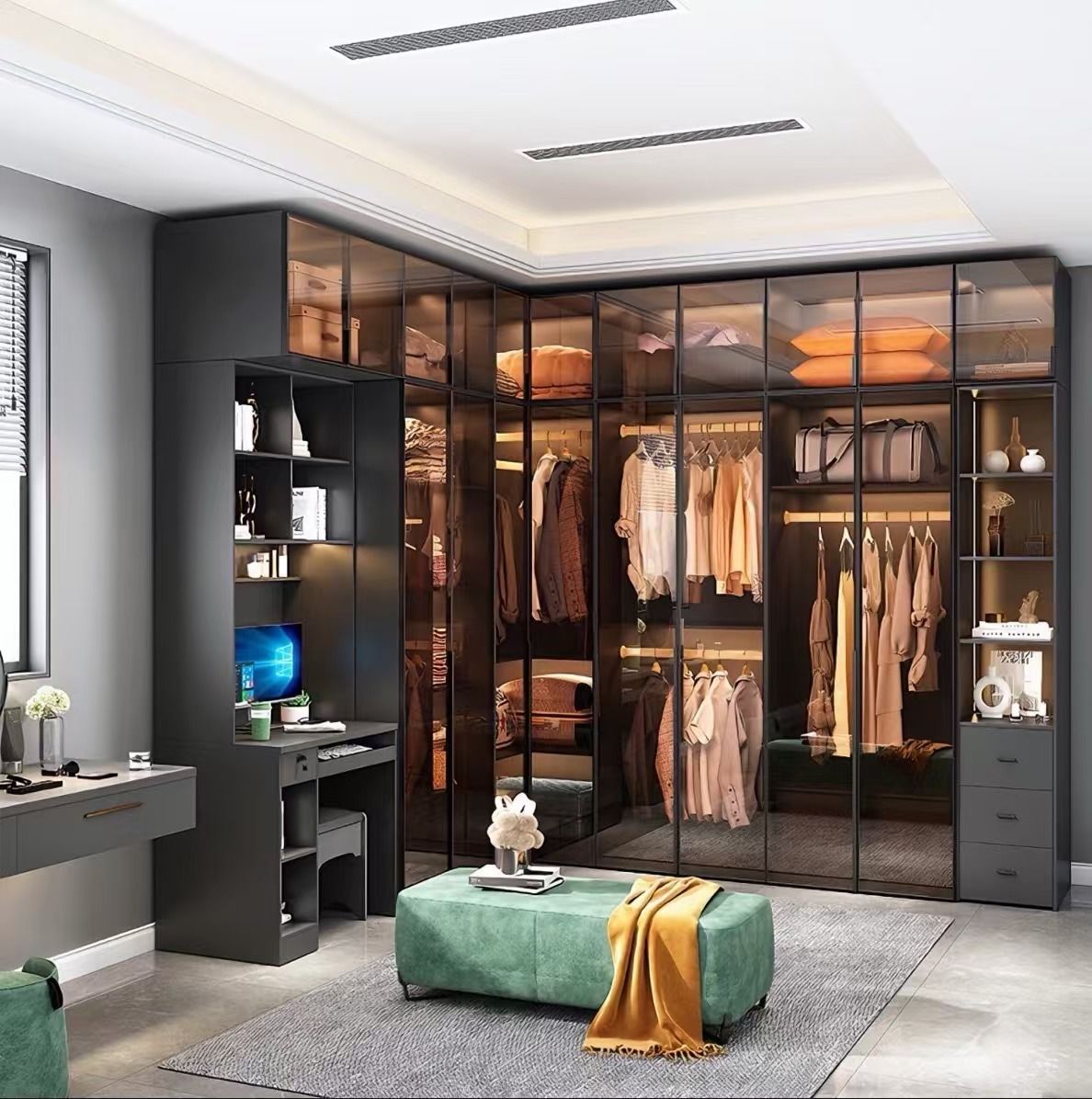
Unmatched Durability and Corrosion Resistance of Aluminum Wardrobe Cabinets
Performance in Humid, Coastal, and High-Moisture Interiors
Aluminum wardrobe cabinets work really well in places where there's lots of moisture around like bathrooms, laundry areas, homes near the coast, or anywhere with a tropical climate. This happens because aluminum forms an oxide layer naturally over time. The protective coating stops water from getting absorbed into the material, so we don't see the problems that plague wooden or particleboard cabinets such as swelling, bending out of shape, or layers peeling apart. Wood has pores that let mold grow inside them, but aluminum doesn't offer any space for mold spores to take hold, which means better air quality inside homes. Cleaning these cabinets is straightforward too since their smooth surface just needs wiping with a wet cloth to keep looking good and stay hygienic. Tests have shown that even when humidity levels reach 90%, aluminum maintains its strength and shape, making it one of the best choices available for rooms where dampness is always an issue.
Rust-Free, Termite-Proof, and Mold-Resistant Structural Integrity
Because aluminum is inorganic, it simply doesn't attract termites, won't rot away, and stands up to rust without needing any special treatments or sealants applied. What really matters though is how stable aluminum stays electrochemically, which means it resists oxidation even when exposed to moisture for extended periods. We're talking about decades of service without corrosion issues. Another big plus point is the smooth surface that's basically non porous. Tests show this stops microbes from taking hold at around 99.7% effectiveness compared to wooden materials according to ISO 22196 standards, so there's far less chance of mold developing over time. When it comes to dimensional changes, aluminum expands only about ±0.004% thermally, so furniture made from it keeps its shape through all sorts of temperature fluctuations without cracking, splitting apart, or releasing those harmful VOCs. That kind of dependability makes aluminum ideal for places where safety matters most, such as nurseries and hospitals, where parents and patients expect materials that will last and perform reliably year after year.
Industry data confirms aluminum cabinetry maintains 98% structural performance after 15+ years in high-humidity installations
Low-Maintenance Performance and Health-Safe Benefits for Residential Use
Aluminum Wardrobe Cabinets in Bathrooms, Closets, and Compact Living Spaces
Aluminum works really well in places where there's not much room and lots of moisture around. Think bathrooms, those big walk-in closets people love so much, and city apartments that just don't get enough fresh air circulating. Unlike wood or MDF, aluminum won't warp when it gets damp, won't swell up, and the finish stays looking good instead of peeling off over time. People who live in these spaces probably spend about 30 hours every year dealing with maintenance stuff like sealing surfaces again, polishing wood, or getting rid of mold growth. The slim profiles available now can be as narrow as 12 inches wide, which means homeowners can fit more storage solutions into tight spots without making their already small floors feel even smaller. Plus, since aluminum doesn't soak up water or collect dust mites and other allergens inside its structure, it actually helps keep indoor air quality better for anyone with breathing issues or allergies.
Zero-VOC, Formaldehyde-Free, and Fire-Rated Compliance for Wellness-Oriented Homes
Aluminum wardrobe cabinets don't release any volatile organic compounds (VOCs) and are free from formaldehyde resins, making them ideal for homes where good indoor air quality matters most. These cabinets actually pass Class A fire resistance tests according to ASTM E84 standards. When compared to regular laminated wood products, they slow down flame spread by around 60%. Plus, they won't produce harmful smoke even when subjected to high temperatures. Traditional materials like particleboard or MDF need special flame retardants added during manufacturing. But aluminum itself doesn't burn at all, so it offers built-in fire protection without needing those extra chemicals. This makes sense for anyone concerned about building standards like the WELL Building Standard requirements for clean air and safety. Families with members who suffer from allergies or respiratory issues will find these cabinets particularly beneficial in creating healthier living spaces overall.
Design Flexibility and Structural Efficiency for Commercial Interiors
Slim-Profile Aluminum Wardrobe Cabinets Enabled by Superior Strength-to-Weight Ratio
The strength to weight ratio of aluminum is actually about three times better than steel when comparing by mass. This allows for really slim wardrobe designs that can be less than 14 inches deep but still hold plenty of weight. We're talking around 300 pounds per linear foot of hanging items, and the structure stays rigid and aligned throughout. The company tested this stuff using those ASTM E119 standards for both fire resistance and load capacity. Because aluminum expands so little when heated, these wardrobes maintain their shape over time even in places where temperature control matters most. Think luxury spas, medical clinics, and upscale hotel rooms where warped frames or misaligned joints would look terrible and make the whole system less functional in practice.
Scalable Customization for Hotels, Spas, and Multi-Unit Residential Projects
Aluminum extrusions make for fast and flexible assembly processes, which is why they're so popular for big scale projects needing custom solutions. Take hotels for instance, one major resort recently installed over 500 identical looking panels throughout their property. These panels come in various finishes from shiny metal looks to matte coatings and even wood grain patterns, and most batches look almost exactly the same from one production run to the next. What's really impressive though is that around 85% of the material used comes from recycled sources, helping buildings earn those coveted LEED certifications while cutting down on construction waste at the site itself by roughly 40% compared to traditional wooden options. The surfaces are also practically germ free thanks to their non porous nature, achieving nearly complete microbial elimination according to ISO standards. This makes them ideal for places where people touch things constantly and moisture builds up, such as locker rooms in spas or entryways in beachfront homes where salt air would normally cause problems for other materials.
Aesthetic Versatility and Seamless Integration in Modern Interior Design
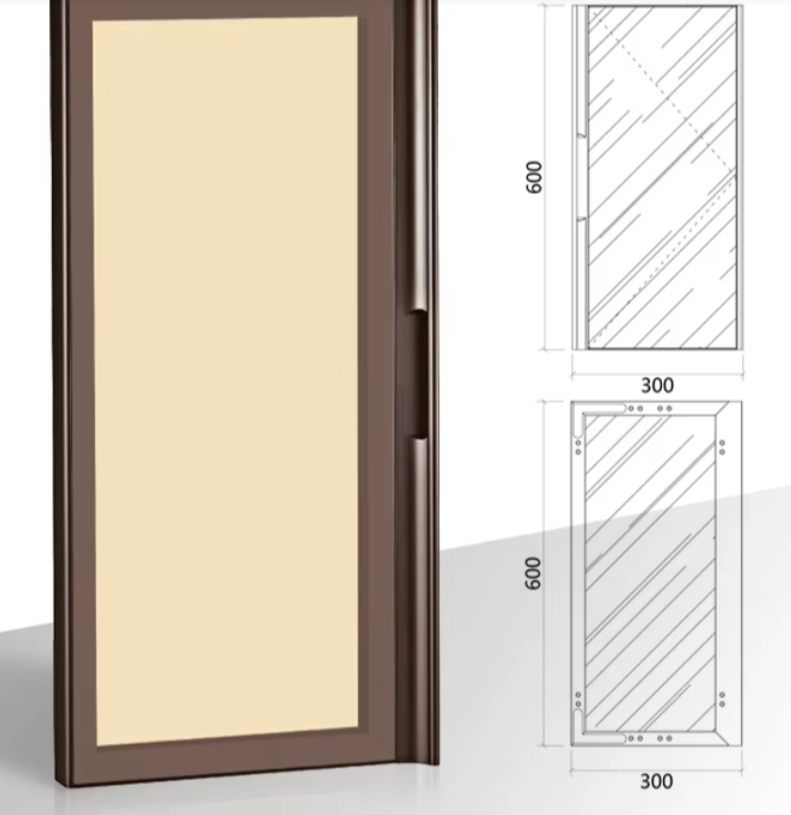
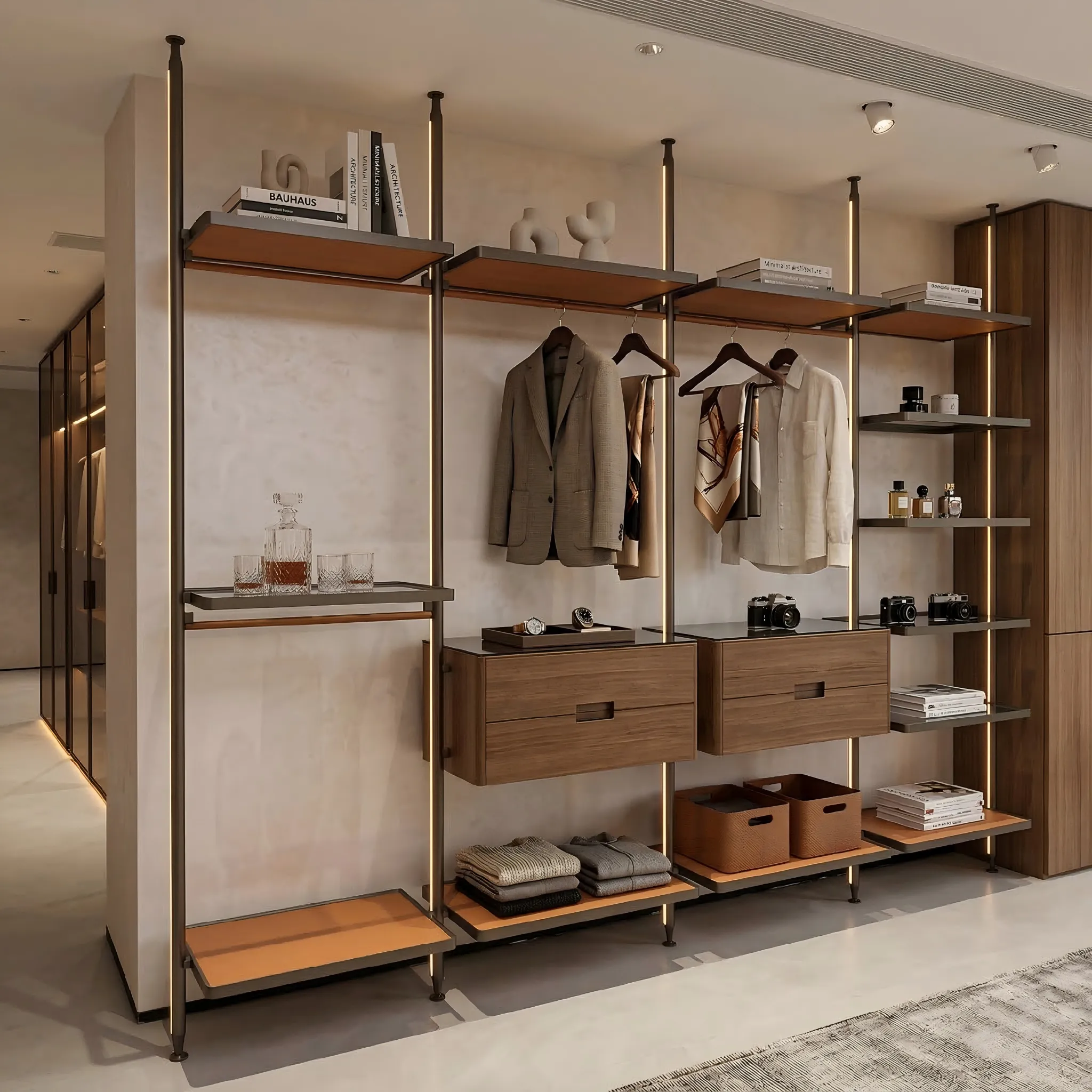
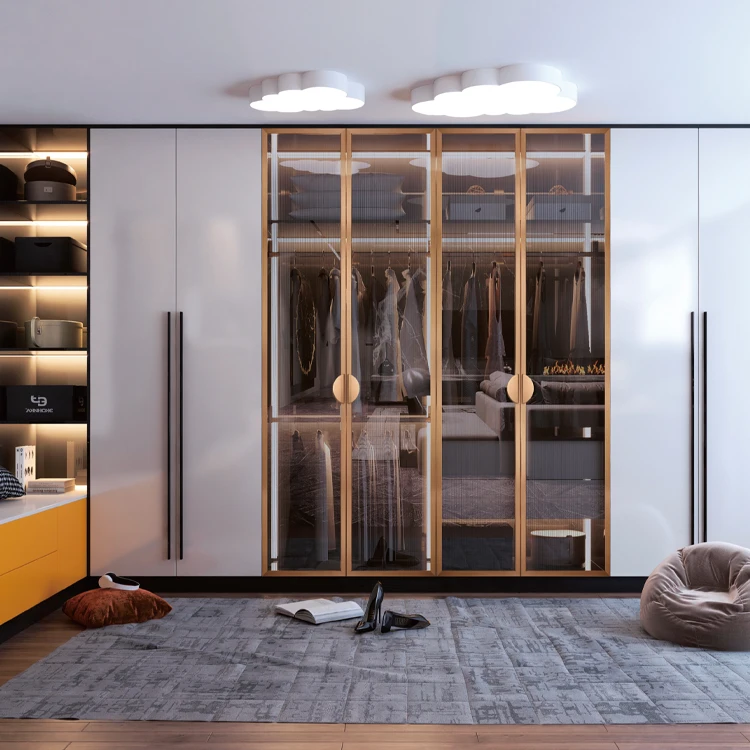
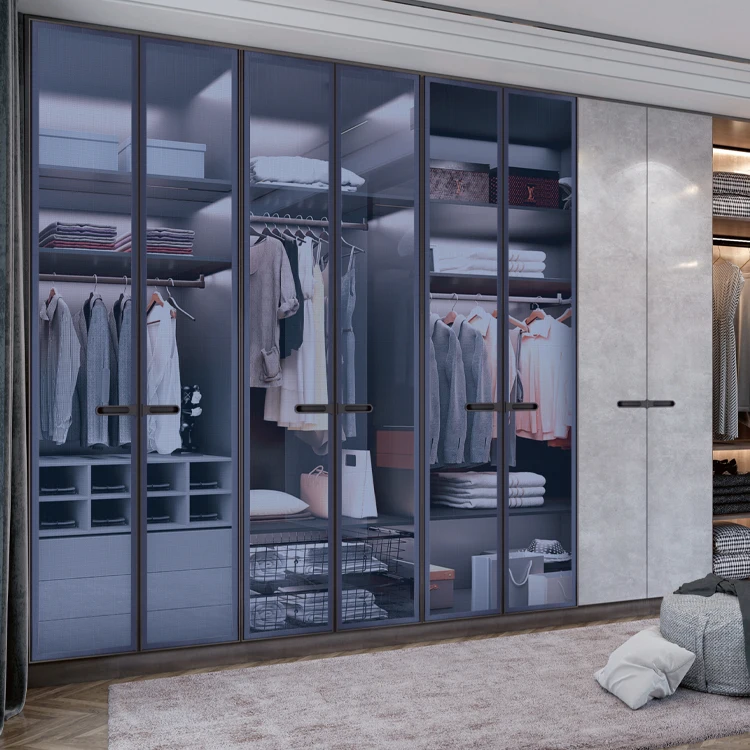
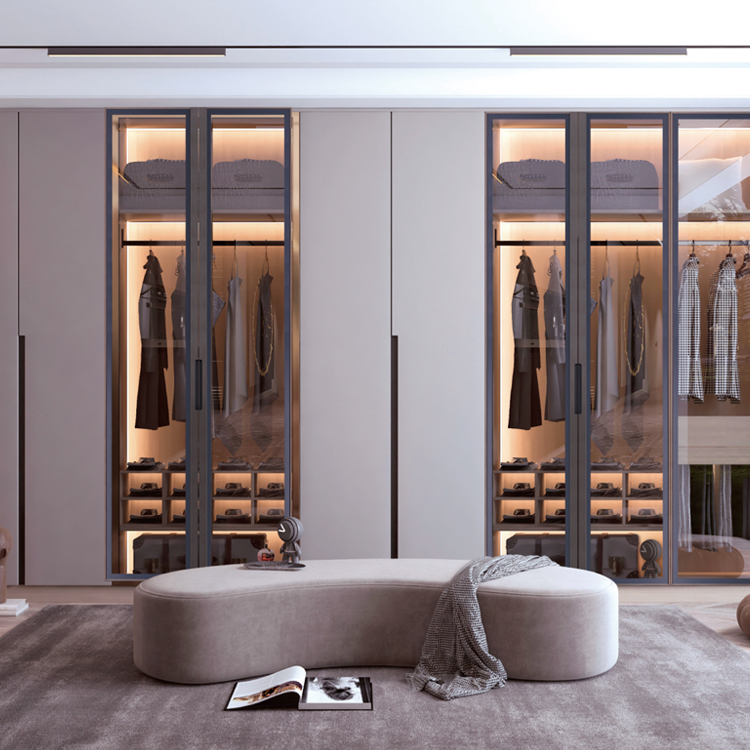
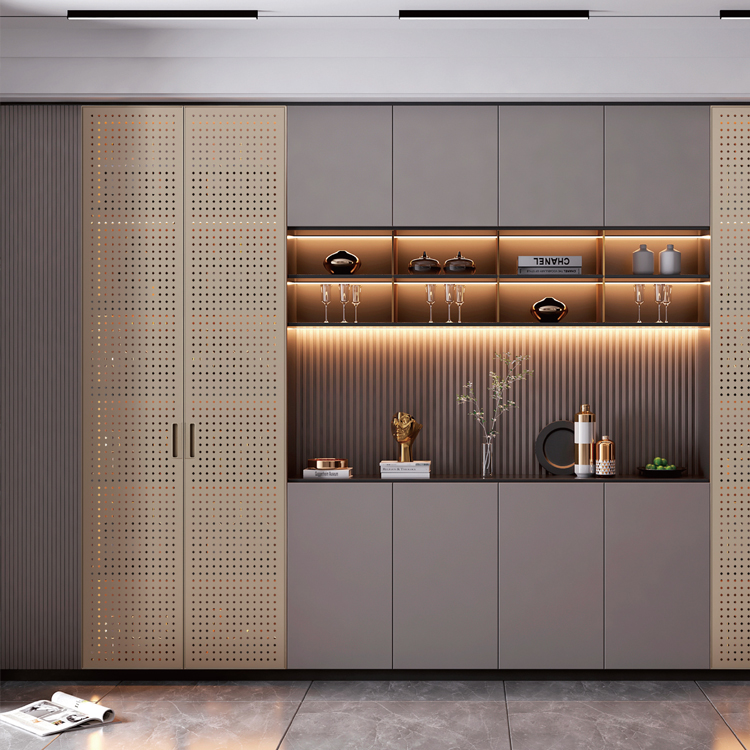
Aluminum wardrobe cabinets come in all sorts of looks these days, from simple matte Nordic styles to bold industrial metal finishes, and they still perform great too. The powder coat and anodizing processes keep colors looking fresh for years, plus there are tons of textures available including some really convincing wood grain patterns that meet those EN standards folks always mention. Without frames and with hardware mounted flush, everything looks sleek and continuous visually. Plus the slim profile means these cabinets can fit into awkward spaces like narrow corners, under sloped ceilings, or wherever space is at a premium. Compared to lacquered or laminated options, aluminum just doesn't show fingerprints as much, stands up better to scratches, and won't fade in sunlight over time. That means whatever design choice someone makes today will likely still look good decades from now.
Sustainability Leadership: Recyclability, Certifications, and Lifecycle Value
Aluminum Wardrobe Cabinets Supporting LEED, WELL, and Circular Economy Goals
Aluminum can be recycled again and again without losing any of its quality, actually keeping around 95% of what makes it good after every recycling cycle. What this means in practice is that old cabinets at the end of their life don't just get thrown away—they become raw materials for making brand new stuff, which cuts down on landfill waste by roughly 60 to 70 percent compared to how most furniture gets disposed of today according to those lifecycle studies we've seen published. The building industry takes notice too. Aluminum plays a big role in getting LEED v4.1 and WELL certifications because it helps accumulate points under Material & Resources categories like MRc2 and MRc4. Plus, it meets requirements for indoor air quality standards (like WELL A01) and contributes to better material health scores (WELL M05). There are also third party documents called EPDs and HPDs that back up claims about no VOC emissions and actual recycled content percentages. When manufacturers use aluminum made from recycled materials instead of virgin metal, they slash carbon footprints by almost 95%. And since aluminum weighs so much less than steel, shipping it around creates about 30% fewer emissions during transport. All these factors combined make aluminum an excellent choice for projects aiming at net-zero targets whether they're building homes, hotels, or medical facilities.
FAQ
What makes aluminum wardrobe cabinets suitable for high-moisture environments?
Aluminum develops a natural oxide layer that protects it against moisture absorption, unlike wood or particle board which swell and warp in similar conditions.
Are aluminum wardrobe cabinets safe for health-conscious homes?
Yes, they are zero-VOC, formaldehyde-free, and pass Class A fire resistance tests, making them ideal for homes concerned with indoor air quality and safety standards.
How do aluminum cabinets contribute to sustainability?
They are recyclable, retaining 95% of their quality, and support LEED, WELL, and Circular Economy goals by reducing landfill waste and carbon footprint.
What design options are available with aluminum wardrobe cabinets?
Aluminum cabinets offer flexibility in design, with finishes ranging from matte to industrial metal, and can be customized with wood grain textures without compromising durability.