 EN
EN
Why Modern Luxury Walk-In Closets Drive Commercial ROI
Premium Storage Demand in High-End Retail and Hospitality
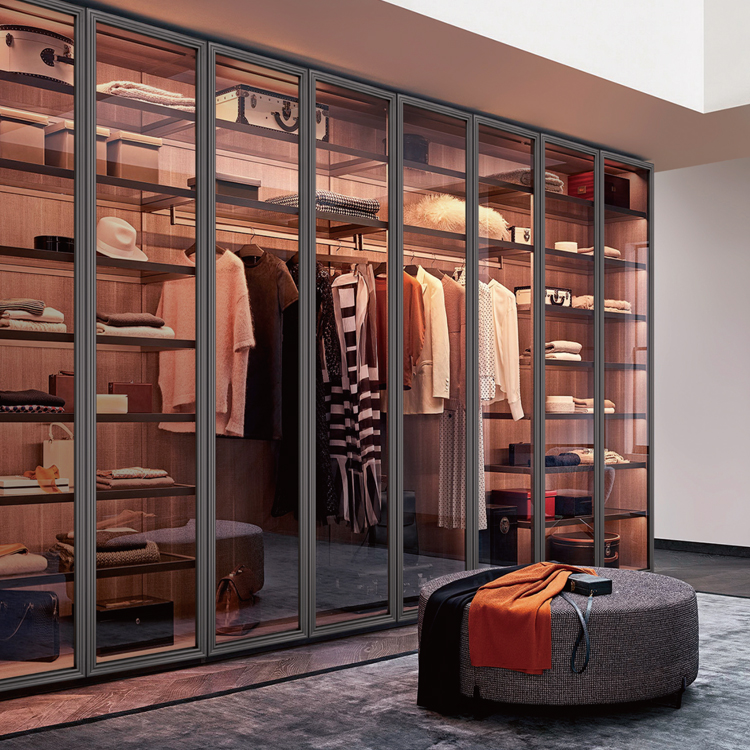
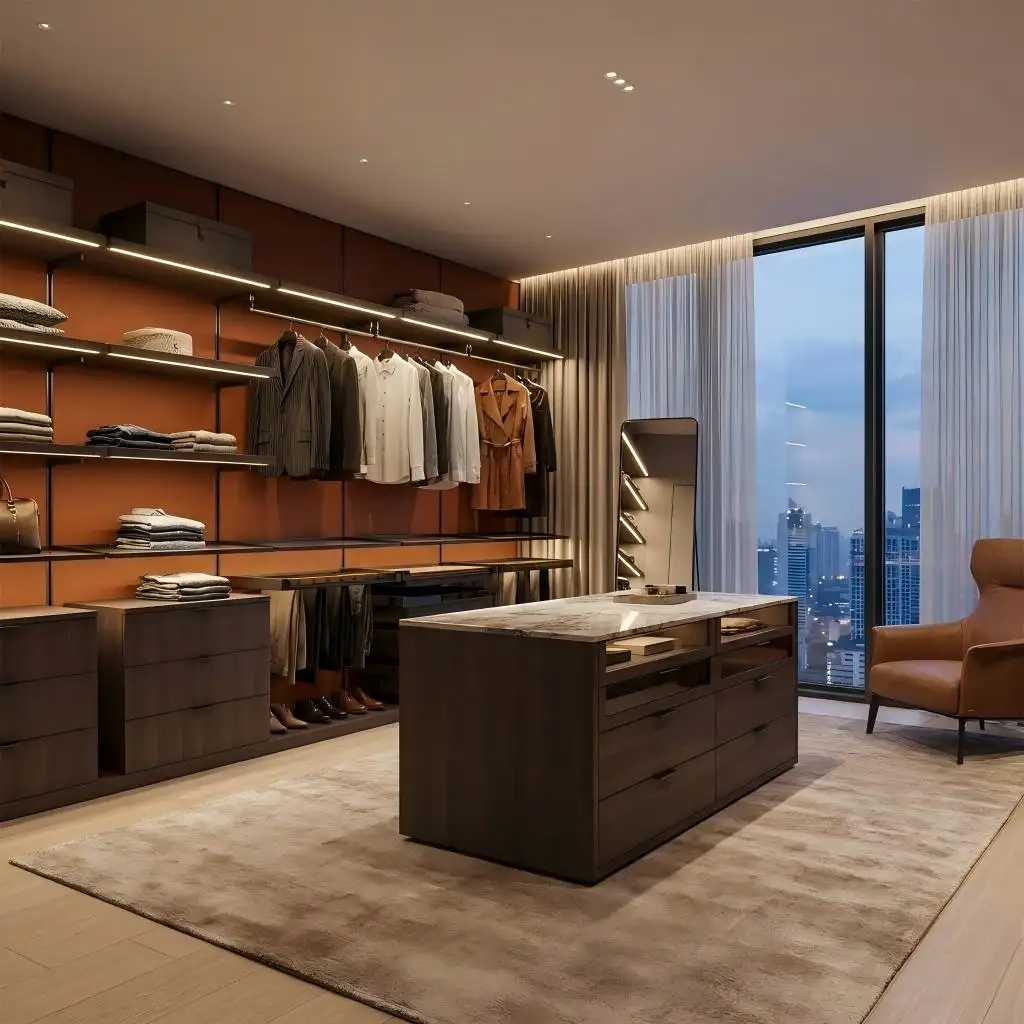
Luxury hotels and high-end retail outlets now treat walk-in closets as essential profit centers—not just storage. Guests and shoppers expect curated spaces that protect valuable wardrobes, from designer suits to delicate evening wear. This demand directly fuels investment in custom modern luxury walk-in closet furniture that merges premium craftsmanship with intelligent, user-centric storage.
In five-star hotels, suites featuring thoughtfully designed walk-in closets command up to 30% higher nightly rates than standard rooms, per industry benchmarks from JLL and STR Global. Retailers leverage similar principles: elevated dressing-room experiences—enhanced by motion-sensor lighting, climate control for sensitive fabrics, and modular shelving—extend dwell time and increase average transaction value. As real estate developers and hospitality brands compete for affluent, experience-driven clientele, premium closet infrastructure has become a measurable lever for boosting occupancy, ADR (average daily rate), and guest loyalty.
Beyond Aesthetics: Brand Differentiation, Client Retention, and Space Efficiency
A luxury walk-in closet transcends visual appeal—it functions as a strategic brand touchpoint. In boutique hotels, personalized layouts signal meticulous attention to detail, reinforcing emotional resonance and encouraging word-of-mouth advocacy and repeat visits. High-end retailers deploy signature closet designs to distinguish themselves in saturated markets, transforming functional zones into memorable, Instagram-worthy moments.
Space efficiency is non-negotiable in urban hospitality: compact floor plans demand storage solutions that maximize utility without compromising elegance. Modular, customizable configurations meet this need—adapting seamlessly across room sizes while preserving a consistent luxury aesthetic. That flexibility reduces renovation downtime, lowers long-term maintenance costs, and extends the lifecycle of the installation.
The resulting ROI is quantifiable: higher guest satisfaction scores (measured via post-stay NPS and review sentiment), increased average transaction value in retail environments, and lower property vacancy rates—all anchored in a deliberate, client-centered closet strategy.
Custom Modern Luxury Walk-In Closet Furniture: Engineering Functionality and Exclusivity
Modular Systems in Boutique Hotel Suite Renovations (2023–2024)
Boutique hotels are increasingly adopting modular walk-in closet systems during suite renovations—valuing speed, adaptability, and future-proofing over traditional built-ins. Leading hospitality designers in 2023–2024 prioritized adjustable shelving, pull-out accessories, and integrated LED lighting, all engineered for rapid reconfiguration without structural modifications.
These systems cut installation time by up to 40%, minimize on-site waste, and eliminate the need for full demolition during refresh cycles. A single standard suite, for example, gains flexible, intuitive storage for luggage, footwear, formalwear, and accessories—supporting both guest convenience and staff operational efficiency.
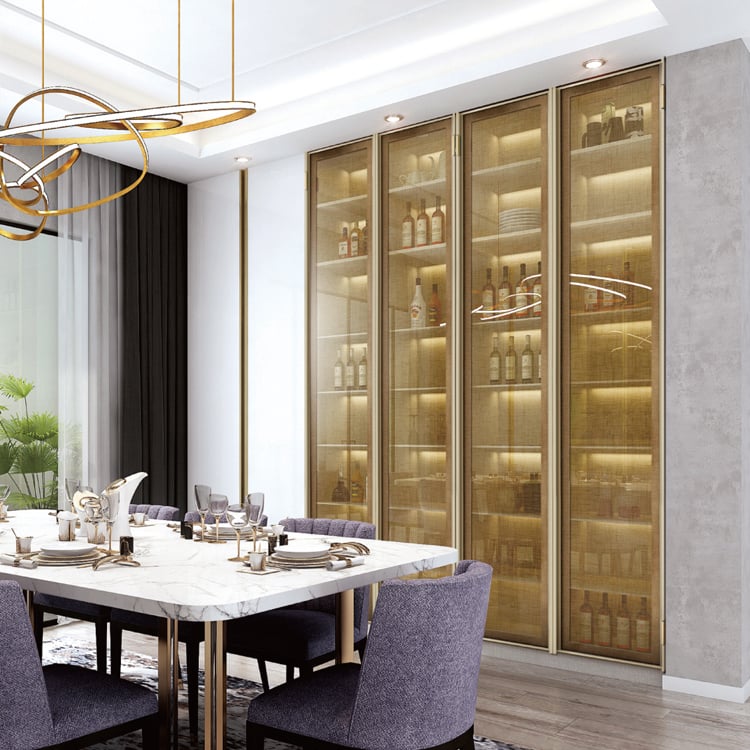
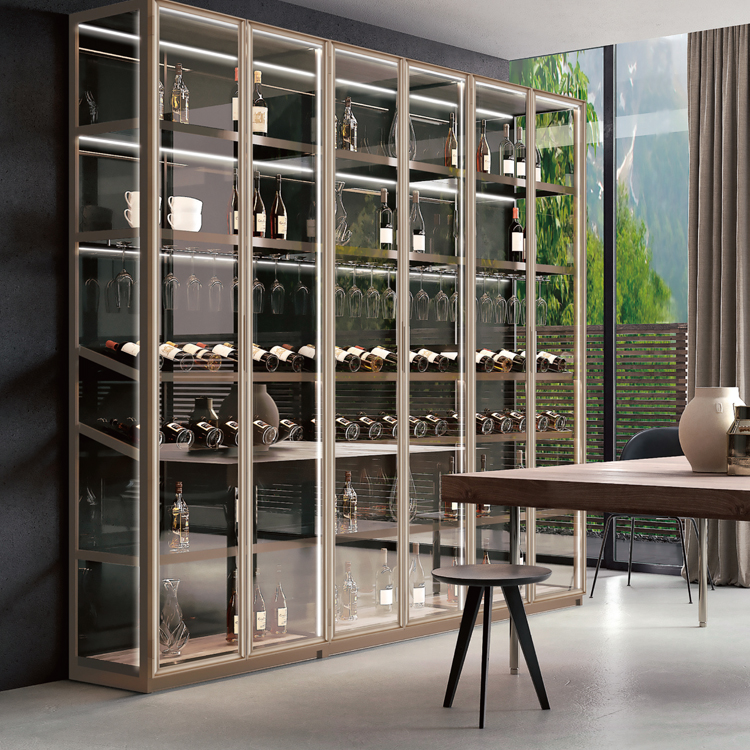
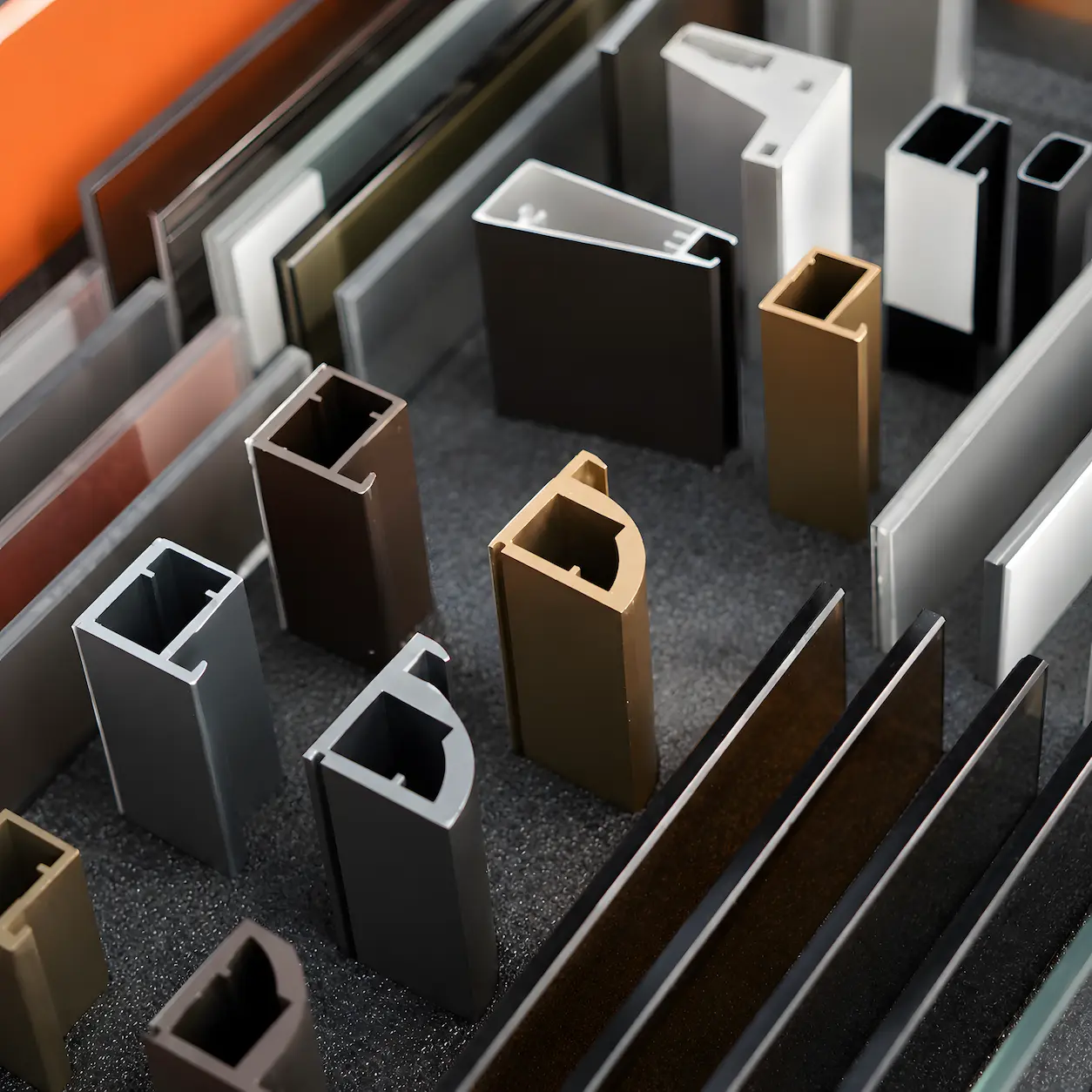
Guests respond to the order and intentionality of these spaces; operators benefit from higher perceived value, stronger online reviews, and improved repeat booking rates. When paired with durable, low-maintenance finishes—such as tempered glass doors or anodized aluminum frames—these closets deliver enduring performance alongside refined aesthetics.
Sustainable Materials and Precision Engineering: Carbon-Neutral Finishes & CNC-Cut Hardware
Sustainability and precision are no longer trade-offs in luxury closet design—they’re prerequisites. Forward-looking suppliers now offer carbon-neutral finishes, including low-VOC lacquers and reclaimed wood veneers certified by the Forest Stewardship Council (FSC®). Aluminum components frequently incorporate post-consumer recycled content, and emissions from manufacturing are offset through verified reforestation initiatives.
Precision engineering ensures execution matches intent: CNC (computer numerical control) machining delivers component tolerances within 0.1 mm—eliminating gaps, wobble, or misalignment that undermine perceived quality. For hoteliers, this means fewer on-site adjustments, reduced labor hours, and tighter project timelines.
A 2024 survey by the American Hotel & Lodging Association (AHLA) found that 68% of luxury hotel development projects now require at least one carbon-neutral specification—confirming that environmental responsibility and exclusivity coexist. The result is furniture that feels substantial, performs flawlessly, and aligns with corporate ESG commitments—without visual compromise.
Luxury Closet Customization Options: A Client-Centered Design Process
From Transactional Sales to Immersive Co-Creation Journeys
The luxury closet industry has evolved beyond transactional sales toward immersive, collaborative design partnerships. Businesses recognize that deeply personalized environments significantly influence client satisfaction, retention, and lifetime value. Leading providers now facilitate co-creation journeys—guiding clients through active participation in shaping their storage ecosystems.
This approach transforms functional spaces into intentional extensions of identity and lifestyle. According to a 2023 study published in the Journal of Organizational Psychology, tailored solutions increase perceived value by 42% compared to standardized offerings—driving stronger emotional connection and willingness to pay a premium.
The 4-Phase Consultation Protocol: Discovery, Spatial Mapping, Material Curation, Validation
| Phase | Key Activities | Client Involvement Level |
|---|---|---|
| Discovery | Lifestyle analysis, wardrobe audit, pain point identification | High (Interviews, surveys) |
| Spatial Mapping | 3D digital modeling, traffic flow simulation, ergonomic assessment | Collaborative (Real-time adjustments) |
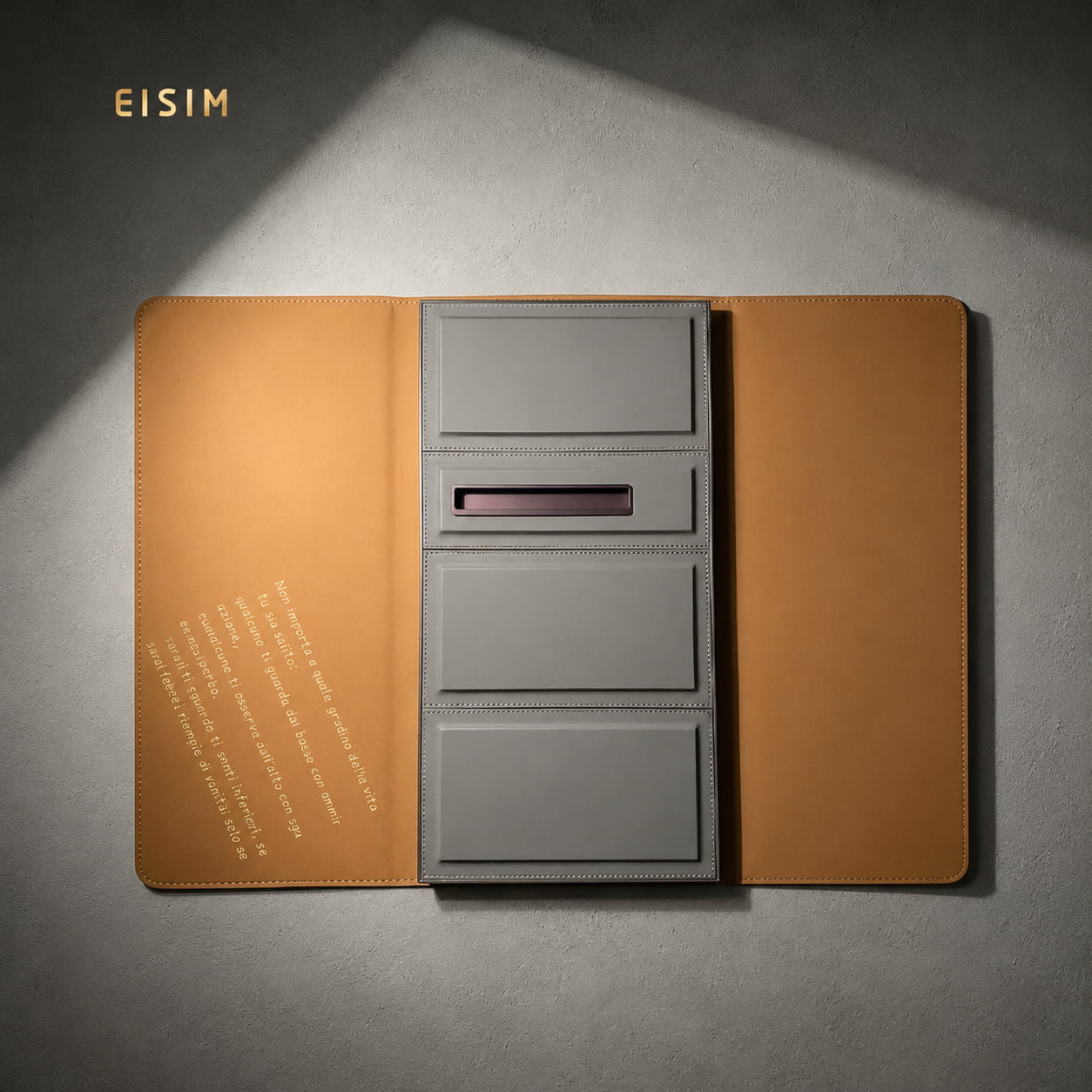
| Material Curation | Sustainable finish selection, hardware customization, texture coordination | Direct (Physical samples review) |
| Validation | Virtual reality walkthrough, functional prototyping, adjustment integration | Iterative (Feedback loops) |
This structured methodology ensures every custom modern luxury walk-in closet furniture solution balances aesthetic ambition with practical intelligence. Crucially, the validation phase—featuring VR walkthroughs and functional prototyping—reduces post-installation modification requests by 67%, according to internal data from three top-tier U.S. closet integrators. Each phase builds on client input, yielding outcomes that feel authentically bespoke—not merely assembled.
FAQ Section
Why are modern luxury walk-in closets popular in hotels and retail spaces?
Modern luxury walk-in closets are popular because they enhance guest experiences, improve operational efficiency, and drive higher revenue by increasing nightly rates, transaction values, and overall customer satisfaction.
What are the commercial benefits of installing modular walk-in closet systems?
Modular walk-in closet systems reduce installation time, minimize waste, and eliminate full demolition during renovations. They also offer guests convenient and flexible storage solutions while improving aesthetics and ROI.
How does sustainability factor into luxury closet design?
Sustainable closet designs incorporate carbon-neutral finishes, recycled materials, and precision engineering to reduce environmental impact while maintaining a premium aesthetic and functionality.
What is the significance of the 4-phase consultation protocol in luxury closet customization?
The 4-phase consultation protocol ensures personalized and efficient design processes involving discovery, spatial mapping, material curation, and validation. This reduces modification requests and enhances client satisfaction.