 EN
EN
Engineering Excellence: Ultra-Slim Profiles, Structural Integrity, and Span Performance
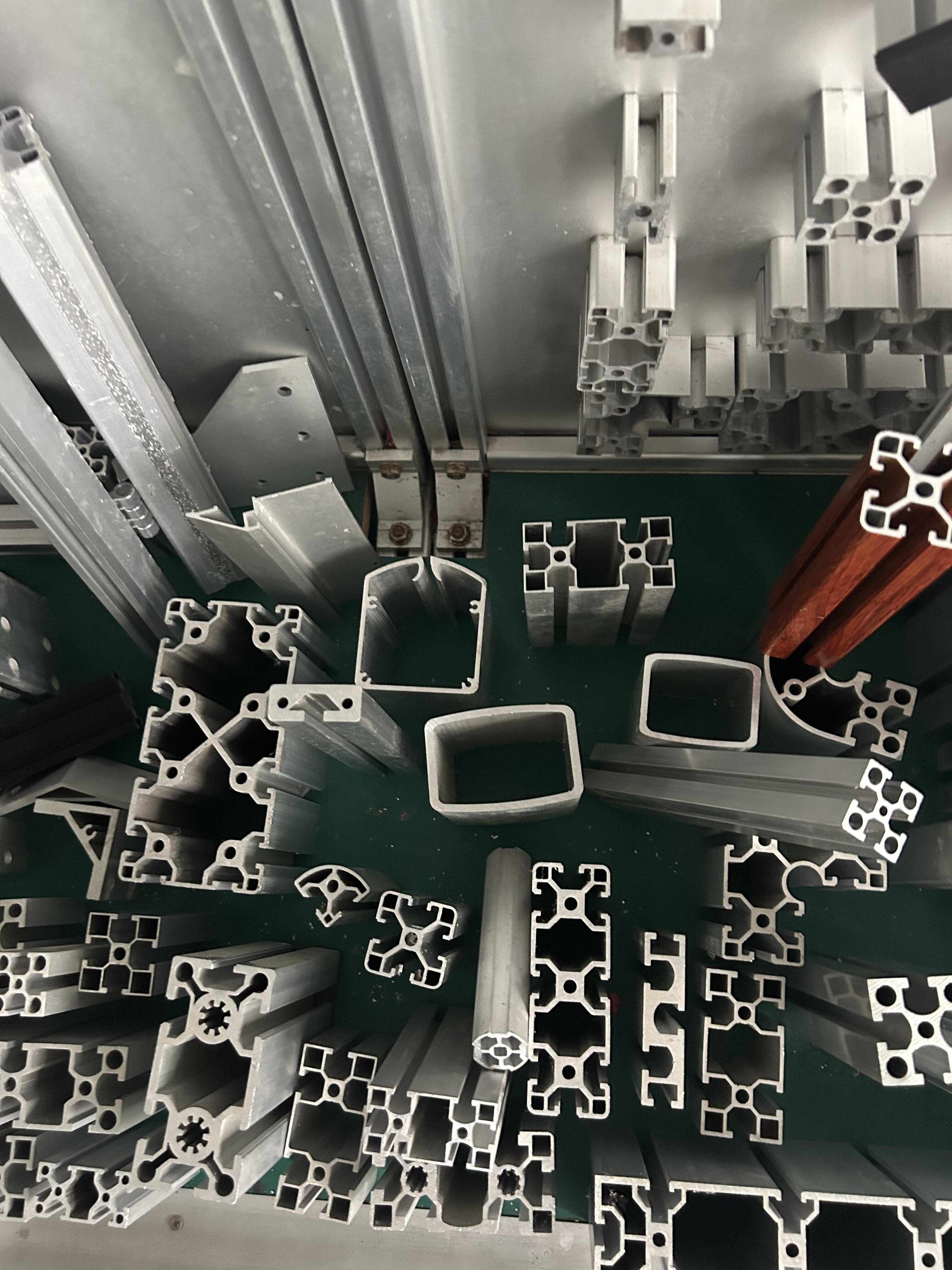
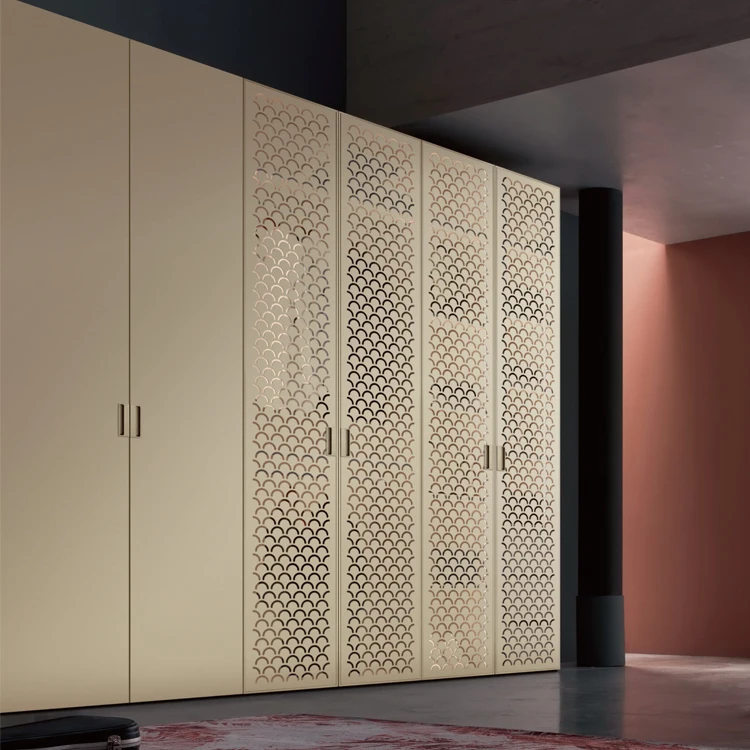
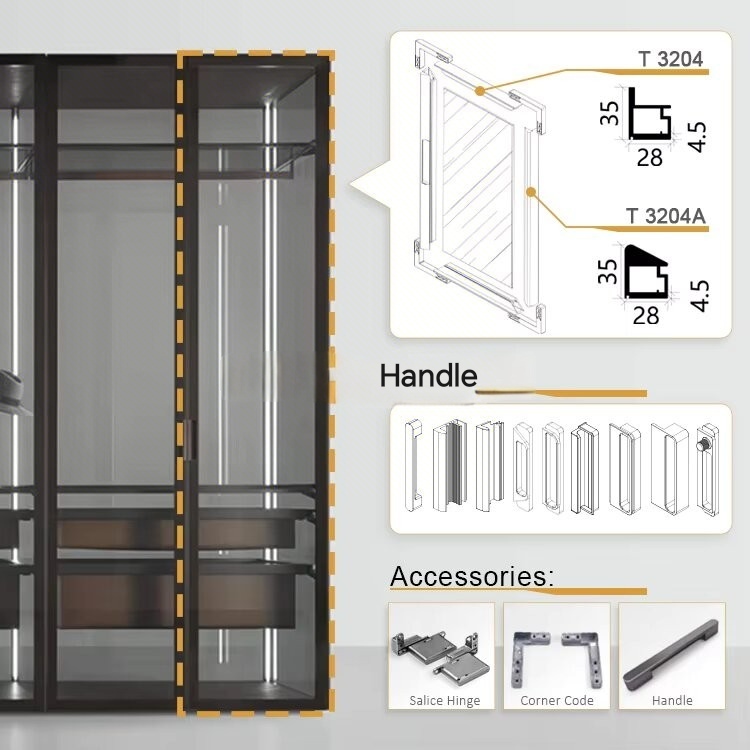
Aluminium wardrobe doors at the premium end reach remarkable structural performance thanks to sophisticated metalworking techniques. What makes this possible? Simply put, aluminium has about three times the strength compared to weight as steel does. This lets manufacturers create frames just 20 to 22mm thick that won't bend or bow even when carrying significant loads, giving us those sleek modern looks we all want without sacrificing toughness. The high quality alloys used get special heat treatment processes that boost their ability to withstand stress, so they stay stable whether holding up long mirrors or stacked with clothes. Real world tests back up these claims too. Doors spanning 3.2 meters show absolutely no drooping in upscale homes where temperatures stay tightly controlled within a degree either way. Another big plus for aluminium is how little it expands when heated (only 23 micrometers per meter per Kelvin). This means no warping issues even in humid climates. Independent studies have found that after five years on Mediterranean coastlines, these doors maintain their alignment with 98% accuracy. That's way better than wooden options which typically sag 3 to 5mm under similar conditions.
Precision Performance: Custom Sliding Systems with Soft-Close Reliability
Aluminium wardrobe doors at the premium end of the market work really well thanks to engineering that borrows from aerospace technology. These custom sliding systems get made with tolerances around ±0.3mm, which is pretty much the same level of accuracy as watchmakers achieve. This attention to detail means tracks stay aligned properly without any binding issues or wear from friction, even when used again and again. What makes these doors stand out? They have dual bearing stainless steel rollers that tests show can handle over 100,000 operations. These rollers spread the weight across hardened steel surfaces so heavy panels don't deform over time something that single bearing options often struggle with and end up jamming. There are also hydraulic dampers built in that slow down the doors to about 0.2 meters per second right before they close. Independent labs measured this reduces impact forces by roughly 92% compared to regular sliders, which helps protect door frames and makes everything last longer. When someone opens one of these doors, they notice how smooth it glides, stays completely quiet during movement, and feels just right in terms of control.
Finish Integrity & Material Intelligence: Anodizing, Coating, and Thermal Advantages
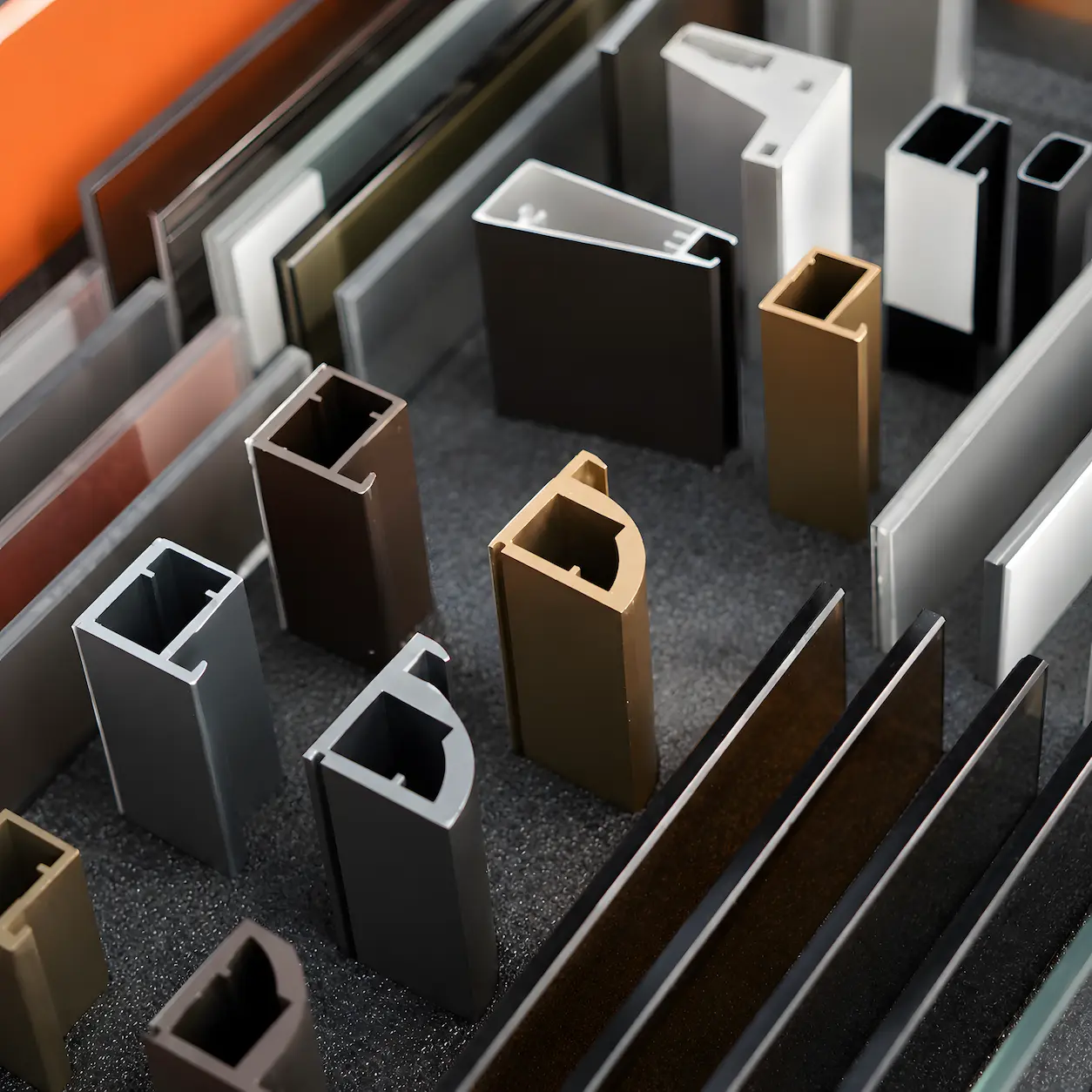
The anodizing process creates an oxide layer that bonds at the molecular level, which actually stands up better to corrosion than those polyester powder coatings we see everywhere. It keeps structures intact even when exposed to moisture and chemicals, no fading or flaking over time. According to the Industry Finishing Report from last year, this electrochemical method gives about 25% more protection against scratches compared to other coatings, which is why many manufacturers choose it for areas where people constantly touch surfaces like dressing rooms or public restrooms. Now, don't get me wrong, polyester powders do have their advantages too, especially when it comes to colors since they come in well over 200 different RAL shades. But here's the catch: these coatings start breaking down under sunlight after just 10 to 15 years and need replacing. When looking at long term value, though, anodized aluminum might cost more upfront but ends up cheaper overall because there's so little maintenance needed. Plus, it maintains that beautiful metal finish for decades without losing its luster.
| Finish Type | Corrosion Resistance | Color Stability | Lifetime Durability | Environmental Impact |
|---|---|---|---|---|
| Anodized Aluminium | Excellent | Permanent | 30+ years | Low VOC emissions |
| Polyester Coating | Good | 10–15 years | 12–18 years | Medium VOC impact |
The high thermal conductivity of aluminium (around 235 W/m·K) actually works in favor of climate controlled walk in wardrobes rather than against them. This property stops condensation from forming because it transfers heat quickly and evenly throughout the space, which keeps humidity levels steady at under 55% RH. That's important for protecting delicate fabrics and leather items from damage. When combined with good quality silicone seals, aluminium frames expand and contract consistently through all those seasonal temperature changes. This means no gaps form where air can escape like what happens with other materials over time. According to a recent 2023 HVAC study, rooms equipped with aluminium wardrobe doors had about 40 percent fewer problems with seals failing compared to wooden options. The research shows just how well material science meshes with proper environmental controls to eliminate thermal bridging issues while keeping seals intact for years and maintaining perfect door alignment even in upscale dressing areas.
FAQ
Why are aluminium wardrobe doors preferred over wood?
Aluminium wardrobe doors are preferred because they are stronger, more durable, and resistant to warping and sagging compared to wooden doors.
What advantages do anodized aluminium finishes offer?
Anodized aluminium finishes provide better corrosion resistance, permanent color stability, and longer lifetime durability compared to other coatings like polyester.
How do custom sliding systems enhance the performance of wardrobe doors?
Custom sliding systems enhance performance with accurate tolerances and dual bearing rollers, ensuring smooth operation without wear or deformation over time.