
 EN
EN
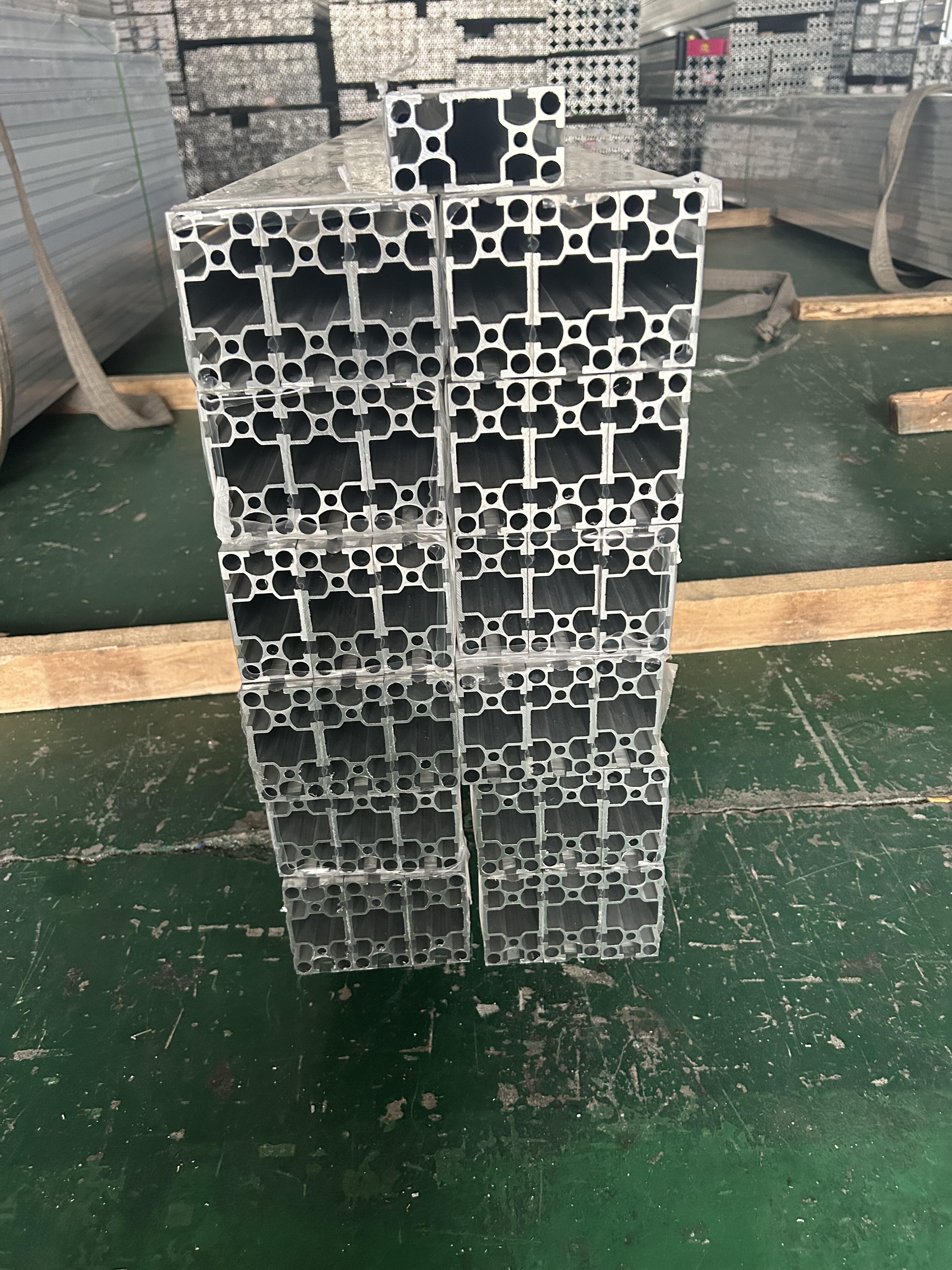
When standard profiles simply cannot meet the demands of a project, custom aluminum extrusions become the most reliable path forward. Designers, engineers, and manufacturers across industries rely on custom aluminum extrusions to achieve exact dimensional tolerances, complex geometries, and performance characteristics that off-the-shelf shapes cannot provide. Whether the application involves structural framing, decorative panels, or precision enclosures, custom aluminum extrusions offer a uniquely flexible manufacturing solution that adapts to the challenge rather than forcing the design to compromise.
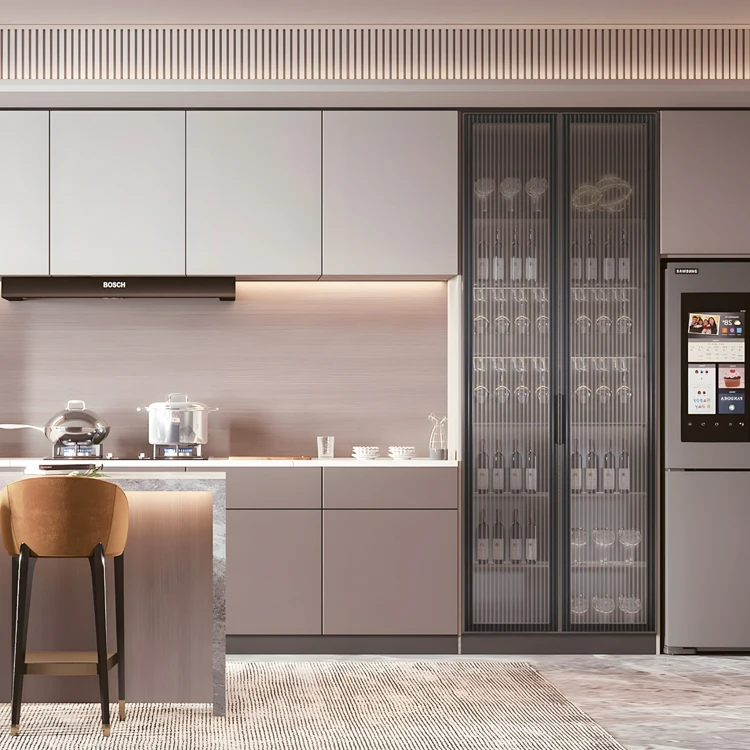
The value of custom aluminum extrusions extends well beyond dimensional flexibility. Custom aluminum extrusions allow teams to consolidate multiple components into a single profile, reducing assembly time, lowering material waste, and simplifying supply chains. For industries where precision and aesthetics must coexist, such as luxury furniture, architectural systems, and modular cabinetry, custom aluminum extrusions deliver a finished quality that stamped or rolled alternatives simply cannot match. Understanding how custom aluminum extrusions address unique challenges is essential for any project requiring a precision-engineered metal solution.
The Core Advantages of Custom Aluminum Extrusions
Design Freedom and Dimensional Precision
One of the defining strengths of custom aluminum extrusions is the ability to engineer a profile from the ground up. Unlike standard catalog shapes, custom aluminum extrusions are produced using tooling designed specifically for the project, meaning every flange thickness, channel depth, and corner radius is intentional. This design freedom allows engineers to optimize a profile for load-bearing efficiency, weight reduction, or aesthetic detail simultaneously. When a project demands a cross-section that integrates mounting slots, wire channels, and decorative faces in a single run, custom aluminum extrusions make that integration possible without secondary machining operations.
Dimensional precision is equally important in applications where fit and assembly tolerances are tight. Custom aluminum extrusions can be produced to exacting specifications, ensuring that mating components align correctly across long production runs. This consistency reduces rework, lowers rejection rates, and builds confidence in downstream assembly processes. For project teams working with modular systems or repeating design elements, the predictability of custom aluminum extrusions translates directly into production efficiency.
Material Performance and Surface Finishing
Aluminum alloys used in custom aluminum extrusions are selected based on the mechanical and environmental demands of the application. Alloys such as 6063 and 6061 are widely used in custom aluminum extrusions because they offer an excellent balance of extrudability, strength, corrosion resistance, and surface finish quality. The 6063-T5 and 6063-T6 temper designations, commonly specified for custom aluminum extrusions in architectural and decorative applications, indicate controlled aging treatments that optimize yield strength and hardness after the extrusion process.
Surface finishing further expands the capability of custom aluminum extrusions. Anodizing is among the most widely applied treatments, creating a hard oxide layer that improves corrosion resistance, increases surface hardness, and provides a consistent aesthetic appearance. Anodized custom aluminum extrusions are particularly valued in high-visibility applications such as window frames, door systems, and luxury cabinetry where both durability and visual refinement are required. The anodizing process also accepts coloring, allowing custom aluminum extrusions to be finished in a range of tones that complement design palettes without paint or powder coat adhesion concerns.
How Custom Aluminum Extrusions Address Industry-Specific Challenges
Architectural and Interior Design Applications
Architectural projects frequently generate profile requirements that no standard catalog can satisfy. custom aluminum extrusions used in modular frame systems for wine cabinet doors, room dividers, and display structures must balance visual minimalism with structural rigidity. A luxury minimalist design may demand ultra-thin visible edges combined with deep hidden reinforcement channels, a combination that is only achievable through purpose-built custom aluminum extrusions. In these settings, the profile geometry itself becomes part of the design language, communicating quality and intentionality through clean lines and precise proportions.
Interior designers and millwork fabricators working on high-end residential or hospitality projects increasingly specify custom aluminum extrusions because they enable consistent module sizing, reproducible assembly, and a finished look that elevates the entire installation. Custom aluminum extrusions in anodized finishes resist smudging, scratching, and oxidation in ways that painted wood or plastic alternatives cannot, making them a long-term investment in both appearance and durability.
Industrial and Modular System Engineering
In industrial environments, custom aluminum extrusions solve challenges related to load capacity, environmental exposure, and system reconfigurability. Modular framing systems built on custom aluminum extrusions allow production lines, equipment enclosures, and workstation frames to be reconfigured without replacing entire structural assemblies. Custom aluminum extrusions designed with integrated T-slots, snap-fit channels, or captive nut tracks reduce the need for welding and allow faster field modifications. This adaptability is a significant operational advantage in manufacturing facilities where layouts change frequently.
Custom aluminum extrusions also address thermal management challenges in electronics and lighting enclosures. By designing heat sink fins and mounting features directly into the extrusion profile, engineers eliminate separate heat sink assemblies and reduce the overall component count. Custom aluminum extrusions in these applications improve thermal performance while simultaneously reducing assembly complexity and product weight.
Selecting the Right Partner for Custom Aluminum Extrusions
Technical Collaboration and Tooling Investment
Successfully sourcing custom aluminum extrusions requires a manufacturing partner capable of both technical collaboration and precision tooling production. The die design phase is critical because errors in the tooling translate directly into profile defects that affect every piece in the run. An experienced supplier of custom aluminum extrusions will review the design intent, flag potential extrusion challenges such as thin walls or asymmetric sections, and recommend adjustments that improve extrudability without sacrificing function. This collaborative process protects tooling investment and shortens the path from design approval to production.
Lead time, minimum order quantities, and post-extrusion services such as cutting, drilling, and anodizing are practical factors that distinguish capable suppliers of custom aluminum extrusions from basic profile producers. A full-service supplier that handles custom aluminum extrusions from die production through finishing and packaging reduces logistics complexity and ensures consistent quality control across every stage of the process.
FAQ
What alloys are most commonly used in custom aluminum extrusions?
The most commonly used alloys in custom aluminum extrusions are 6063 and 6061. Alloy 6063 is preferred for architectural and decorative custom aluminum extrusions due to its superior surface finish quality and anodizing response. Alloy 6061 is chosen when higher mechanical strength is needed in structural custom aluminum extrusions.
How does anodizing benefit custom aluminum extrusions in decorative applications?
Anodizing creates a durable oxide layer on the surface of custom aluminum extrusions, improving corrosion resistance, surface hardness, and aesthetic consistency. For decorative applications like cabinet frames and architectural panels, anodized custom aluminum extrusions maintain their appearance over time and can be produced in a range of colors and finishes.
What is the typical minimum order quantity for custom aluminum extrusions?
Minimum order quantities for custom aluminum extrusions vary depending on the profile complexity, tooling costs, and supplier capabilities. Many suppliers of custom aluminum extrusions require a minimum run sufficient to recover die investment, which is often negotiated based on the project scope, profile size, and finishing requirements specified for the custom aluminum extrusions order.