 EN
EN
Core Design Principles of a Modern Walk-In Wardrobe
Balancing Aesthetic Sophistication with Human-Centered Functionality
Luxury walk-in wardrobes these days are about much more than just storing clothes. They blend style with smart functionality in ways that feel genuinely useful. Think adjustable shelves that let people swap out seasonal stuff without making everything look cluttered. Those tall mirrors on the walls do double duty - reflecting light throughout the room while also acting as handy spots to check outfits before heading out. Some designers even include special areas for accessories, like soft lined drawers next to open spaces for bags and shoes. These little touches cut down on the stress of getting ready each morning. When someone walks into their wardrobe, they're not just opening a door to storage space but stepping into a carefully crafted environment that makes getting dressed feel less like a chore and more like part of their daily ritual.
Proportion, Scale, and Architectural Detailing for Premium Impact
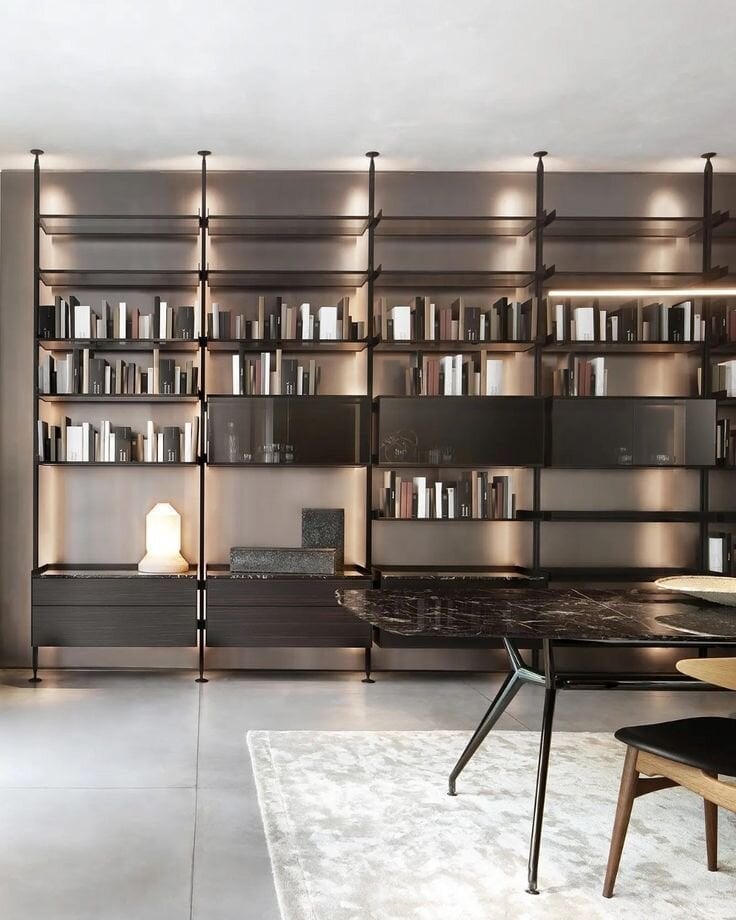
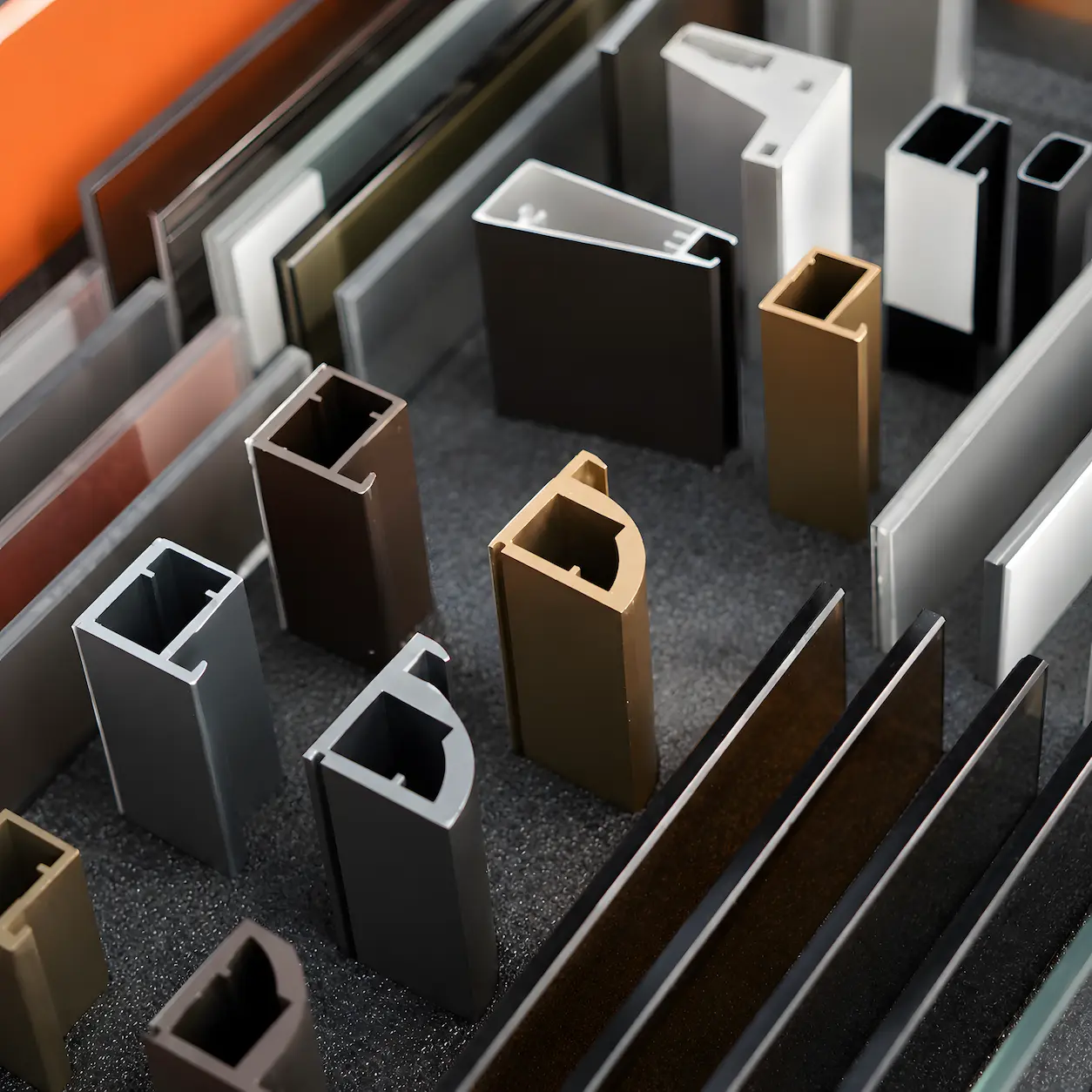
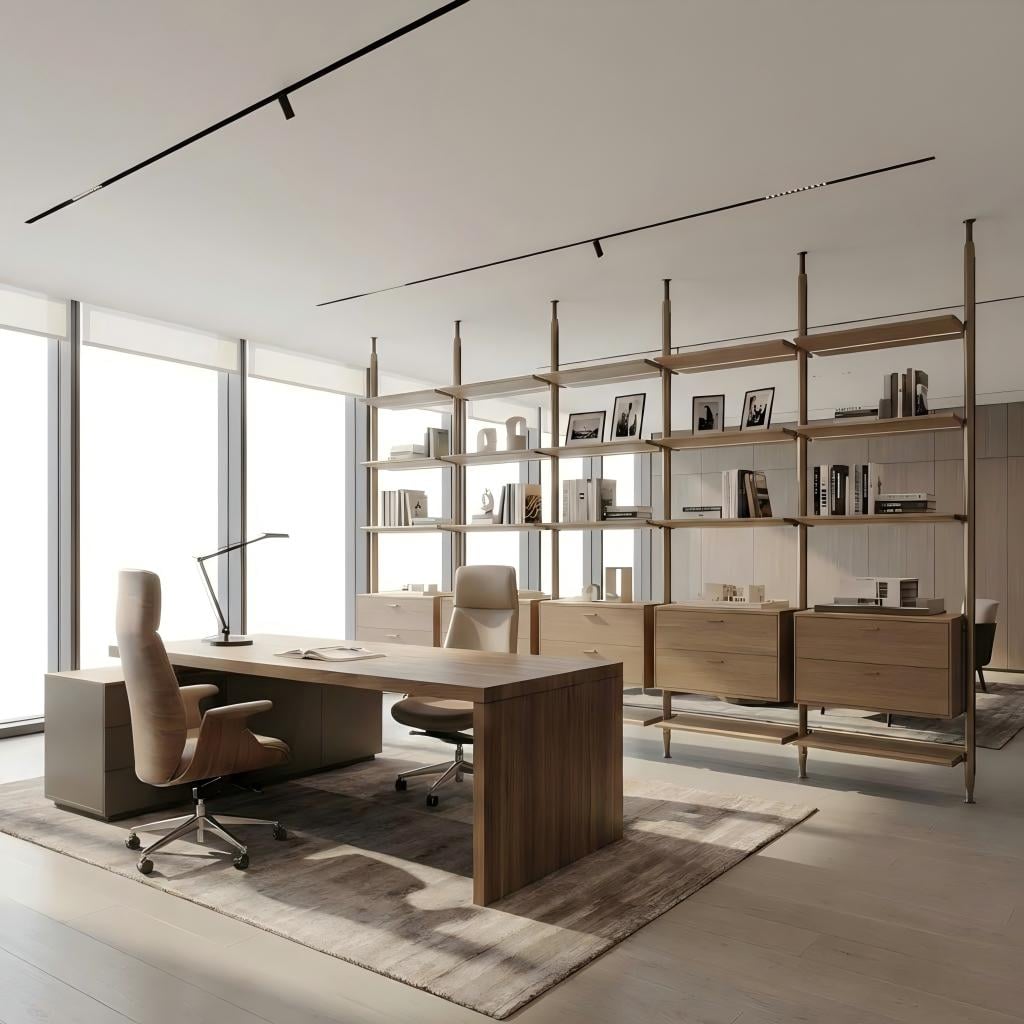
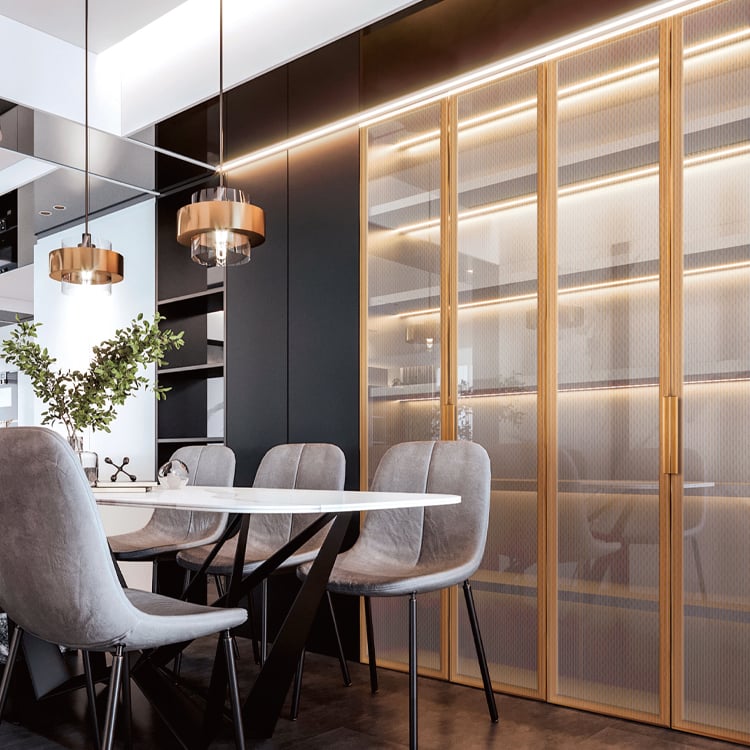
How space is arranged makes all the difference when it comes to creating a luxurious walk-in wardrobe experience. Tall cabinets reaching at least 2.4 meters create a sense of openness from floor to ceiling, while leaving around 90 centimeters between shelves gives enough room to move around comfortably without feeling cramped. Adding architectural elements such as soft lighting behind cabinets, textured wooden panels with grooves, or decorative metal accents along edges brings life to what would otherwise be just walls and shelves. For smaller rooms, arranging cabinets in a shallow U-shape helps make better use of those tricky corners. Bigger spaces can handle something extra special like an island centerpiece covered in matching pieces of marble. These thoughtful design choices keep things looking neat and organized, so fancy materials like frosted glass doors or aged oak finishes stand out naturally rather than overwhelming the eye.
Premium Materials and Finishes That Elevate the Modern Walk-In Wardrobe
Timeless Natural Elements: Walnut, Marble, Leather, and Smoked Glass
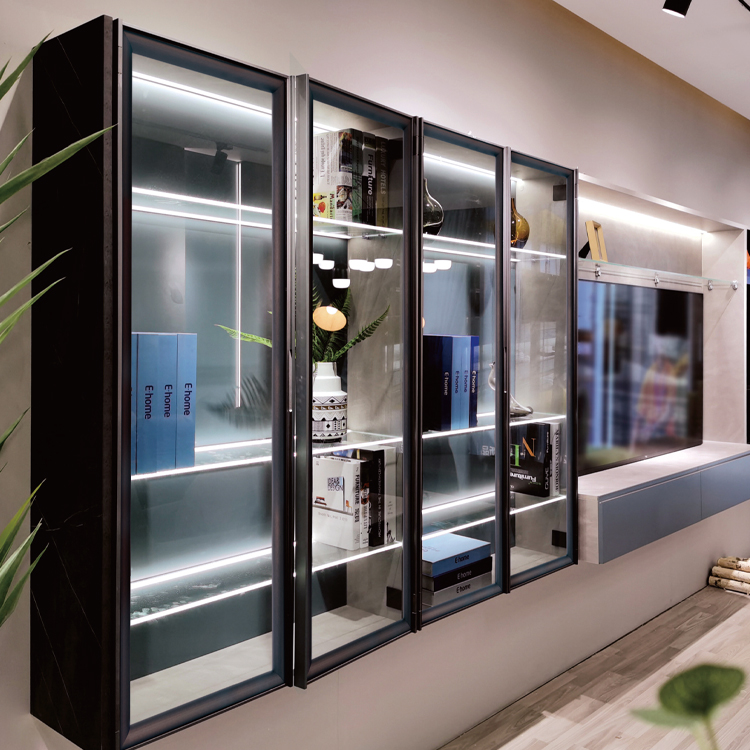
Walnut cabinets bring lasting beauty thanks to their rich, varied grain patterns. The wood's natural density means they won't warp easily, so they stay looking good for years. Marble surfaces or wall accents add a touch of real luxury with those unique vein patterns, plus they help keep temperatures stable in the room. Leather trim on drawers and seats gets better with age, developing character that fake stuff just can't match when it comes to standing up to wear and tear. Those smoked glass panels let light through while hiding all the mess inside, making the whole space feel bigger than it actually is. When put together, these natural elements create something special both visually and practically, turning even busy storage areas into spaces that feel solid, comfortable, and worth coming back to again and again.
Innovative Surfaces: High-Gloss Lacquer, Textured Wallpapers, and Lucite Accents
The high gloss on lacquer really makes surfaces pop with reflected light, which can brighten up small spaces naturally. Plus it doesn't show fingerprints or water marks as much, something that matters a lot in places where humidity is always an issue. For walls behind furniture, textured paper with metal bits woven through or those embossed designs work wonders. They give depth to flat surfaces and hide scratches where people tend to bump into things regularly. Clear plastic hardware and shelves create this airy feel, letting clothes look like they're suspended mid air rather than hanging there. The view stays open even in tight corners because nothing blocks the line of sight. Combining different materials creates interesting contrasts too. Think matte wood next to shiny lacquer or rough stone sitting alongside delicate clear plastic pieces. These combinations make for striking interior looks that still perform well in everyday living situations beyond just looking good on camera.
Smart Spatial Planning for the Modern Walk-In Wardrobe
Optimizing Layouts: L-Shaped, U-Shaped, and Compact Configurations
Good spatial planning starts by matching the layout to how big the room is and what people actually need from it. L-shaped arrangements work great because they make good use of those awkward corners, giving two walls for storage but still keeping the middle area clear so folks can move around comfortably. For bigger spaces, U-shapes are fantastic since they provide three walls worth of storage space. These setups really come into their own when creating proper dressing areas with separate spots for hanging clothes, folding stuff, and storing accessories. When dealing with smaller rooms, going vertical makes all the difference. Use things like sliding doors or pocket doors instead of regular ones to save precious floor space. Most designers suggest leaving at least 90cm (about 36 inches) between furniture and walls so nobody bumps into anything. Keep the stuff we use every day where we can grab it easily, and put seasonal items up high where they won't get in the way. Adding multiple levels of shelves and maybe some rotating racks helps maximize storage capacity without making the space feel cluttered or cramped.
Integrated Technology and Intelligent Storage in the Modern Walk-In Wardrobe
Multi-Functional Zones: Closet Islands, Pull-Out Racks, and Vanity Integration
Today's high-end walk-in closets are designed with smart space planning that really makes daily life easier. These closet islands serve as the heart of the wardrobe area where people can fold clothes, pick out accessories, or even sit down while getting ready. The pull-out racks specifically made for storing ties, scarves, and belts make finding things so much better than regular rods stuck in place somewhere. Some studies suggest these movable storage solutions can boost accessibility by around 40%. Many modern designs now include built-in vanities that combine makeup application with getting dressed. These vanity areas often have secret spots for keeping jewelry safe and makeup organized all while maintaining those sleek, minimalist looks most homeowners want. When everything is arranged this way, mornings become less stressful because selecting an outfit, doing hair and makeup, and final touches all happen in one convenient spot instead of running between different rooms.
Essential Luxury Tech: Climate Control, Tunable LED Lighting, and Smart Mirrors
Modern tech helps keep expensive clothes looking good while making getting dressed easier too. When fabrics like silk, cashmere or quality leather are stored in controlled humidity spaces, they last much longer without falling apart. Studies show this can cut down on fabric damage by around two thirds compared to regular storage methods. The LED lighting system is pretty smart stuff really. It changes color temperature throughout the day - starting bright white at morning time when checking out outfits, then shifting to warmer light in the evenings for putting together looks before heading out. These smart mirrors aren't just fancy glass either. They actually suggest what goes well together based on what's hanging there and track which items get worn most often. All these features work together to create storage spaces that adjust themselves according to what someone likes best at any given moment.
FAQs
What are some key design principles for a modern walk-in wardrobe?
Key design principles include balancing aesthetic sophistication with functionality, ensuring optimal proportion and scale, using premium materials, and incorporating intelligent storage solutions.
How can space be maximized in a smaller walk-in wardrobe?
In smaller spaces, use vertical layouts, sliding or pocket doors, and multiple shelf levels. Consider L-shaped configurations to utilize corner space effectively.
What materials are recommended for a luxury walk-in wardrobe?
Recommended materials include walnut, marble, leather, smoked glass, high-gloss lacquer, and textured wallpapers.
How does technology enhance a modern walk-in wardrobe?
Technology enhances wardrobes through smart mirrors, climate control, tunable LED lighting, and integrated storage solutions like closet islands and pull-out racks.
What are some aesthetic choices to consider for a luxurious look?
Consider using a combination of matte and high-gloss finishes, adding textured wallpapers, and incorporating luxurious materials like marble and leather.