 EN
EN
What Defines a Modern Minimalist Bookcase in 2026 Luxury Interiors
Warm Minimalism vs. Sterile Simplicity: Why Material Warmth and Human-Scale Proportions Now Define Luxury
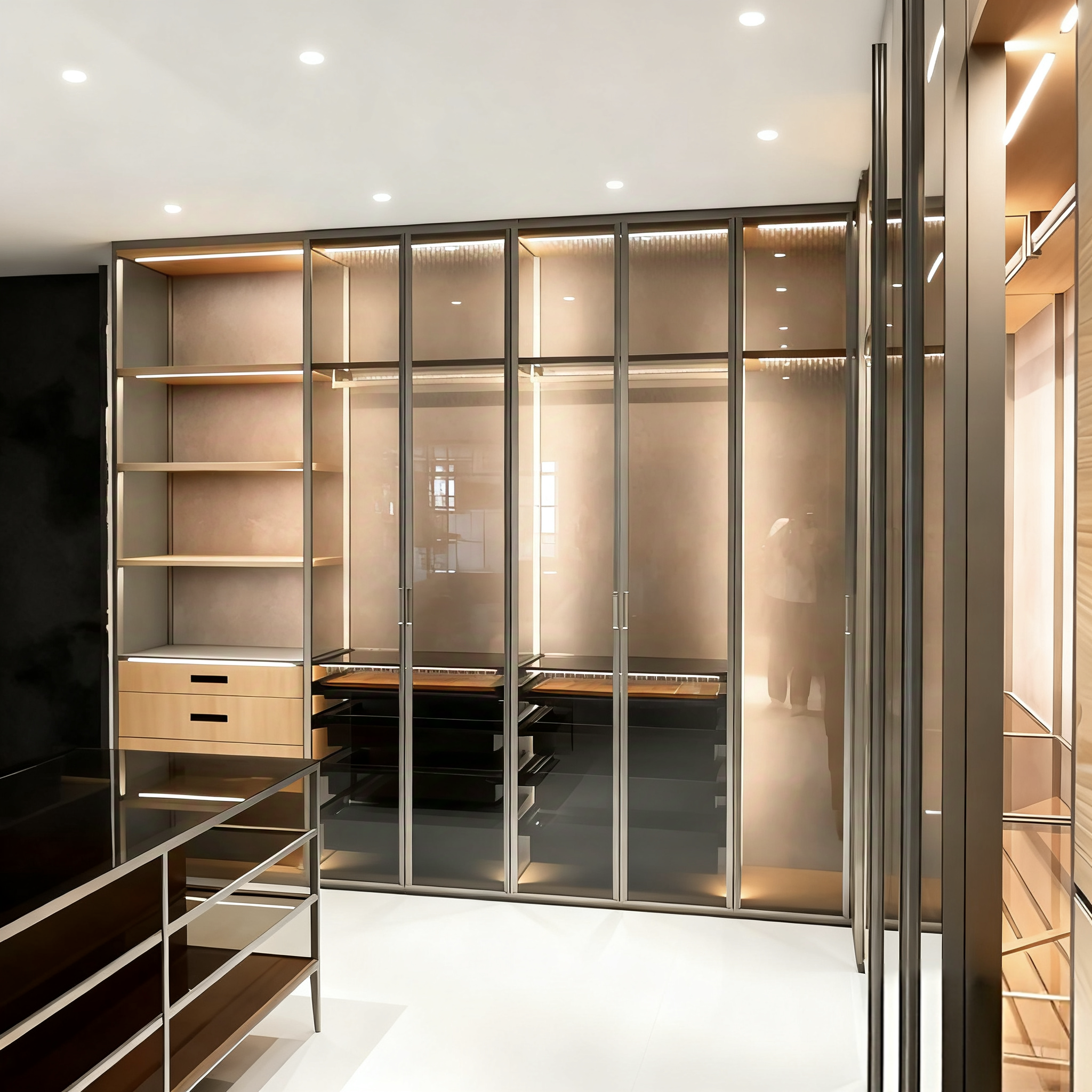
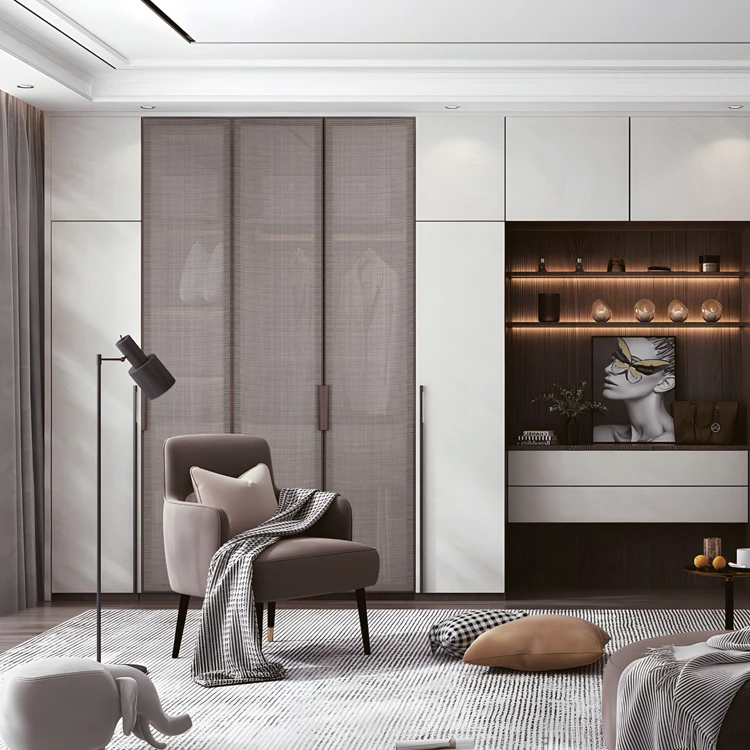
Luxury bookcases from 2026 are moving away from that cold, minimalist look we've seen everywhere lately. Instead they're getting warmer materials and sizes that actually work for real people. Think fumed oak veneers and those nice bronze frames that feel good to touch. The dimensions have been thought through so these pieces don't dominate rooms but fit right in. This trend makes sense when looking at recent research from the Global Wellness Institute back in 2023 showing most wealthy homeowners want their stuff to connect emotionally rather than just look impressive. Designers are focusing on small touches that matter. A simple hand finished plaster detail can say more than all sorts of decorations stacked together. Shelf depths aren't just about holding books anymore either. They're made to display art pieces, maybe some pottery collection, even everyday items that make sense in daily life. What really counts as luxury these days? It's about having things around that show personality and get used, not sitting there collecting dust.
The Core Principles: Intentional Negative Space, Structural Honesty, and Seamless Integration
Three interlocking principles define the modern minimalist bookcase in 2026: intentional negative space, structural honesty, and seamless integration. Together, they elevate function into quiet authority.
- Intentional negative space (30–40% of total surface area) acts as visual punctuation—framing objects rather than filling voids. It reduces cognitive load and directs attention with precision.
- Structural honesty celebrates construction as design: exposed dovetail joints, unpainted steel brackets, or visible grain alignment aren’t hidden—they’re highlighted as evidence of craft and integrity.
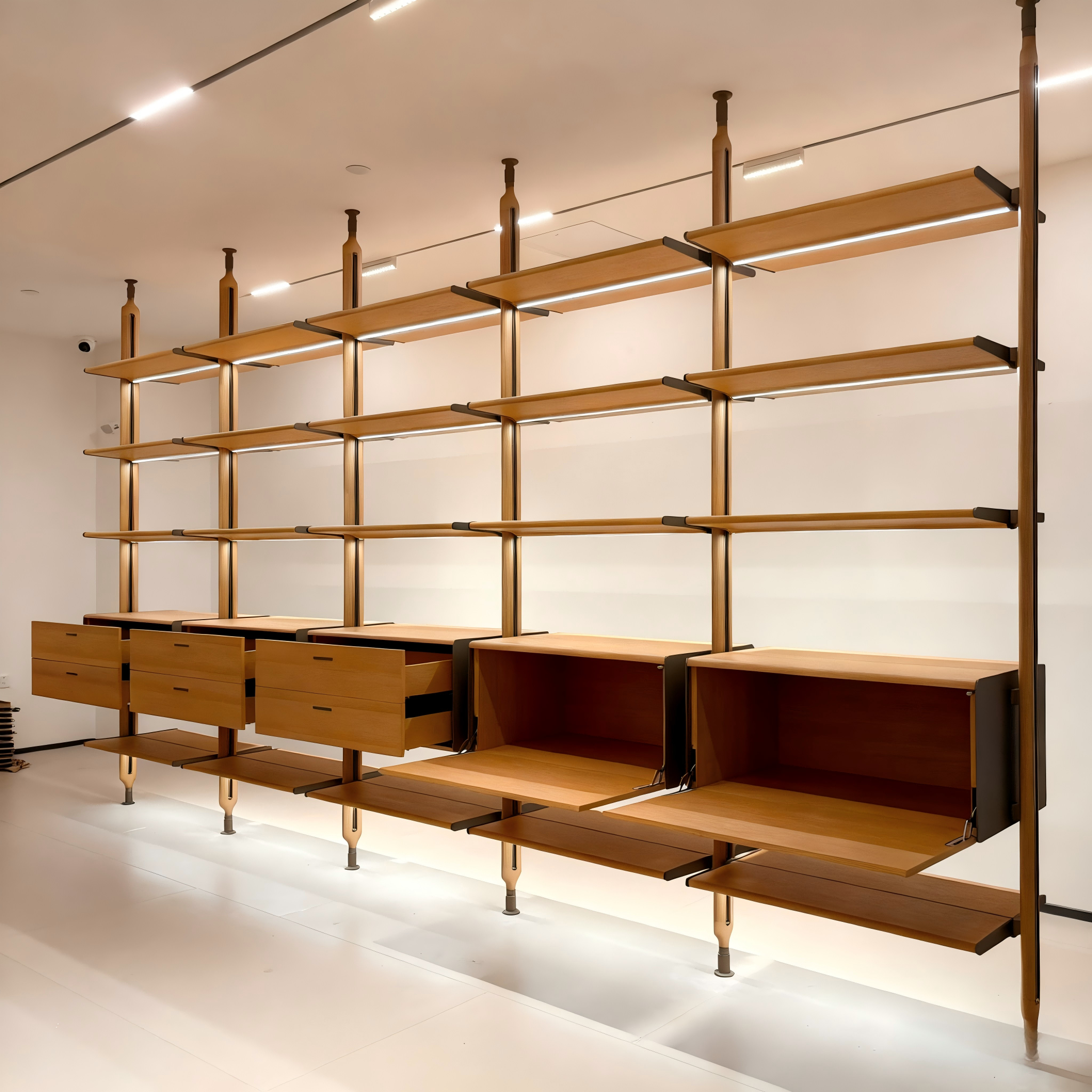
- Seamless integration blurs boundaries between furniture and architecture—floating modules mirror wall planes, recessed LED lighting eliminates visual seams, and flush-mounted profiles dissolve the line between built-in and freestanding.
This trifecta transforms storage into gallery-like installations where emptiness is compositional, structure is expressive, and presence is architectural.
Layout Strategies for a Modern Minimalist Bookcase That Elevates Living Spaces
Asymmetric Floating Modules with Integrated LED Accents: Function Meets Gallery Aesthetic
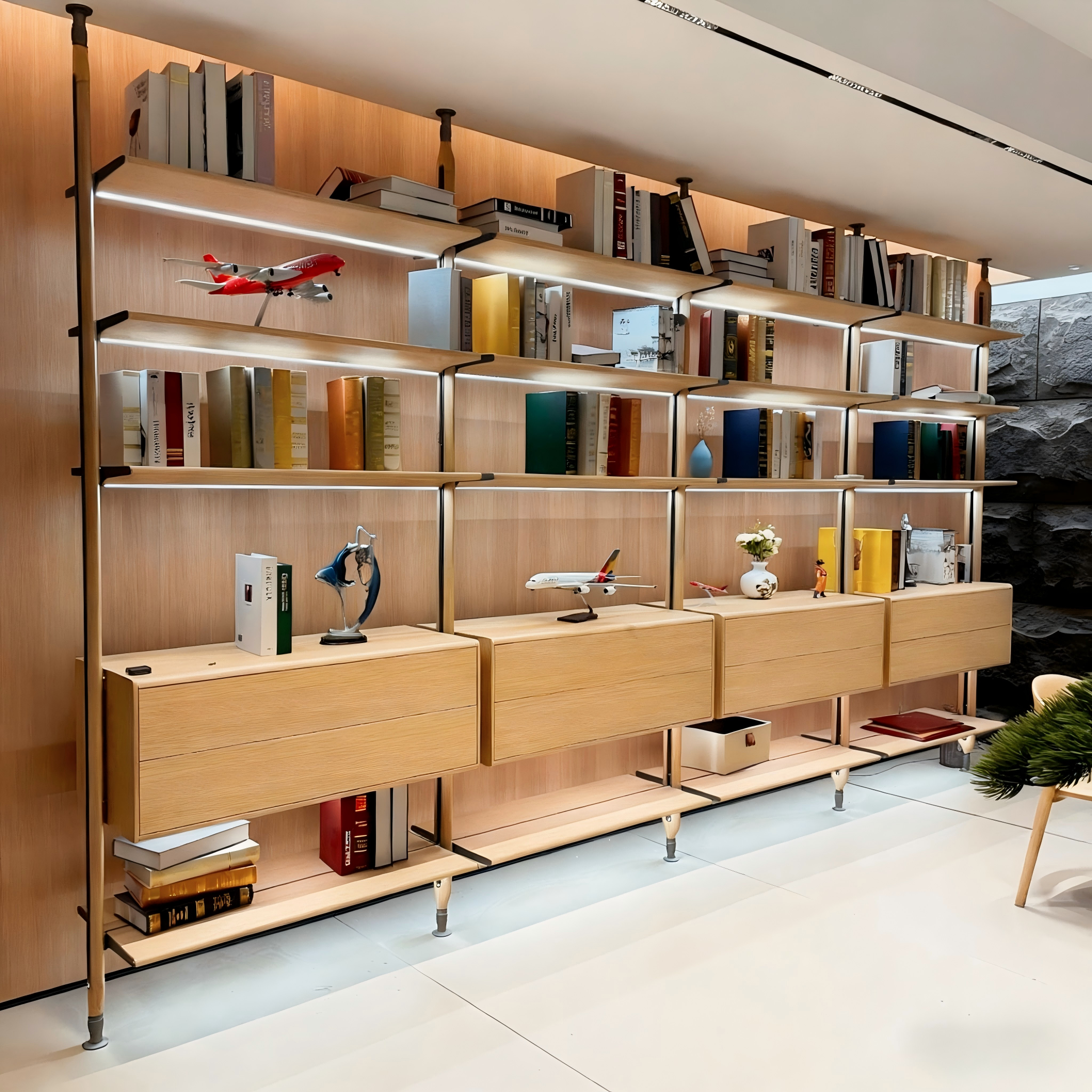
The asymmetric floating modules defining 2026's minimalist style create rhythm through intentional imbalance rather than perfect symmetry. Cantilevered shelves play with visual balance by leaving strategic gaps in the design. The built-in LED lights do double duty - they illuminate carefully chosen items like art books and handcrafted ceramics while also creating a warm glow that makes wood grains and stone surfaces stand out. These lights are cleverly tucked under shelf edges or hidden within support structures so they don't disrupt the sleek look but still add layers of depth. When placed in open living spaces, these staggered wall units naturally separate different areas without walls or partitions. A reading corner here, an art display there, even pathways between rooms all get defined just by how the modules are arranged. To really make them pop, position the edges of these floating units to line up with existing architectural elements such as window frames or ceiling beams. This alignment creates harmony throughout the space and visually lifts the room, making it feel bigger than it actually is.
The 60-30-10 Curation Rule: Balancing Books, Objects, and Breathing Space for Visual Harmony
The 60-30-10 approach works wonders for arranging shelves: most space goes to books either stacked upright or lying flat, then some interesting sculptures or special items take up around a third of the area, leaving about 10% empty spots here and there. These gaps actually help create a sense of peace on the eye, acting like little pockets of air where things like smoked oak wood or polished bronze can really stand out without getting lost among other stuff. When organizing books, think less about exact colors and more about how warm or cool they look next to each other (like putting those soft grey tones next to richer orangey shades). Place standout pieces where eyes naturally fall when looking across the shelf. Mix up heights so it doesn't all feel samey; maybe include something tall and slender or wide and chunky to give structure. For smaller rooms, cut down on decorative items to maybe 20%, but keep those empty spaces intact since good balance counts more than sticking strictly to numbers. According to a study published last year in Interior Psychology Journal, people report feeling 40% less tired looking at these carefully arranged displays versus cluttered ones. So what does this mean? Less is definitely more sometimes, but it's not just about having nothing there. It's about making deliberate choices that speak volumes through their simplicity.
Material Innovation Driving the 2026 Modern Minimalist Bookcase Evolution
Textured Natural Finishes: Brushed Bronze Frames, Fumed Oak Veneers, and Tadelakt-Inspired Plaster Accents
The 2026 modern minimalist bookcase stands out thanks to innovative materials that combine real tactile experiences with serious sustainability. The brushed bronze frames have a warm, matte finish that doesn't show fingerprints and actually gets better looking as it develops a natural patina over years of use. For the wood surfaces, fumed oak veneers go through a special process involving ammonia treatment which brings out deeper grain patterns while maintaining an organic feel without overwhelming the eye. Some areas feature plaster accents inspired by traditional Moroccan Tadelakt techniques these were applied by hand, then polished and sealed to resist moisture. What makes these finishes special is how they embrace variation instead of hiding it small differences in color between bronze pieces, unique grain patterns in each oak section, or slight texture changes in the plaster aren't considered defects at all but rather proof of genuine craftsmanship. According to recent industry data showing that around four out of five luxury designers are now going for low-VOC finishes, this bookcase represents more than just good looks it embodies a commitment to healthier environments while still serving as something that could be passed down through generations.
Real-World Application: A Milan Penthouse Case Study in Modern Minimalist Bookcase Design
A newly renovated penthouse in Milan shows off what happens when good design principles come together in real life. The designers used floating shelves arranged asymmetrically with hidden LED lights running along them. This creates movement throughout the space while leaving about a third of the walls empty. They stuck pretty closely to the 60-30-10 rule for arranging things: black books line up neatly on each shelf, colorful terracotta pots sit next to handmade ceramic pieces, and even the empty spaces between objects feel intentional. For materials, they went with fumed oak wood finishes and bronze frames that look nice now but will develop character as they get older. Some folks did tests after everything was installed last year and said people felt the room looked 27% bigger than before. That makes sense because smart minimalism doesn't just save space, it changes how we experience a room. What stands out most is this amazing bookcase that works great for storage but also looks like art. Every single thing there has a reason for being there, and nothing feels unnecessary.
Frequently Asked Questions
What are the core principles behind modern minimalist bookcases?
The core principles include intentional negative space, structural honesty, and seamless integration, which together transform storage into gallery-like installations.
How do textured natural finishes contribute to the design?
Textured natural finishes like brushed bronze frames, fumed oak veneers, and Tadelakt-inspired plaster accents offer tactile experiences with sustainability and highlight genuine craftsmanship.
What is the 60-30-10 curation rule?
The 60-30-10 rule guides the arrangement of shelves by allocating 60% space to books, 30% to objects, and leaving 10% as breathing space for visual harmony.